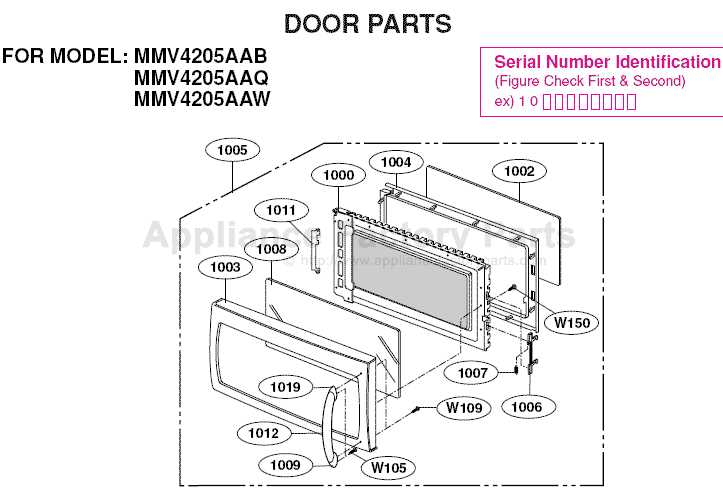
If your cooking appliance is showing signs of wear or malfunction, pinpointing the exact issue is half the battle. Detailed visual guides highlighting the components of your appliance can significantly simplify the repair process. By referring to a well-drawn schematic, you can easily identify individual elements like burners, knobs, and wiring setups. This direct approach allows for faster identification of faulty components, reducing troubleshooting time and preventing unnecessary replacements.
Knowing the names and locations of specific internal mechanisms allows you to quickly access the parts in question. Whether it’s a malfunctioning ignition or a faulty control switch, understanding where each component sits within the overall structure is vital for successful repairs. Each section of your cooking appliance plays a key role, and understanding their functions ensures that repairs target the right areas.
When approaching a repair, always begin by isolating the appliance from power sources. This precaution prevents accidents and ensures a safer working environment. Once disassembled, identify which part has failed and cross-reference it with the corresponding visual schematic. These diagrams typically display all relevant parts in a simplified layout, which can speed up the identification process.
Whether it’s a minor adjustment or a full replacement, detailed diagrams serve as an invaluable tool in making informed decisions. With the correct schematic, you can proceed with confidence, knowing exactly where to focus your efforts for the best results.
Identifying Key Components of a Range Assembly

Refer to the schematic to locate the burner assembly, including the burners and ignition components. Each burner is connected to a gas valve that controls the flow. Ensure the wiring is intact and properly connected to the control board for smooth operation.
The main control knobs and switches are typically situated at the front. These are connected to the internal circuitry that regulates temperature settings. Check for signs of wear or damage on these parts, as they can impact performance.
The oven cavity includes the heating elements, which are crucial for even heat distribution. Inspect the bake and broil elements for any breaks or burns. For more precision, confirm that the thermostat is working correctly to maintain the set temperature.
The door hinges and seals play a role in heat retention. Examine the gasket for cracks or wear. If the door does not close tightly, this could indicate a problem with the hinges or the door’s alignment. A loose or damaged door seal will cause heat loss, affecting cooking efficiency.
Check the igniter and safety valve connections carefully. A malfunctioning igniter could prevent the burner from lighting, while a faulty safety valve can result in gas leakage, which is dangerous. These components should be inspected regularly to ensure safety and proper functionality.
Identifying Key Components of a Maytag Stove
Regularly inspect the following elements to ensure proper functioning:
- Burner Elements: Look for cracks, discoloration, or uneven heating. If any element is malfunctioning, replace it to maintain consistent heat distribution.
- Control Knobs: Check for smooth operation and easy adjustment. Replace any knobs that are stiff, broken, or unresponsive.
- Ignition System: For gas models, confirm that the igniter sparks reliably. If the burner fails to light or the spark is weak, clean or replace the igniter.
- Oven Thermostat: Test the temperature accuracy with a thermometer. If there is a significant discrepancy, recalibrate or replace the thermostat to ensure precise cooking temperatures.
- Oven Heating Elements: Examine for visible cracks or burns. If the element is damaged, replace it to ensure even heat distribution during cooking.
- Oven Door Seal: Inspect for wear or damage. A compromised seal can result in heat loss, reducing cooking efficiency and increasing energy consumption.
- Range Hood: Clean the filters and check the ductwork for blockages. Proper ventilation is needed to clear smoke, steam, and odors from the kitchen.
- Gas Valve: Check for consistent flame output. If the flame is weak or uneven, the gas valve may be faulty and need replacement.
Regular checks and timely replacement of these components will help maintain optimal performance and extend the lifespan of your appliance.
How to Read and Interpret a Maytag Stove Parts Diagram
To properly understand the illustration of the appliance components, begin by locating the key legend or reference list, typically found on the corner or bottom of the image. This will clarify which numbers correspond to specific items.
Next, identify the major sections of the visual layout, often divided into zones like the burner area, control panel, and internal mechanisms. Each section will contain numbered or labeled elements, which indicate specific parts, such as burners, knobs, or heating elements.
Pay attention to the part names or codes associated with each number. These identifiers help in distinguishing between similar-looking elements and ensure you order the correct replacement part. The part names might include terms such as “coil,” “element,” or “grate,” and will often appear next to their corresponding numbers.
If you’re troubleshooting, focus on areas that are relevant to the issue at hand. For example, if there’s a problem with temperature regulation, you should closely examine the heating elements, thermostats, and any connected wiring, which will be represented in clear proximity to one another in the visual.
Additionally, review any arrows or lines connecting certain parts. These typically indicate the flow of electricity or gas, giving a clearer idea of how components interact. This is particularly useful when diagnosing performance issues related to electrical connections or gas flow.
Lastly, consult the accompanying instruction manual or parts guide for more detailed descriptions. These resources will often provide additional context for each part’s function and may suggest compatible replacements or upgrades.
Common Components That May Need Replacing
The heating element is one of the most common components that requires replacement. Over time, it can wear out due to frequent usage and exposure to high temperatures. If the heating element appears cracked, broken, or does not heat evenly, it should be replaced.
Another frequent issue is with the ignition switch. If the burners are not lighting properly, the ignition switch may be malfunctioning. A faulty switch can result in sparking issues or failure to ignite, which can be easily replaced with a new one to restore proper function.
The burner knobs can also become worn or broken. These knobs can degrade over time, especially with constant turning, causing them to lose grip or break completely. Replacing the knobs is straightforward and can prevent inconvenience when adjusting heat levels.
The thermostat is another component that can cause problems if not working properly. If the temperature regulation is inaccurate, it can result in uneven cooking. A malfunctioning thermostat should be replaced to ensure proper temperature control for consistent cooking results.
Burner grates often suffer from wear and tear. They can rust or get damaged, especially after prolonged exposure to heat. Replacing rusted or broken grates will maintain the surface for cooking and keep the appliance looking good.
Over time, the oven door seal can become brittle or cracked. A compromised seal leads to heat loss, making cooking less efficient. Replacing the door seal ensures heat retention and reduces energy consumption.
| Component | Signs of Damage | Solution |
|---|---|---|
| Heating Element | Cracks, broken sections, uneven heating | Replace with a new one |
| Ignition Switch | Failure to spark, inconsistent lighting | Replace the ignition switch |
| Burner Knobs | Loss of grip, broken knobs | Replace knobs with new ones |
| Thermostat | Inaccurate temperature readings | Replace thermostat to restore temperature control |
| Burner Grates | Rust, cracks, or damage | Replace with new grates |
| Oven Door Seal | Brittle, cracked, or missing parts | Install a new door seal |