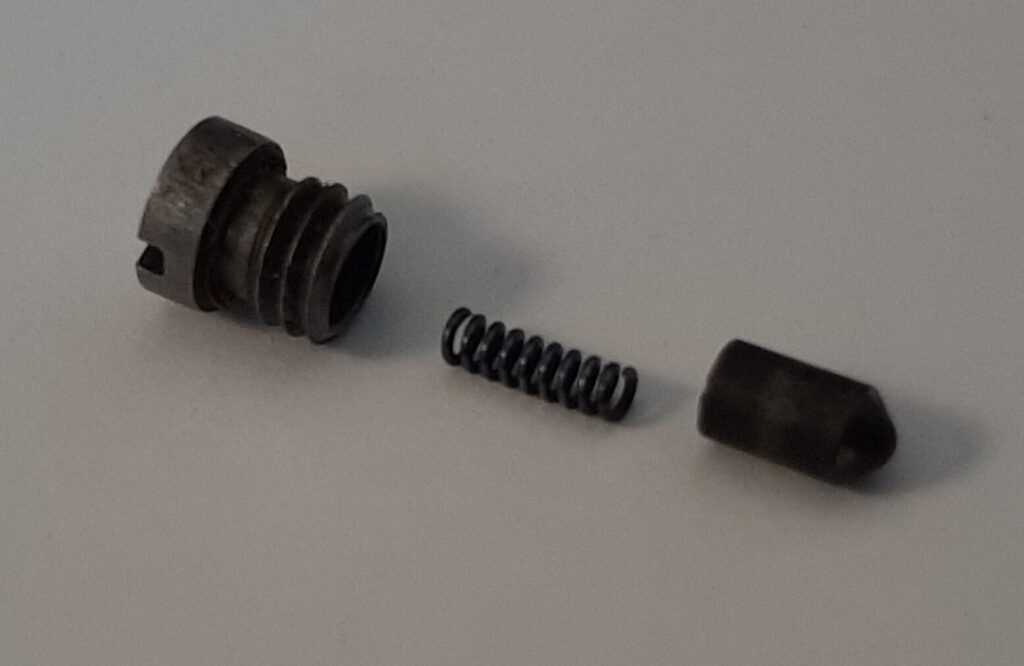
Before beginning any maintenance or repair work on your revolver, it’s important to have a clear view of its components and how they fit together. The key parts like the cylinder, trigger assembly, and frame are the core elements that ensure smooth operation. Having a reference to these pieces will make it easier to identify potential issues and replace worn-out components efficiently.
The cylinder, which houses the ammunition, needs to be properly aligned with the barrel for safe and accurate firing. Inspecting the ejector rod, which helps in removing spent casings, is also crucial. Ensure that the rod moves freely and does not show signs of wear or damage that might cause malfunction during operation.
Additionally, the trigger assembly, which includes the hammer, sear, and trigger, must be checked regularly for smooth movement. A misaligned trigger can lead to failure in firing. It’s also important to confirm that the barrel is clear of obstructions to avoid misfires or jams, particularly after extended use.
Understanding the Revolver Assembly
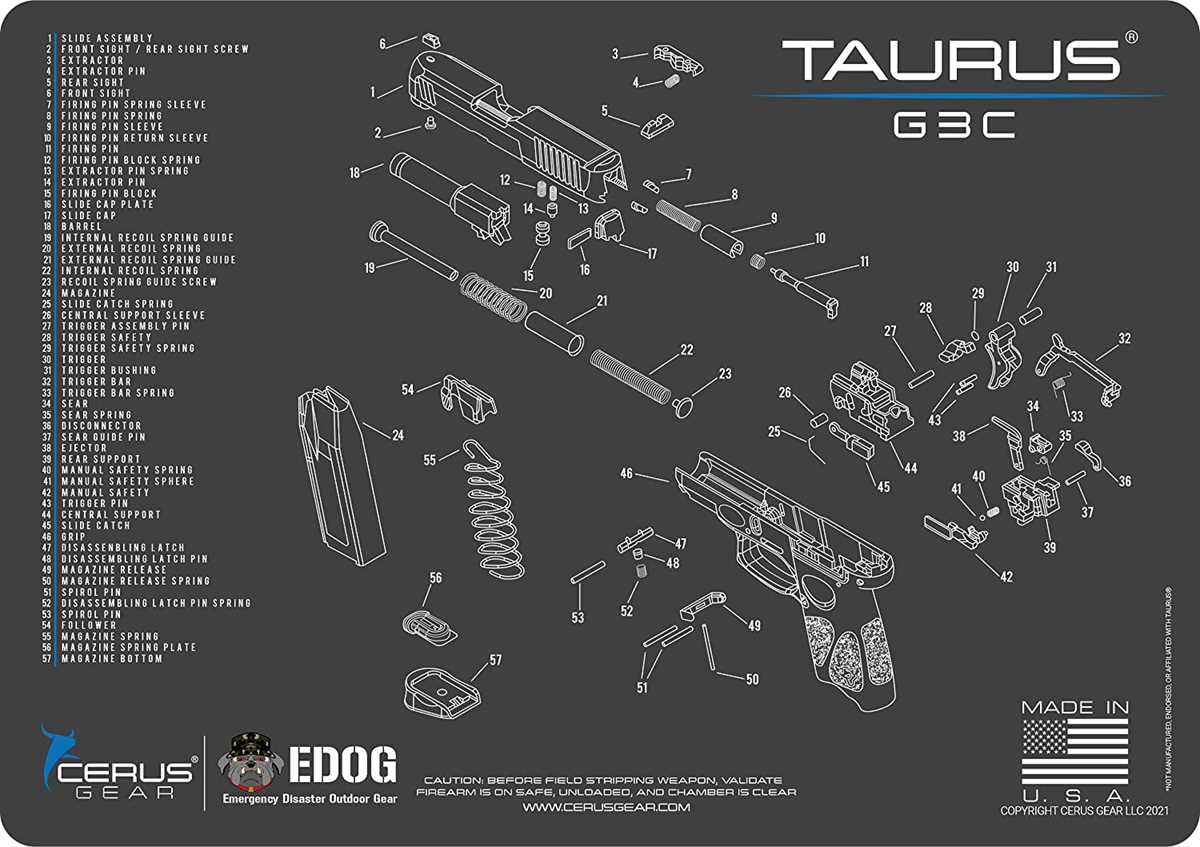
To properly maintain and repair your firearm, begin by familiarizing yourself with its core components. Start by inspecting the cylinder, which houses the rounds and rotates during firing. Ensure that the alignment is accurate, and that the cylinder locks into place without excessive play. If you notice any wobble, it may indicate wear on the locking mechanism that needs attention.
Next, focus on the trigger assembly, which includes the hammer, trigger, and sear. These parts work together to initiate the firing sequence. Inspect the hammer for smooth movement and proper engagement with the sear. The trigger should also move freely without sticking, and it should reset cleanly after each pull. If there is any resistance, lubricating the mechanism can help restore function.
Lastly, check the frame and barrel alignment. Any misalignment between the barrel and the frame can affect accuracy and safety. Ensure that the barrel is free from obstructions and that the frame does not show signs of cracking or excessive wear. Regularly checking these areas ensures safe and efficient operation of the firearm.
How to Identify Key Components in the Revolver
Start by locating the main structural components, which include the frame, barrel, and cylinder. These are the primary parts that form the backbone of the firearm. The frame holds all other elements in place, while the barrel guides the projectile during firing. The cylinder houses the rounds and rotates to position them for firing.
Next, identify the firing mechanism components, including the hammer, trigger, and sear. The hammer strikes the firing pin, which ignites the round’s primer. The trigger releases the hammer when pulled, while the sear holds the hammer in place until the trigger is activated. Ensure that these parts move freely and engage properly.
Finally, focus on the extractor and ejector rod. The extractor pulls spent casings from the chamber, while the ejector rod expels them from the cylinder. Both components should move smoothly to prevent jams or misfeeds during cycling.
- Frame: The foundation that holds the other components.
- Barrel: Directs the projectile and ensures accuracy.
- Cylinder: Holds and rotates the ammunition.
- Hammer: Strikes the firing pin to initiate firing.
- Trigger: Activates the firing mechanism.
- Sear: Holds the hammer in position until released by the trigger.
- Extractor: Removes spent casings from the cylinder.
- Ejector Rod: Expels the spent casings from the revolver.
Step-by-Step Guide to Assembling and Disassembling the Revolver
Begin by ensuring the firearm is unloaded and all safety measures are in place. To disassemble, first remove the cylinder from the frame. Release the latch that holds it in place, then carefully pull the cylinder out. Be sure to keep the parts in order to avoid confusion during reassembly.
Next, remove the screws securing the side plate of the frame. Once the screws are removed, gently lift the plate off, revealing the internal components like the hammer and trigger assembly. Carefully note the position of each piece, as their order is critical when reassembling.
To reassemble, start by placing the hammer and trigger assembly back into the frame. Secure them with the appropriate screws, ensuring they are tightened but not overdone. Reattach the side plate, making sure it aligns correctly with the frame. Once secured, insert the cylinder back into its housing, locking it into place with the latch.
Finally, perform a function check by manually cycling the hammer and trigger. Ensure the parts are moving freely and engage correctly without resistance. If everything is aligned, the revolver is ready for use.