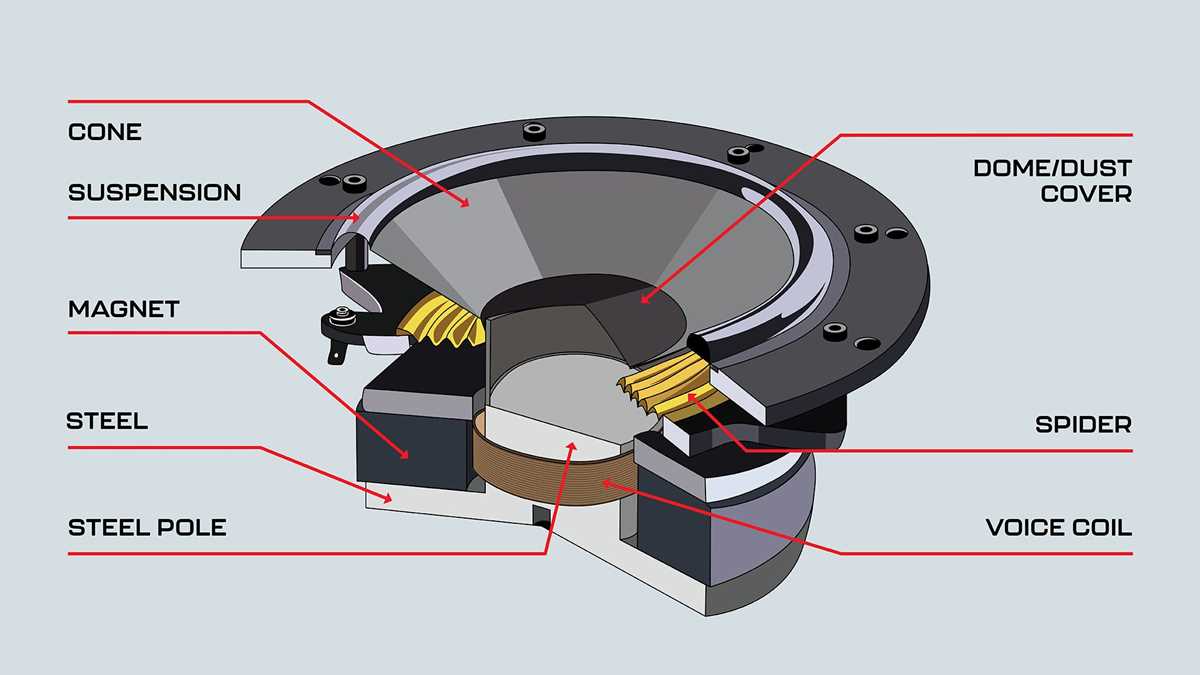
Regularly check the diaphragm for any signs of wear, as it plays a direct role in sound clarity. A damaged diaphragm can result in distorted audio. Ensure it is free from tears or holes, and that it moves freely during use.
The coil should be examined for any signs of heat damage or dirt buildup. Overheating can affect the performance and longevity of the coil. Periodically clean it and make sure it’s properly aligned with the magnet. This will prevent the risk of malfunction and ensure consistent sound output.
Inspect the frame and housing to ensure all components are securely in place. A loose structure can lead to vibrations or rattling that impacts sound quality. Tighten any loose screws and check for any cracks or deformities in the casing.
Parts of a Sound System
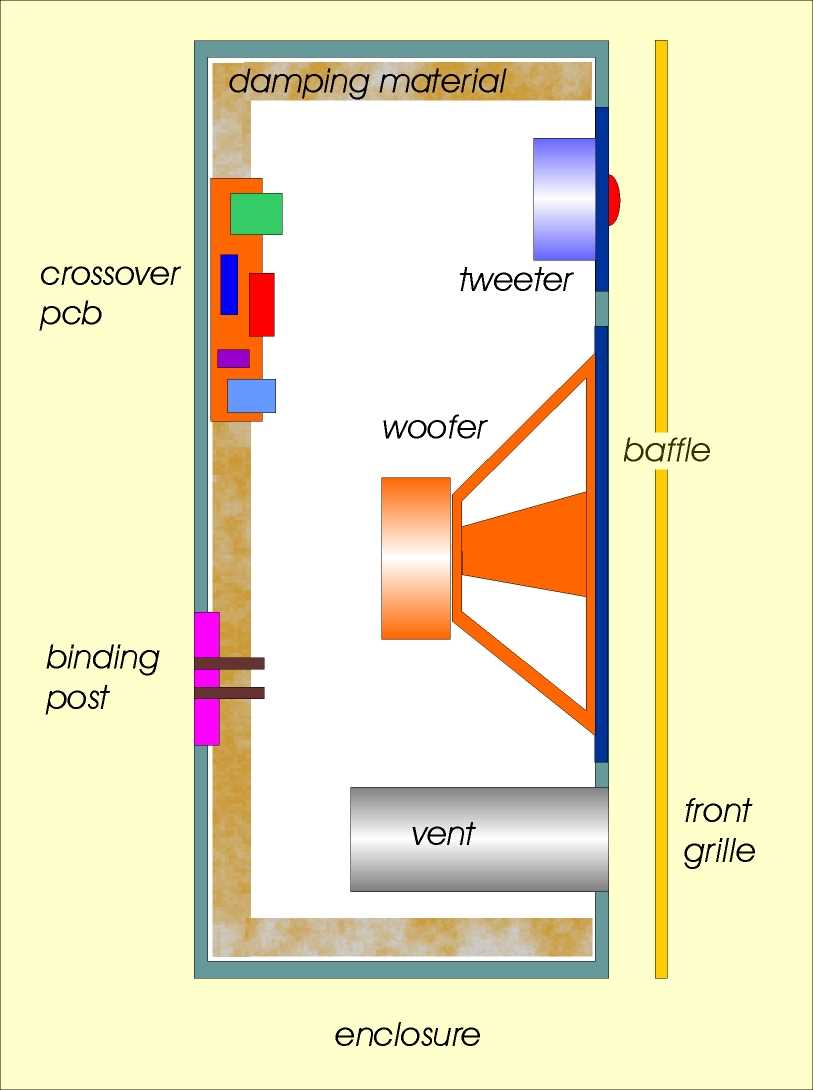
Ensure the diaphragm is free from any damage or tears. It plays a critical role in sound reproduction. A damaged diaphragm will affect sound clarity and volume. Regularly inspect for any visible wear and replace it if necessary.
The coil, which moves within the magnetic field, should be checked for dirt or debris that might obstruct its movement. Overheating can also cause long-term damage, so ensure the cooling system is functioning properly and clean the coil as needed.
- Magnet: Check for signs of wear or corrosion. A malfunctioning magnet will impact sound accuracy and efficiency.
- Frame: Ensure that the frame is securely fastened and free from cracks. A loose or damaged frame can lead to vibrations that distort sound quality.
- Surround: Inspect the surround for any cracks or signs of wear. It ensures the diaphragm moves in a controlled manner, maintaining sound integrity.
Regularly cleaning these components and checking for any signs of wear or misalignment will help extend the lifespan of your audio system and maintain sound quality. If any components show signs of wear, replace them promptly to avoid further damage and ensure optimal performance.
How the Cone Affects Sound Quality and Performance
The cone plays a vital role in how accurately sound is reproduced. A stiff or poorly made cone can result in distorted audio and reduced clarity, especially at higher frequencies. It is crucial to regularly inspect the cone for any visible damage, such as dents or cracks, as even small imperfections can negatively impact sound output.
Material choice affects performance significantly. Cones made from paper, plastic, or metal each have unique characteristics. Paper cones tend to be more lightweight, improving high-frequency response, while metal cones may provide more durability but can alter tonal balance. Be mindful of the material used, as it will influence both durability and sound quality.
Ensure the cone is properly aligned with the surrounding components. Misalignment can cause unnecessary friction, leading to poor performance and faster wear. The surround, which connects the cone to the frame, must be in good condition to allow for smooth movement. Any degradation here can lead to a decrease in sound output and overall system efficiency.
Understanding the Role of the Voice Coil in Speaker Function
The voice coil is responsible for converting electrical signals into mechanical motion, which in turn moves the diaphragm to produce sound. Regularly inspect the coil for signs of wear or overheating, as these can affect its efficiency and performance. Overheating can result from prolonged high-power usage, so avoid pushing the system beyond its rated limits.
Alignment is key to the voice coil’s operation. Ensure the coil is properly aligned with the magnetic field. Misalignment can lead to distortion or even permanent damage. If you notice unusual sounds such as buzzing or rattling, it may indicate the coil is off-center or rubbing against the magnet.
Maintaining a clean coil is also important. Dust and debris can interfere with the movement of the coil, leading to reduced performance. Use compressed air to gently clean the area around the coil, avoiding contact with sensitive components. Regular maintenance will help keep the coil functioning properly and extend the life of the system.
Maintaining the Surround and Basket for Longevity
The surround plays a critical role in allowing the diaphragm to move freely. Regularly inspect it for cracks, tears, or any signs of wear. A damaged surround can cause distortion or even prevent the diaphragm from moving correctly, impacting overall sound quality. If damage is detected, replace the surround immediately to avoid further issues.
Check the basket for any rust or corrosion. Over time, metal components can degrade, affecting the structural integrity of the system. Keep the basket clean and free from debris to prevent obstructions that may interfere with the movement of the diaphragm and coil. Use a soft cloth and gentle cleaning solutions to wipe down metal parts regularly.
Ensure that all fasteners on the surround and basket are tightly secured. Loose components can lead to unwanted vibrations and rattling, distorting sound output. Tighten screws and bolts as needed, but avoid over-tightening, which can cause damage. Regularly maintaining these components will help extend the life and performance of the system.