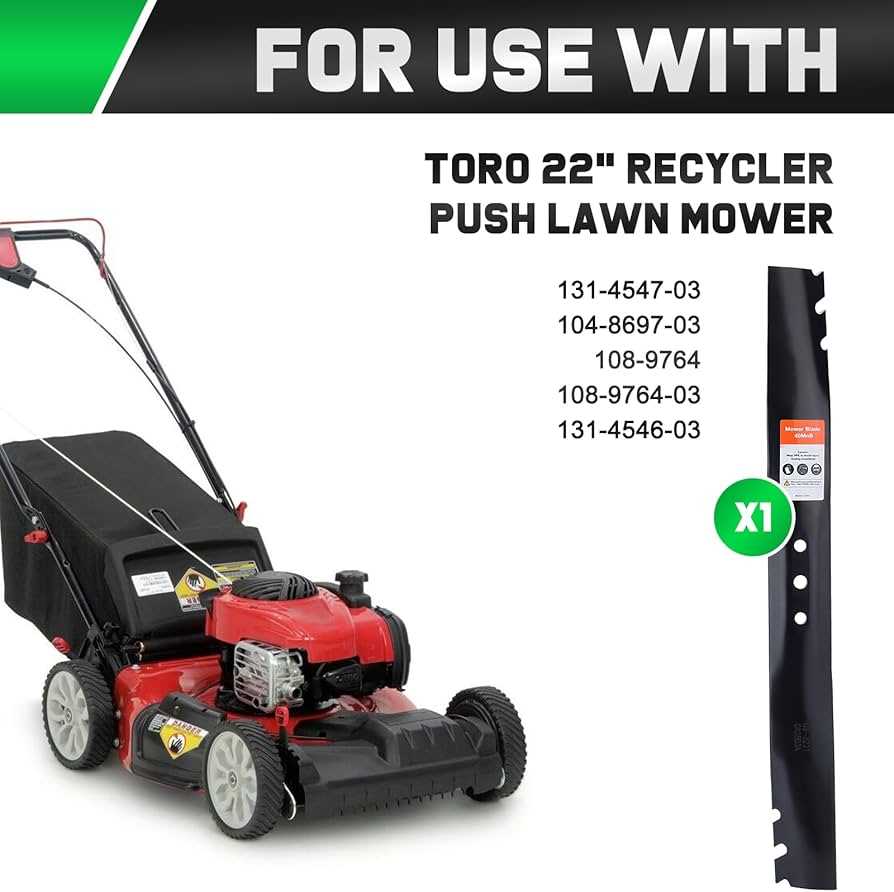
If your lawn mower has started showing signs of wear and tear, it might be time to take a closer look at the individual components that could be causing issues. Identifying which parts need to be replaced can significantly improve the performance of your equipment. Common parts that often require attention include the blade assembly, air filter, spark plug, and belt system. Understanding how these parts function together will help you maintain the mower’s efficiency and extend its lifespan.
The blade assembly plays a critical role in cutting grass efficiently. If it has become dull or damaged, the mower may not cut evenly, and you may notice clumping or uneven grass length. To replace the blade, ensure you have the correct replacement size and securely attach it to avoid vibration or misalignment. Similarly, the air filter needs to be cleaned or replaced regularly to maintain airflow to the engine. A clogged filter can cause the engine to overheat or run poorly.
Next, the spark plug should be checked periodically for wear. A faulty spark plug can result in poor engine performance, difficulty starting, or stalling while mowing. Replacing the spark plug is a simple task that can be completed with a few basic tools. Lastly, if you notice slipping or difficulty in motion, the belt system might need attention. Check for any wear, cracks, or misalignment and replace the belts as needed to ensure smooth operation.
Parts Overview and Repair Guide for Your Lawn Mower
The engine is the heart of the machine, and any issues here can severely affect performance. To keep it running smoothly, replace the spark plug annually, as a worn spark plug can prevent proper ignition, making starting difficult. Check the air filter for dirt and debris; a clogged filter reduces airflow and can cause overheating, reducing the mower’s efficiency.
The blade assembly plays a key role in maintaining a clean cut. If your mower leaves grass clumps or uneven patches, inspect the blade for dullness or damage. A sharp blade is crucial for even cutting. If needed, replace the blade to avoid strain on the engine and ensure uniform grass cutting. Ensure that the blade is properly aligned and secured to avoid excessive vibration or wear on other parts.
The belt system connects the engine to the wheels and the cutting mechanism. If the mower is losing power or not moving smoothly, the drive belt might be worn or stretched. Inspect the belt for cracks or fraying and replace it if necessary. Additionally, ensure that the belt is correctly aligned and properly tensioned for optimal performance.
Another common area to check is the fuel system. Stale gasoline can cause the engine to sputter or fail to start. Always use fresh fuel and consider cleaning the carburetor if the mower is not starting properly. If you’re facing issues with power loss, it could be due to blockages or air intake issues. Clear any debris from the air intake and fuel lines to restore full function.
Understanding the Key Components of Your Lawn Mower
The engine powers the entire machine and is the first area to check if you’re experiencing starting problems. Regular maintenance of the spark plug and air filter can prevent most ignition issues. A clogged filter should be cleaned or replaced to avoid poor engine performance and overheating.
The blade is critical for achieving a clean, even cut. If you notice uneven cuts or an increase in vibration, inspect the blade for sharpness or any damage. Replacing a dull or nicked blade ensures a more efficient mowing process and prevents the motor from working harder than necessary.
The drive belt connects various components, including the wheels and cutting mechanism. If the mower struggles to move or lacks power, check the drive belt for signs of wear or damage. A cracked or loose belt can cause the mower to lose motion or cut unevenly. Replacing or adjusting the belt as needed will restore functionality.
The fuel system should be maintained by regularly checking the fuel filter and fuel lines. Stale fuel can lead to engine sputtering or difficulty starting, so always use fresh gasoline. Cleaning the carburetor can also improve starting efficiency and ensure the engine runs smoothly. Blockages in the fuel lines should be cleared to prevent any interruptions in fuel delivery.
How to Replace Commonly Broken Parts in Your Lawn Mower
To replace a damaged blade, first ensure the mower is turned off and the spark plug is disconnected. Use a wrench to remove the bolt holding the blade in place. Inspect the new blade for proper alignment and securely fasten it with the bolt. Be sure to check for any debris that may hinder the blade’s movement.
If the wheels aren’t turning properly, the drive belt may need replacement. To do this, lift the mower and remove the belt cover. Once exposed, carefully remove the old belt from the pulleys and install a new one, ensuring it runs smoothly along the correct path. Test the movement of the wheels before reassembling the cover.
A worn or clogged air filter can reduce engine efficiency. Start by removing the filter cover and taking out the old filter. Insert a new filter that fits snugly into the housing. If you don’t have a replacement filter, cleaning the existing one with mild soap and water can be a temporary fix, but replacing it is recommended for optimal performance.
If the spark plug isn’t firing correctly, it’s time for a replacement. Use a spark plug wrench to remove the old spark plug and inspect the condition. Replace with a new spark plug that matches the specifications of your machine. Tighten it securely and reconnect the wire to restore proper ignition.
Step-by-Step Troubleshooting for Malfunctions
If the machine fails to start, begin by checking the fuel. Make sure the tank is full and that the fuel is fresh. Inspect the fuel line for any blockages or cracks that could prevent fuel flow.
If the engine starts but doesn’t run smoothly, check the air filter. A clogged air filter can cause poor engine performance. Remove the filter and clean it with mild soap and water or replace it if necessary.
If the mower is not cutting properly, examine the blade for damage or dullness. If the blade is bent or chipped, it needs to be replaced. Make sure the blade is properly aligned and securely fastened to the spindle.
If the wheels are not turning, inspect the drive belt. The belt may have slipped off or broken. Lift the mower, remove the belt cover, and replace or adjust the belt as needed.
If the engine is smoking, check the oil level. Low or old oil can cause overheating. Drain the old oil and refill with the correct amount of fresh oil. Make sure the oil filter is clean and properly installed.
For unusual noises, check for any debris in the cutting deck or around the blade area. Clear any twigs, rocks, or grass clippings that might be obstructing movement.