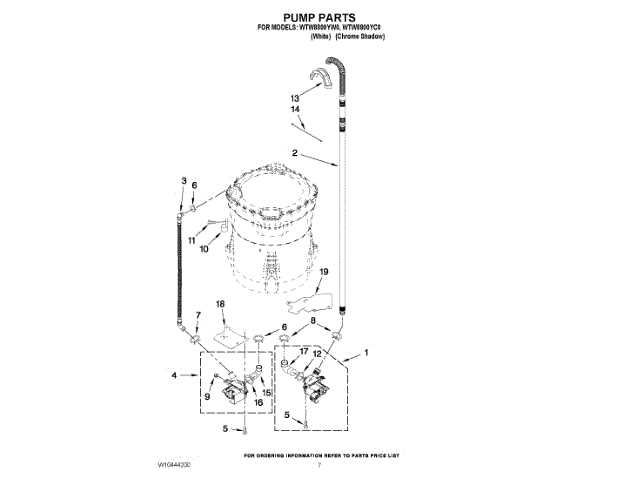
When troubleshooting or repairing your appliance, it’s vital to identify the specific components involved. Focus on locating the motor, belt, and control panel – these are often the sources of many common issues. If the washer is not spinning or agitating, these parts are likely to be the first suspects. Refer to a clear schematic or manual to better visualize how each component fits into the overall system.
If you’re experiencing issues with the door seal or water drainage, inspect the hose connections and pump. A clog in the drainage system can easily disrupt the operation, while worn seals lead to leaks. Regularly check for cracks or tears, as a minor issue in the seal can cause water damage and inefficiency.
Before replacing any faulty components, ensure you have the correct part number. This guarantees compatibility and avoids unnecessary returns. Ordering from trusted suppliers ensures you receive high-quality replacements that meet the standards of your specific model.
Understanding Key Components and Their Functions
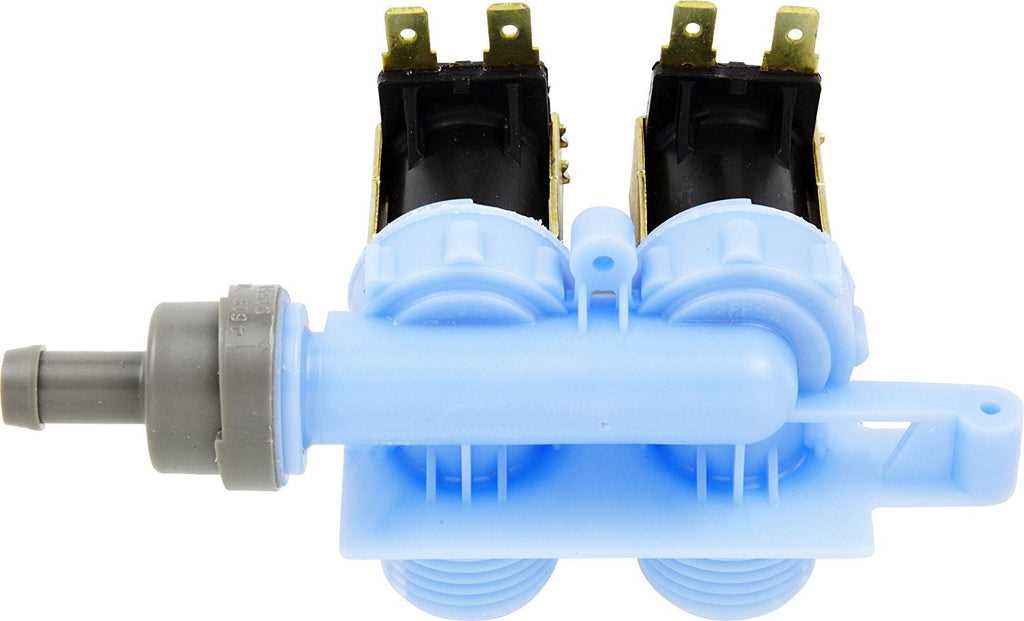
Identifying the key elements inside your appliance can greatly simplify maintenance and repairs. The main components to focus on are:
- Motor: Powers the drum, ensuring the machine can spin and agitate. If the appliance fails to turn on or agitate, the motor is often the culprit.
- Control Board: Acts as the brain of the unit, regulating cycles and functions. If your appliance isn’t responding to settings, the control board might need replacing.
- Belt: Connects the motor to the drum, enabling it to rotate. Check for wear, cracks, or fraying to prevent the unit from malfunctioning.
- Pump: Responsible for draining water after each cycle. If water remains in the drum, a clogged or broken pump may be the issue.
- Door Seal: Prevents leaks during operation. Regularly inspect it for tears or mildew that could compromise its sealing ability.
Regularly inspecting these components will help prevent unexpected breakdowns and improve the lifespan of your appliance. Keep track of their condition and order replacements as needed to avoid costly repairs.
How to Identify Common Components in the Machine
Begin by locating the main areas of the appliance that typically require maintenance. Key components include:
- Drum and Agitator: The rotating part of the unit that moves clothing during washing. Look for wear or damage on the fins or paddles that could reduce efficiency.
- Drive Motor: This motor powers the drum’s rotation. If the unit doesn’t spin or agitate, this is often the first place to check.
- Water Pump: Responsible for draining water from the tub. If water remains inside the drum after a cycle, the pump may be clogged or faulty.
- Door Seal: The rubber ring around the door prevents leaks. Inspect it for cracks or debris that could cause water to leak during cycles.
- Belts: Check the belts connecting the motor to the drum for any signs of cracking or stretching. A broken belt will prevent the drum from spinning.
Identifying these parts will help you troubleshoot common issues. Regularly inspect these areas for signs of wear to ensure proper functioning. Replacing damaged components early can save time and cost on major repairs.
Step-by-Step Guide to Replacing Key Components in the Appliance
Follow these steps to replace crucial components in your unit:
- Turn Off Power: Always unplug the appliance or switch off the circuit breaker to ensure safety.
- Remove the Access Panel: Use a screwdriver to remove the screws securing the access panel. Set the panel aside carefully.
- Inspect the Problem Area: Identify the faulty part by inspecting the motor, pump, or drum. Look for any broken or worn components.
- Disconnect the Old Part: For the motor or pump, remove the screws and disconnect the wires. Use a wrench or pliers if necessary.
- Install the New Component: Align the new part correctly and secure it with screws or bolts. Reconnect wires as needed, ensuring they are tightly secured.
- Reassemble the Appliance: Once the new part is in place, replace the access panel and tighten all screws securely.
- Test the Functionality: Plug the appliance back in and run a test cycle to confirm the new component is working properly.
Regularly inspect and replace worn components to maintain the appliance’s efficiency and extend its lifespan.