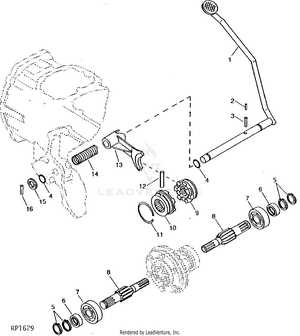
Familiarize yourself with the key elements of a seeding machine and how to maintain each segment for optimal performance. The mechanism operates through several core systems, each with distinct functions that require regular inspection. It’s crucial to understand these sections for troubleshooting and repair to ensure seamless operation during planting season.
Seed and Fertilizer Delivery System: This part controls the precise distribution of seed and nutrients to the soil. Key components such as the seed tubes, meters, and conveyors must be checked for blockages or wear. Any malfunction in this system can lead to uneven planting, reducing crop yields.
Soil Penetration Mechanism: The cutting blades and coulters are responsible for making furrows in the soil to plant the seed. These parts endure significant wear and tear, so periodic sharpening and alignment are necessary to maintain efficient soil penetration, especially in compacted or dry conditions.
Press Wheels and Closing Wheels: These components close the furrow after seed placement, ensuring good seed-to-soil contact. The condition of the press wheels directly affects germination rates. Keep these wheels clean and well-lubricated to avoid uneven closing.
Frame and Chassis: The foundation of the entire unit, which supports all working parts, must remain sturdy and intact. Inspect the frame regularly for any signs of cracks or structural damage that could lead to misalignment of the seeder during operation.
Drive System: The power behind the entire mechanism, including components like the gearboxes, shafts, and bearings. These parts transfer power from the tractor to the seeder and must be well-maintained to prevent breakdowns during planting. Regular lubrication and checking for any looseness or excessive wear are recommended.
Knowing each segment of the machine allows for quick identification of problems and more informed decision-making during maintenance or part replacement. A regular inspection schedule for these parts will extend the lifespan of your equipment and optimize its performance in the field.
Detailed Overview of Component Layout for Seeder Equipment
For an optimized workflow, it’s necessary to become familiar with the configuration of key machinery components. Identifying each piece and understanding how they interact ensures smoother operation and quicker troubleshooting. Begin with the row unit assemblies, as these are integral to proper seed placement. The seed boots, closing wheels, and depth bands work together to establish precise planting depth, which directly impacts crop yield.
Hydraulic and pneumatic systems control seed metering and furrow closure. Regular checks of the pressure regulators, hoses, and seed delivery mechanisms prevent blockages and ensure even seed distribution. Pay close attention to wear parts like bearings, bushings, and wear plates–they degrade over time and require frequent inspection to maintain performance.
The toolbar holds multiple attachments such as openers, which influence seed bed preparation. Depending on your field conditions, choosing between single or double disk openers will optimize furrow creation. Adjustments to the opener angle or depth gauge wheels also offer fine-tuning to match varying soil types.
It’s also crucial to monitor the frame for signs of wear or damage. A bent or cracked frame can cause misalignment, affecting the accuracy of planting. Regularly inspect the frame for integrity, paying special attention to the joints and welds, which bear the most stress during operation.
The seed hopper and associated conveyors feed the system. Ensuring smooth operation requires verifying that the augers, sensors, and flow controls remain free from debris or damage. A malfunction in this area can cause seed distribution problems, resulting in uneven seeding.
Incorporate regular maintenance practices and component replacement schedules to extend the life of the equipment and improve overall output. Keeping detailed records of each component’s condition helps to preempt potential failures and reduces downtime during planting season.
Identifying Key Components for Repair and Maintenance
Examine the opener mechanism to ensure smooth seed placement. Over time, wear on the opener discs can lead to uneven depth and inconsistent seed spacing. Regular inspection and replacement of these components will keep planting precise.
Check the closing wheels. These components help ensure proper seed-to-soil contact. Worn or damaged wheels can affect seed germination and overall crop yield. Periodically replace the wheels and adjust their alignment for optimal performance.
Inspect the seed tube and meter assembly for blockages or damage. A clogged seed tube can disrupt seed flow, causing gaps in planting. Verify the seed meter’s calibration to guarantee the correct seed rate is maintained throughout the planting process.
Pay attention to the frame and hitch for any signs of wear or fatigue. These parts endure significant stress during field operations, and any cracks or damage can impair the tool’s functionality. Tighten loose bolts and replace worn-out components to maintain a secure connection to the tractor.
Inspect the coulter blades for sharpness and alignment. Dull or misaligned blades can result in ineffective soil cutting, which negatively impacts planting depth. Replace or sharpen these blades as needed to ensure optimal soil disturbance and seed placement.
Regularly check the hydraulic system for leaks or loss of pressure. Hydraulic cylinders control various functions, including depth control and row unit adjustments. If pressure drops, it can affect the entire planting operation, so keep hydraulic fluid at the proper level and replace seals if necessary.
Finally, ensure all bearings and sprockets are lubricated and in good condition. Friction can cause excessive wear on moving parts, leading to premature failure. Regularly check for signs of wear and lubricate moving components to maintain smooth operation.
How to Read and Interpret the Assembly Guide for Easy Setup
Begin with identifying key components: locate the labels on each piece shown in the schematic. These identifiers, often accompanied by numbers, help determine correct orientation during assembly. Check for the parts labeled “A”, “B”, “C”, etc., which correspond to specific sections in the user manual.
Match each labeled part with its corresponding item in the assembly list. Ensure that fasteners and connectors, typically depicted in smaller boxes next to the larger components, are accounted for. Verify sizes, as they may be marked by diameter or thread count, which ensures proper fitment.
Cross-reference the visual cues for alignment marks. These markings, commonly seen on components like shafts or gears, indicate how parts should mesh together, minimizing misalignment. Align arrows, notches, and holes according to their designated counterparts for smooth operation.
Pay close attention to any part with multiple views, usually showing different angles or exploded views. These details often indicate complex installations or hidden parts, such as internal springs or bushings, which may not be immediately visible in a single perspective.
When connecting larger assemblies, start by assembling subcomponents first. This approach helps avoid confusion later in the process. Verify that parts are secured with the correct hardware and check that moving components have adequate clearance and mobility.
For critical areas, ensure to follow torque specifications if provided. Tighten fasteners gradually to prevent damage, using the recommended tools to avoid over-tightening, which can compromise part longevity or alignment.
Lastly, refer to any troubleshooting sections. These are often included in guides and can save time if assembly issues arise. Missteps can typically be resolved by rechecking part numbers and matching them to the guide’s references.