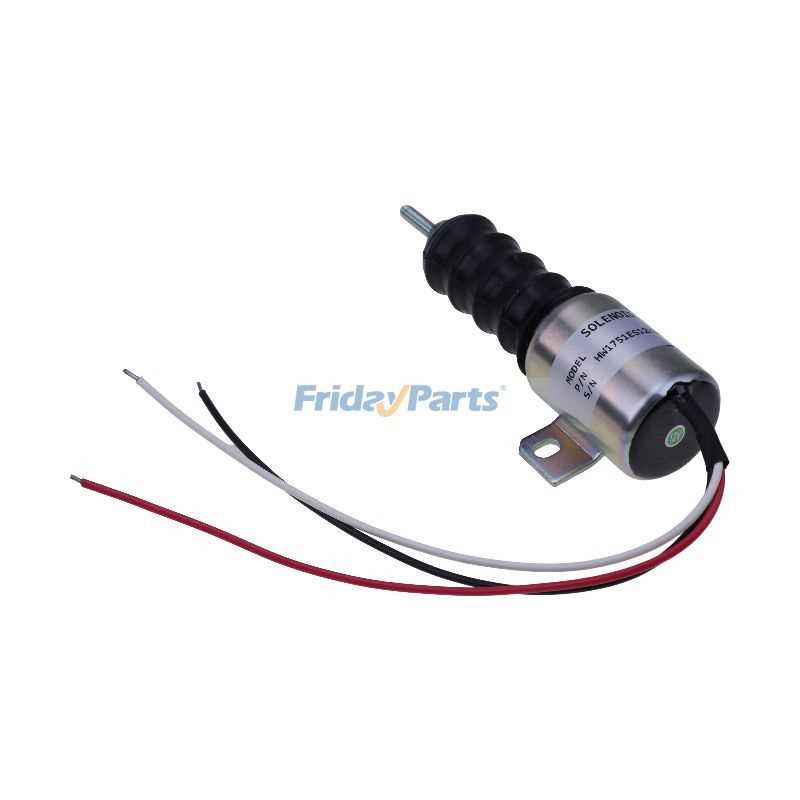
Identify each lead before connecting to the control unit to prevent reversed polarity or short circuits. Use a multimeter to confirm voltage and continuity on all conductors.
Label the positive, negative, and signal terminals during disassembly. This preserves correct orientation for reliable operation and prevents malfunction when reassembling the system.
Follow factory routing paths when installing the actuator lines. Secure bundles with clips to avoid interference with moving parts or sensors and reduce vibration that could loosen connections.
Test each lead individually before full assembly. Apply power and check response time, ensuring the actuator responds correctly to control signals without delay or irregular movement.
3 Lead Actuator Connection Guide
Confirm the function of each lead before connecting to the control module. The typical setup includes a constant power line, a ground, and a signal line. Use a multimeter to check voltage and continuity to avoid misconnection.
Follow the sequence for terminals to prevent reversed operation or failure. Positive supply usually connects to the thicker lead, ground to the black or marked line, and the signal or control line to the remaining terminal. Secure all connections with insulated connectors to maintain reliable contact.
Testing and Verification
After completing connections, apply power and trigger the control system. Observe the actuator for proper movement and response time. Check each terminal individually for consistent voltage under load and confirm there is no overheating or intermittent response before final assembly.
Identifying Leads and Verifying Voltage
Label each conductor before connecting to the control module to prevent misalignment. Positive, negative, and signal terminals must be clearly distinguished using tags or markers for reliable operation.
Measure voltage at each terminal with a multimeter before assembly. Confirm that the constant power lead provides 12V under load, the ground is secure, and the control signal responds correctly to activation.
Follow a sequence when testing channels to avoid confusion:
- Check constant power first
- Confirm ground continuity to chassis
- Verify control signal response
Inspect for insulation damage or corrosion at each connection point. Clean or replace terminals as needed to prevent voltage drop or intermittent activation.
Polarity Verification
Ensure positive and negative leads are not reversed. Reversing polarity can cause the actuator to fail or damage the control electronics. Use a continuity tester to double-check connections before applying power.
Mark the tested leads with colored tape or labels to maintain clarity during reassembly. This prevents accidental cross-connections when multiple actuators or devices share a common module.
Load Testing
After verifying voltage and polarity, simulate operation under load by activating the control circuit. Observe for consistent movement and proper timing. Measure voltage drop across terminals to confirm stable power delivery.
Document each measurement and observation for future reference. This ensures accurate troubleshooting and simplifies replacement or repair of components without guesswork.