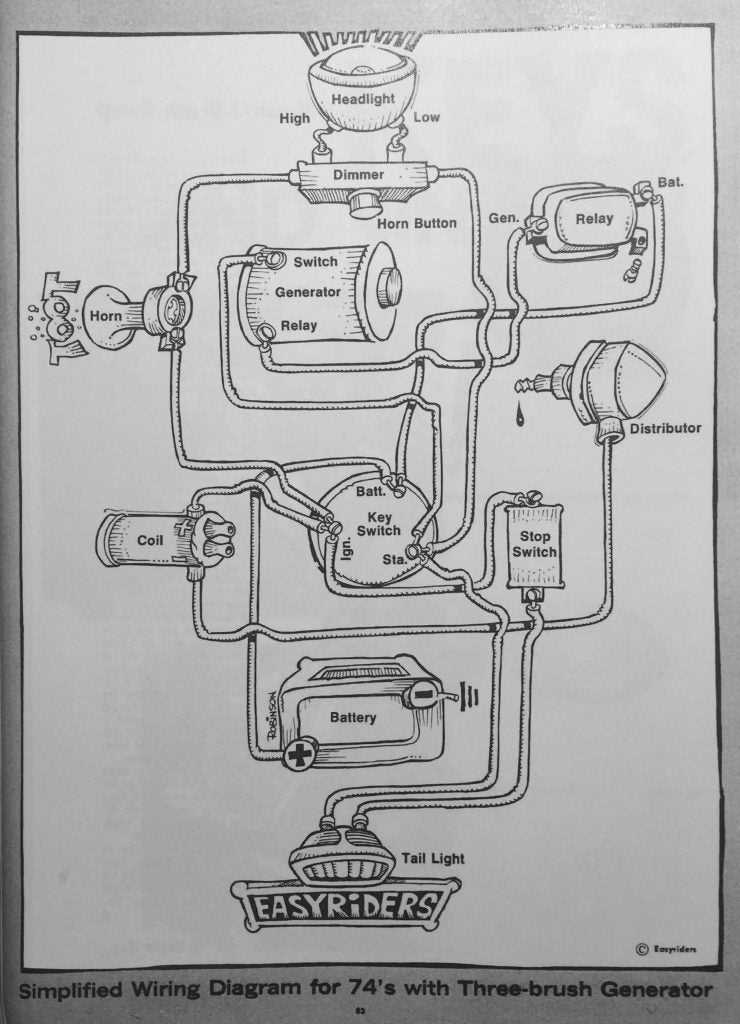
Begin by properly connecting the power source to the main circuit. The live wire from the battery should be securely attached to the input terminal of the electrical system. This ensures that the power flows correctly to the components, allowing for proper function during operation.
Next, ensure that all ground connections are firmly in place. The grounding wire should be attached to the frame or any other designated grounding point to avoid electrical interference. A poor ground connection could lead to malfunctioning components or complete system failure.
Take time to carefully inspect all connectors and terminals. Loose or corroded connections are a common source of electrical issues. Use high-quality connectors and ensure that each connection is tight and well-insulated to avoid any short circuits or power loss.
After completing the connections, test the electrical system by activating all components, such as the lights, ignition, and signals. If everything operates smoothly, secure all components in place and close up the system. If issues arise, retrace your steps and check each connection for accuracy and security.
Basic Motorcycle Electrical Connections Guide
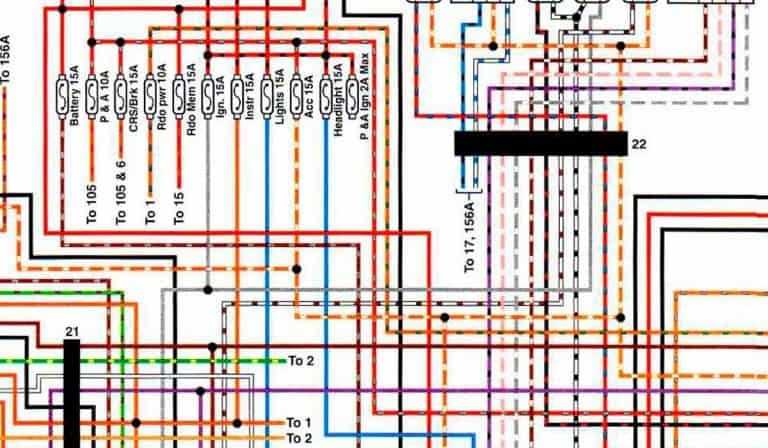
Start by identifying the battery terminals. The positive terminal should be connected to the power source input terminal. Always ensure the connections are tight and free of corrosion. A secure connection is key to ensuring proper electrical flow and avoiding power interruptions.
Next, connect the ground wire. The grounding terminal should be attached to a clean, unpainted area of the frame to ensure a stable connection. A poor ground connection can cause intermittent issues with the electrical system and may result in faulty components.
Connect the switches to the main circuit by following the proper path. Ensure that the connection from the switch to the device it controls is correctly wired. Incorrect routing can result in malfunctioning switches or failure to control the desired components.
Checking Power Flow and Troubleshooting
Once all components are connected, check the power flow. Turn on the ignition and verify that all electrical parts, like lights and signals, are functioning. If any part isn’t working, retrace your steps to identify loose or improperly connected wires.
If issues persist, check for any shorts in the system. Use a multimeter to test for continuity and voltage levels at different points in the circuit. This will help locate any break in the electrical flow that may be causing the malfunction.
Always use high-quality connectors and wires rated for the voltage and amperage of your system. Using cheap or incompatible materials can lead to overheating, power loss, or system damage. Insulate connections properly to avoid exposure to moisture and dirt.
Finalizing the Electrical Setup
Once all checks have been completed and power is flowing properly, secure all components and close up the electrical housing. Ensure that everything is tightly fastened, and the wiring is neatly organized to prevent future issues. Regular maintenance and inspections will keep the electrical system running smoothly.
Step-by-Step Process for Wiring Motorcycle Electrical Components
Begin by disconnecting the battery to ensure safety while working on the electrical system. Always remove the negative terminal first to avoid any accidental shorts or sparks during installation.
Next, identify the main power supply and connect it to the ignition switch. This will allow control over the electrical flow to the various components. Secure the connections tightly and verify that there is no fraying or damage to the wires.
Connecting the Essential Components
Install the headlight and other lighting components. Start by routing the wires to the switch, making sure each wire is placed in its designated terminal. Double-check that each connection is made with the correct polarity to avoid malfunction.
Once the lighting is in place, proceed with connecting the turn signals and brake lights. These should be wired according to the manufacturer’s specifications to ensure they function properly. Proper insulation is key to prevent any interference with the signals.
Final Checks and Testing
After all components are wired, reconnect the battery. Test each component, including the ignition, lighting, and signaling systems. If everything functions as expected, secure the wires in place, ensuring that they are neatly arranged and safe from any moving parts or potential wear points.