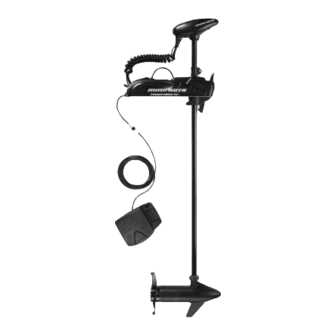
Focusing on a schematic layout of the key components of a boat’s electric motor system helps ensure accurate assembly, repair, and maintenance. A well-organized chart offers clarity when working on various elements like control mechanisms, propellers, and power management units. It’s essential to study each part’s function and interconnection to handle repairs or upgrades effectively.
For precise identification of individual components, rely on detailed technical diagrams. These visuals highlight the wiring, assembly order, and component placement, allowing you to recognize potential issues. Paying attention to each connector’s placement, as well as the motor’s alignment, will reduce the risk of electrical faults or mechanical failure during operation.
Regularly referring to these diagrams guarantees a smooth troubleshooting process. Knowing the precise location of parts such as battery terminals, speed controls, and electric connections makes pinpointing damage straightforward. Whether replacing worn-out components or adjusting existing ones, accurate referencing speeds up the procedure and prevents costly errors.
Proper identification and knowledge of the mechanical and electrical components contribute directly to longer service life. Using detailed technical charts during routine checks ensures all components function within their operational limits, preventing sudden breakdowns and maintaining optimal performance throughout the boat’s lifespan.
Understanding the Components of Your Trolling Motor
To ensure the longevity of your boat’s electric motor, a clear understanding of its individual components is key. Knowing the parts and how they work together will make it easier to troubleshoot or replace any malfunctioning pieces. Below is a breakdown of essential components and their functions.
- Control Head: Houses the switches and controls that allow the user to manage motor speed and direction. If your motor isn’t responding to inputs, it may be a wiring issue or malfunction in this section.
- Transom Mount: The bracket that attaches the motor to the boat. This is critical for stability. A cracked or loose mount could cause motor misalignment.
- Propeller: The key element in generating thrust. If your propeller is damaged or clogged with debris, your motor’s performance will be severely hindered.
- Drive Shaft: Connects the motor to the propeller. Wear and tear here can lead to inefficiency, and it’s one of the parts most prone to corrosion in saltwater environments.
- Motor Housing: The casing that protects the internal components from water damage. Ensure it’s sealed correctly to avoid electrical malfunctions.
- Foot Pedal (for remote control models): Allows hands-free control of motor direction and speed. Faulty connections or a broken pedal will affect steering and motor responsiveness.
- Battery Connector: Ensures a secure power supply from the battery. Loose connections or damaged cables can lead to power interruptions.
- Steering Mechanism: Most motors come with a steering system that either uses a handle or foot control. If steering becomes stiff or unresponsive, lubrication or parts replacement may be necessary.
- Propeller Shaft: Transfers motor power to the propeller. If it’s worn or bent, the propeller may not turn as efficiently, impacting thrust.
- Electrical System: Includes wiring, fuses, and connectors. Regular checks for wear or corrosion will help prevent unexpected motor shutdowns.
Regular maintenance, like checking the motor housing for cracks or inspecting the propeller for damage, will increase the lifespan of your motor. Always keep a repair manual or reference chart handy to guide you through specific troubleshooting steps for each part.
Understanding the Key Components of Minn Kota Power Drive Motor
The motor housing serves as the protective shell, safeguarding internal components from moisture and debris. This casing is designed for durability and ease of maintenance, providing access to the motor and wiring for repairs or upgrades. Inside the housing, the primary motor shaft connects to the propeller, enabling movement through water. The shaft must remain free of corrosion to ensure smooth operation, often treated with protective coatings for longevity.
The propeller, which is driven by the motor, plays a crucial role in propulsion. Choosing the right type of propeller–based on water conditions and boat size–can significantly affect maneuverability and power efficiency. Regular inspection of the blades for cracks or damage is key to maintaining consistent performance.
The control system, typically a foot pedal or remote, regulates the motor’s speed and direction. The wiring linked to the control system must be in good condition, as damaged wires can lead to malfunction or poor responsiveness. A high-quality connection ensures that the motor responds swiftly to input commands.
The steering mechanism allows the motor to pivot left or right, aiding in precise navigation. It uses a simple gear system that must remain properly lubricated to avoid stiffness or failure. Check the mechanism regularly to ensure smooth turning and alignment with the boat’s desired course.
The battery system powers the motor. Battery capacity and voltage determine how long the motor can run on a single charge. It’s crucial to monitor the charge levels and maintenance of the battery, as well as to ensure it is compatible with the motor’s power requirements. Batteries should be inspected for signs of wear or damage, and replaced when necessary to prevent loss of performance.
The circuit board inside the motor is responsible for managing electrical flow and ensuring smooth operation of the motor at varying speeds. A malfunctioning board can lead to erratic behavior or power loss. Regularly checking the board for signs of overheating or electrical issues can help identify potential problems before they escalate.
How to Identify and Replace Faulty Components in the Electric Trolling Motor
Examine the motor’s performance carefully to detect malfunctioning components. If the motor fails to start or runs intermittently, check for issues with the battery connections. Corrosion at terminals is a common cause. Clean the terminals and reconnect them properly to test if the issue resolves.
If the motor struggles to operate at full power or exhibits irregular speeds, inspect the propeller and shaft for damage or obstructions. A worn or broken propeller can lead to decreased efficiency, and in such cases, it should be replaced immediately.
Another area to assess is the motor’s control unit. If the speed or steering doesn’t respond to adjustments, the issue may lie within the wiring or control module. Check for frayed wires, loose connections, or burn marks. If any of these signs are present, replacing the control system might be necessary.
For those encountering unusual noises or vibrations during operation, inspect the housing for cracks or loose components. Tightening screws or replacing a damaged casing can help restore smooth operation. The internal parts, such as the motor brushes, might also require replacement if the motor is running loudly or inefficiently.
If the issue persists after addressing these areas, consult the schematic for a deeper look into the internal workings. At times, electrical failures within the circuitry may require professional assistance for a complete repair or replacement of the affected system.
Step-by-Step Guide to Assembling the Minn Kota Power Drive Based on the Diagram
First, secure the base unit onto the mounting bracket. Align the holes precisely and insert the screws, tightening them firmly to ensure stability.
Next, connect the motor wiring. Match each wire according to the color code provided in the illustration. Be sure the connections are tight and properly insulated to prevent shorts.
Attach the propeller to the motor shaft. Align it with the drive pin and lock it in place using the nut. Tighten it securely but avoid over-tightening to prevent damage.
Place the control unit on the shaft. Line it up with the designated slots and secure it with the screws provided. Make sure it is positioned correctly to align with the motor direction.
If the system includes a transducer mount, slide it into position on the shaft. Secure it with the fasteners, ensuring it is aligned at the correct angle for proper functionality.
Attach the protective cover over the propeller, if included. Slide it onto the motor shaft and lock it in place using the screws. This will safeguard the propeller during operation.
Finally, review the assembly according to the reference chart, ensuring that all parts are in their proper place and all screws are tightened. Test the system briefly to verify that everything functions correctly before use.