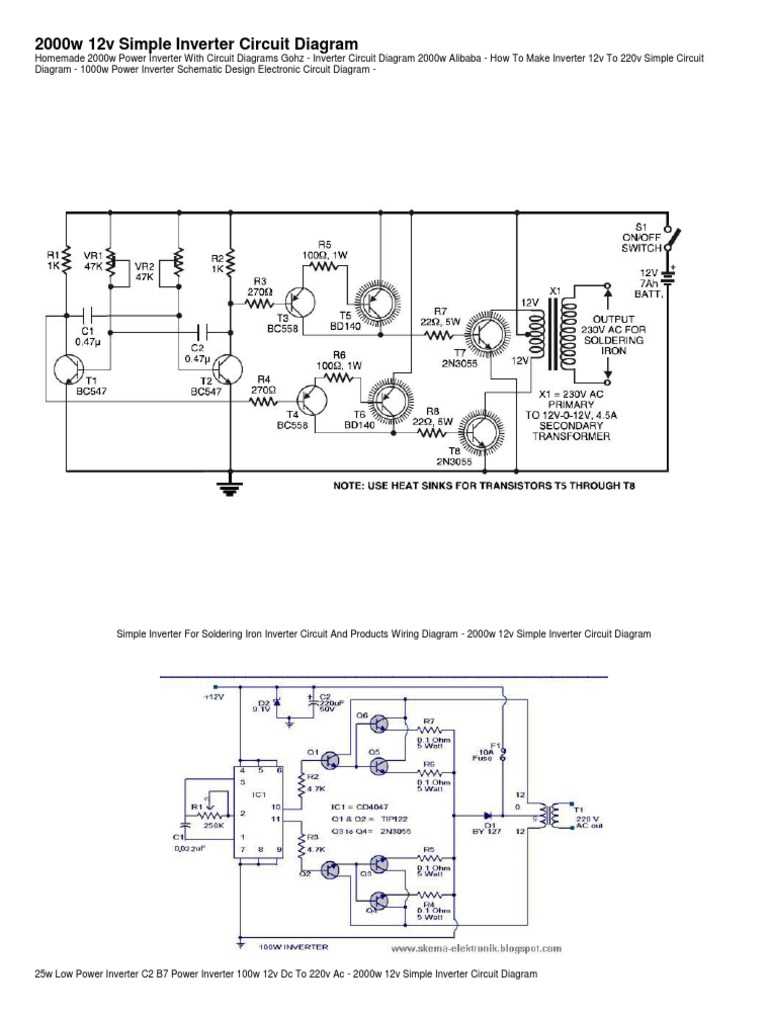
Verify input voltage and current ratings before connecting the assembly. Typical small units operate at 12 to 24 volts DC with currents up to 10 amps. Exceeding these limits can damage components or trigger thermal shutdown.
Check all terminal markings to ensure correct connections between the source and load. Positive and negative inputs must match the supply polarity to prevent component failure, and AC outputs should be isolated from DC terminals.
Integrate protective devices such as fuses or circuit breakers to prevent overload. Select fuse ratings slightly above the normal operating current for reliable protection without unnecessary tripping.
Use proper gauge conductors to minimize voltage drop and heat buildup. For currents up to 10 amps, 16 AWG wires or thicker are recommended. Longer leads require thicker conductors to maintain efficiency.
Secure all connections with crimp or solder terminals and insulate exposed contacts. Heat-shrink tubing rated above 105°C provides mechanical stability and prevents short circuits during operation.
Test output voltage and waveform before connecting sensitive devices. Measure AC voltage with a multimeter and verify waveform with an oscilloscope if possible to ensure stable conversion.
AC Conversion Assembly Connections
Identify all input and output terminals before applying any voltage. Positive and negative leads must match the DC source, and AC outputs should remain isolated from the input to prevent short circuits or component failure.
Install protective components such as fuses, circuit breakers, or surge suppressors to safeguard the assembly. Choose ratings slightly above normal operating current, typically 10–15% higher, to allow safe operation under transient loads without unnecessary interruptions.
Verify waveform and voltage stability before connecting sensitive devices. Use a multimeter for voltage measurements and an oscilloscope to check the AC waveform. Small deviations can indicate loose connections, insufficient filtering, or overloaded components.
Identifying Input and Output Terminals
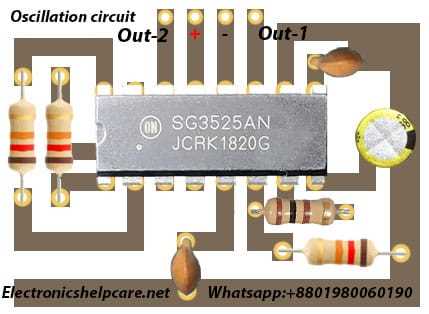
Label each connection point before energizing the system. Use a multimeter to confirm which terminals are for DC supply and which deliver alternating voltage. Typical input voltages range from 12 to 48 volts DC, while AC output commonly reaches 110 or 220 volts depending on the unit rating.
Verifying Connections
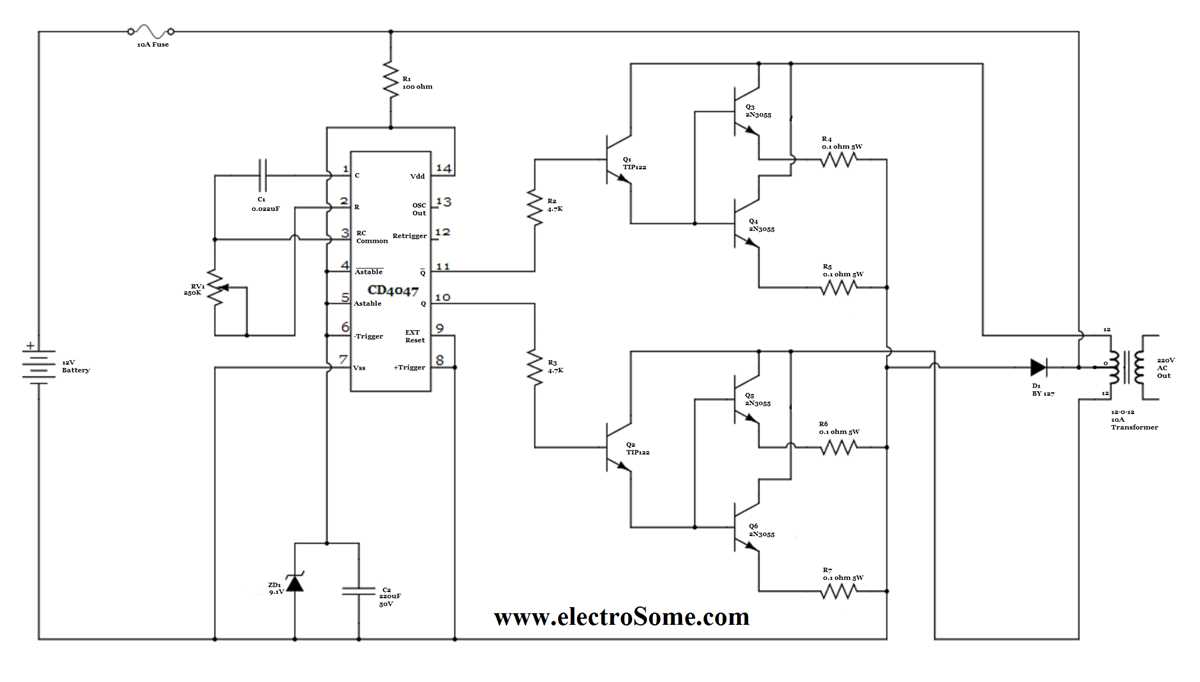
Check polarity and isolation of all leads to prevent shorts and component damage.
- Positive input connects to the supply’s positive terminal
- Negative input connects to the supply’s negative terminal
- AC output terminals should remain isolated from DC inputs
Labeling and documenting each lead reduces errors during assembly and maintenance.