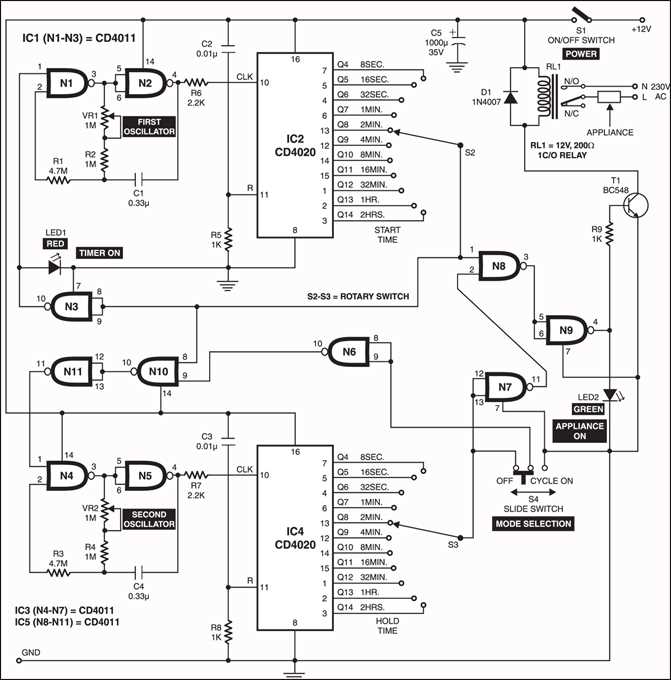
Label all input and output points before connecting components. Mark voltage levels and signal directions to prevent misrouting and ensure accurate operation during testing.
Separate control lines from power lines using distinct markers or colors. This separation reduces interference and makes it easier to follow sequences through resistors, capacitors, and logic gates.
Check orientation of directional components such as diodes and transistors. Incorrect placement can block current or alter timing, affecting reliability and accuracy of the device.
Document critical nodes for voltage and current measurements. Maintaining detailed notes allows easier troubleshooting and future adjustments without disrupting the established layout.
Step by Step Guide to Reading and Building Digital Timer Layouts
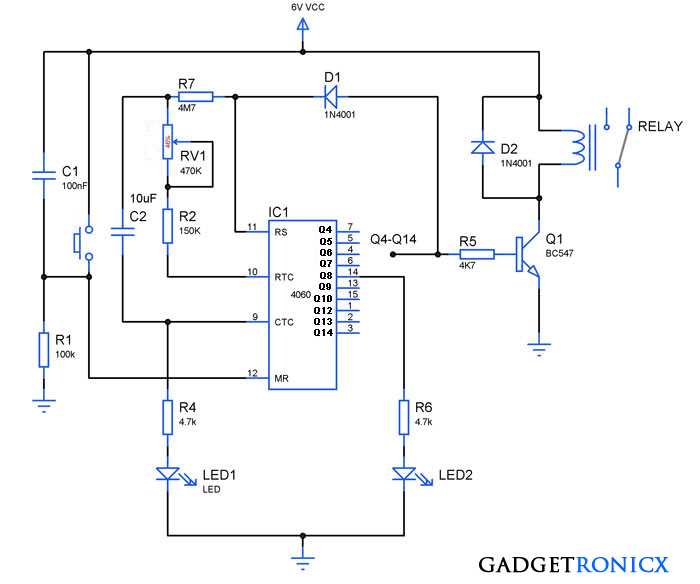
Start by labeling all power inputs and output connections. Assign unique identifiers for each node to track voltage levels and signal directions accurately.
Separate control pathways from main power lines using colored markers or numbered labels. This prevents misrouting and clarifies how signals move through resistors, capacitors, and logic gates.
Identify all directional components, including diodes and transistors, and verify orientation. Incorrect placement can block current or distort signal sequences, reducing reliability.
Mapping Signal Sequences
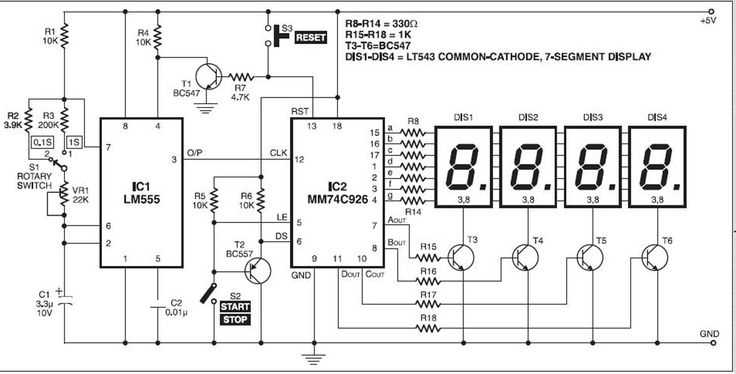
Trace the sequence from input triggers to output actions step by step. Record each transition to confirm timing intervals align with expected operation.
Check voltage and current at critical nodes before full integration. Measuring individual sections helps detect shorts, open connections, or reversed components early.
Use simplified sketches of complex paths for preliminary review. This method highlights potential conflicts and aids in understanding multi-stage operations.
Testing and Verification
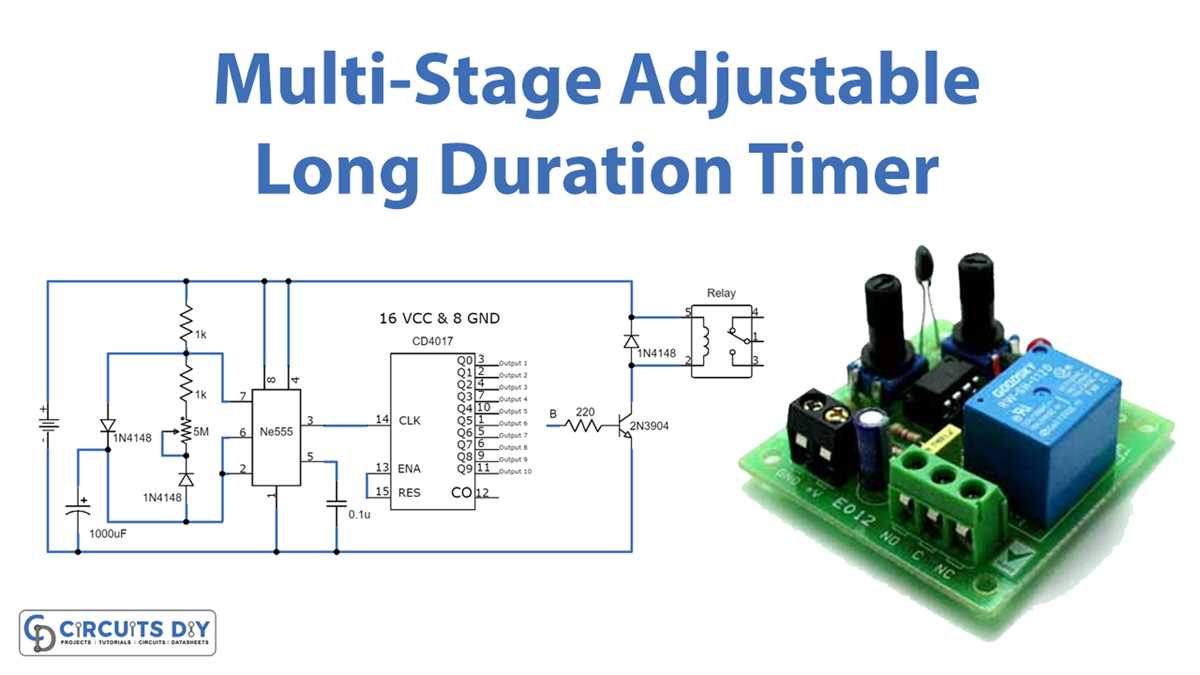
Simulate signal propagation in small segments prior to complete assembly. Segment testing reveals faulty connections and ensures that all logic elements respond as intended.
Maintain a log of measured values and connection points. Detailed records provide a reference for troubleshooting, modifications, or future upgrades without compromising the established layout.
Identifying Components and Understanding Their Roles in Timer Layouts
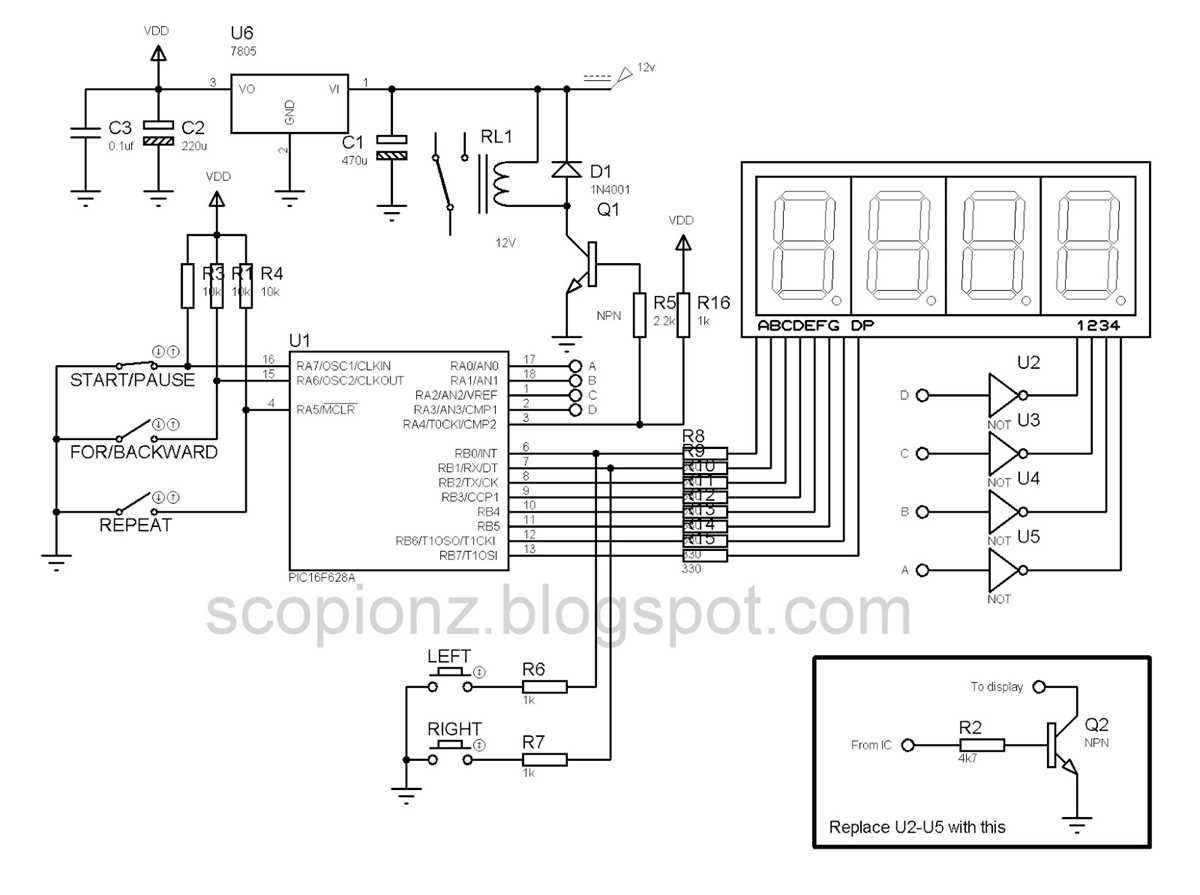
Start by locating resistors and capacitors and noting their labeled values. Resistors control current levels while capacitors store and release charge, shaping pulse duration and smoothing transitions.
Examine transistors and logic gates for proper orientation. Incorrect placement of these elements can block signals or disrupt timing sequences, so mark emitter, collector, base, and gate connections clearly before installation.
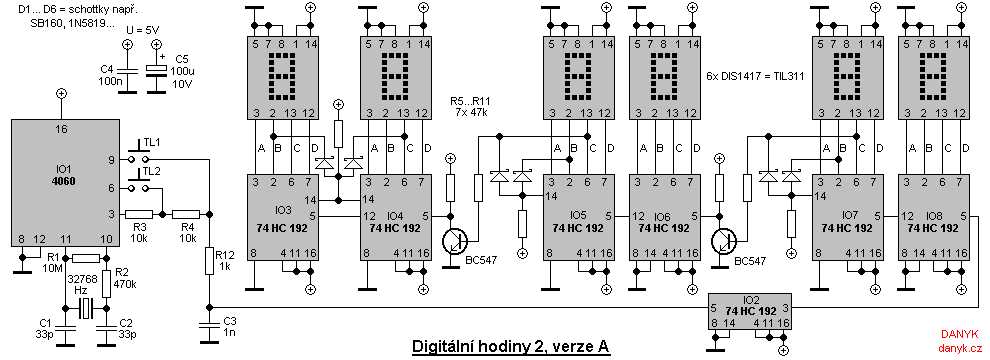
Identify diodes and fuses throughout the layout. Diodes prevent reverse current that can damage sensitive components, and fuses protect against overload by disconnecting the path under high current.
Review voltage regulators and power management elements. Stable voltage supply ensures predictable behavior of sequential stages and prevents drift in timing intervals.
Check for indicator LEDs or display elements that show operational status. These components provide visual feedback on signal progression and confirm proper triggering at each stage.
Document critical nodes where measurements are required.
- Voltage levels at input and output
- Signal rise and fall times
- Current through active elements
This record helps diagnose issues
and supports accurate adjustments.
Group related components into functional blocks such as input, processing, and output. Understanding block roles simplifies tracing signal paths and clarifies how each stage influences overall performance.