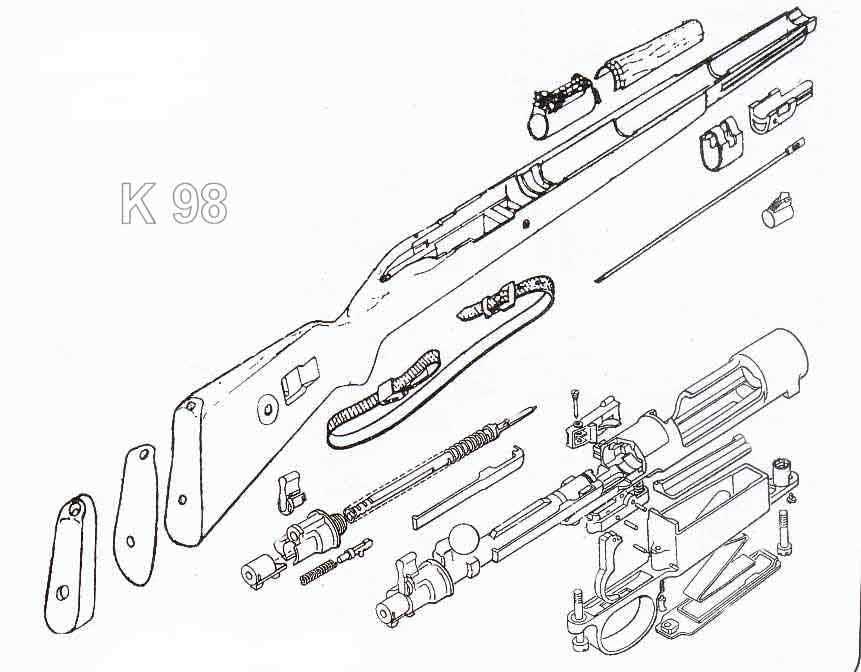
Carefully inspect each assembly before attempting repairs or replacements. To ensure smooth operation, focus on the firing mechanism, trigger assembly, and safety features. Any damaged or worn-out components should be replaced immediately to avoid potential malfunctions or accidents.
Use only high-quality replacements designed specifically for your model. Using incompatible or low-grade materials can severely affect the performance and reliability of the firearm. It’s crucial to match every part precisely to the original specifications for optimal safety and functionality.
Always test each individual component after replacement. Before reassembling the full mechanism, check the functionality of each part to ensure it is operating correctly. Regular maintenance and thorough testing help prolong the lifespan of your firearm while maintaining its safety and precision.
Firearm Assembly Breakdown
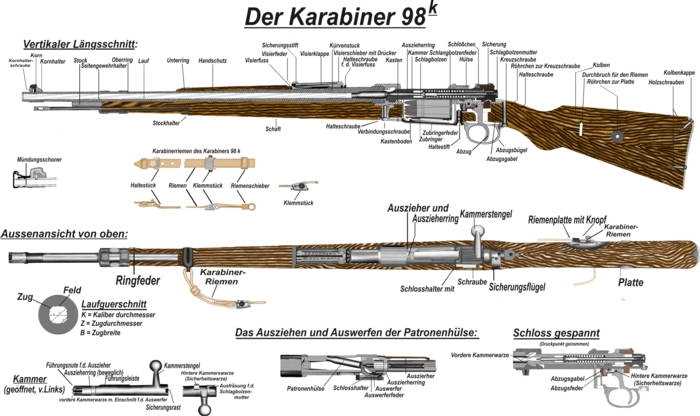
Disassemble the firearm by following these critical steps:
- Ensure the weapon is unloaded and the chamber is clear before starting.
- Remove the stock and separate it from the receiver for easier access to internal components.
- Take out the trigger mechanism and check for wear or damage.
- Disconnect the firing pin assembly carefully to avoid bending or damaging small components.
- Inspect the bolt assembly for any signs of corrosion, cracks, or damage.
Pay attention to the following components during the breakdown:
- The trigger group, which controls the firing mechanism, must be tested after reassembly.
- The recoil spring, crucial for the cycling action, should be checked for any stiffness or breaks.
- The extractor mechanism, responsible for ejecting spent cartridges, needs inspection for proper function.
- The safety catch and its spring should be checked for smooth operation, ensuring no interference in the firing process.
After reassembly, perform a thorough function check:
- Test the trigger pull for consistency and smoothness.
- Ensure the bolt operates correctly, locking into place without resistance.
- Check for correct engagement of the safety mechanism.
Regular maintenance and careful inspection of these components help to prevent malfunctions and maintain the overall reliability of the firearm.
Identifying Key Components in Firearm Assemblies
Focus on the following crucial elements for a thorough understanding of internal mechanisms:
- Receiver: Serves as the foundation, housing the trigger and bolt assembly. Ensure it’s free of any cracks or deformities.
- Trigger Mechanism: Controls the firing sequence. Inspect the sear, trigger, and springs for wear or misalignment.
- Firing Pin Assembly: This component strikes the cartridge primer. It should move freely without obstruction or damage.
- Recoil Spring: Vital for the firearm’s cycling. Ensure no signs of fatigue or damage that could cause malfunction during operation.
- Extractor: Extracts spent casings from the chamber. It should have a firm grip and return to position after use.
Additional components to verify:
- Safety Mechanism: Ensure it engages properly and blocks the firing pin from striking the primer.
- Hammer or Striker: This part strikes the firing pin. Check for corrosion or wear that could affect its function.
- Bolt Assembly: Should lock securely into the receiver and move smoothly without resistance.
- Barrel: Inspect the barrel for any obstructions or signs of wear, such as pitting or bulging.
Familiarizing yourself with these key components allows for accurate identification during maintenance, repair, or inspection tasks.
Step-by-Step Process for Replacing Firearm Components
1. Ensure Safety: Always check that the firearm is unloaded before starting any work. Remove the magazine and verify there are no rounds in the chamber.
2. Disassemble the Firearm: Begin by removing the barrel, bolt assembly, and recoil spring. This will give you access to internal components.
3. Identify the Faulty Component: Carefully inspect each part to determine which one is malfunctioning or worn out. Common issues include damaged firing pins, broken springs, or cracked receivers.
4. Remove the Faulty Component: Using appropriate tools, carefully remove the damaged part. Be mindful of any pins or screws that hold components in place. Avoid using excessive force to prevent damaging surrounding parts.
5. Replace with New Component: Insert the new component, ensuring it fits snugly into its designated space. Check the alignment to prevent issues when reassembling the firearm.
6. Reassemble the Firearm: Reinstall all the components you removed, such as the recoil spring, bolt, and barrel. Ensure everything is securely fitted and properly aligned.
7. Test the Functionality: Once reassembled, perform a function check. Ensure that the trigger operates smoothly, the safety mechanism works, and the firearm cycles properly.
8. Perform a Final Inspection: Check the firearm for any unusual movements or misalignments. If everything operates correctly, your firearm is now ready for use.
By following these steps, you can replace components effectively and restore the firearm’s functionality to its optimal condition.
Common Issues with Firearm Assemblies and How to Fix Them
1. Sticking or Malfunctioning Bolt: A common problem in firearm assemblies is a sticking or malfunctioning bolt, which can be caused by dirt, debris, or lack of lubrication. To fix this, disassemble the bolt, clean it thoroughly, and apply a light coating of lubricant. Reassemble and test for smooth movement.
2. Firing Pin Failures: A broken or worn-out firing pin will prevent proper ignition. To resolve this, remove the firing pin from the assembly and inspect for damage. Replace it with a new, compatible firing pin. Ensure proper seating and function before reassembling.
3. Weak or Broken Springs: A worn recoil or hammer spring can cause misfires or weak cycling. Inspect springs for signs of wear, cracks, or deformation. Replace any faulty springs with new, factory-spec components. Lubricate the springs lightly before reinstalling.
4. Loose or Misaligned Barrel: A barrel that is not properly aligned can lead to accuracy issues and potential malfunctions. Check the alignment of the barrel and receiver. If misaligned, disassemble the firearm and carefully realign the barrel, ensuring it locks securely in place.
5. Trigger Issues: If the trigger is not functioning smoothly or is stuck, it could be due to dirt, rust, or improper lubrication. Disassemble the trigger mechanism, clean any build-up, and apply a light lubricant to the moving parts. Reassemble and test for proper function.
6. Worn or Damaged Extractor: A faulty extractor can cause failure to eject spent casings. Inspect the extractor for wear or cracks. If damaged, replace it with a new part. Test the assembly to ensure proper ejection and smooth cycling.
Addressing these issues regularly and performing proper maintenance will ensure your firearm remains in optimal working condition and prevent unexpected failures. Always refer to the manual for specific instructions related to your model.