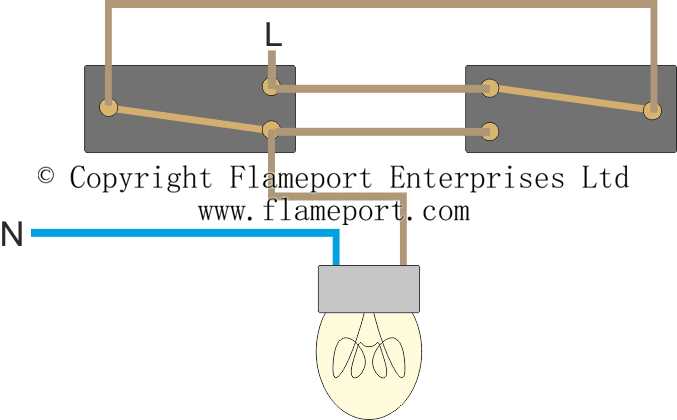
Connect the live wire directly to the fixture’s input terminal and ensure the neutral line is securely attached to the matching terminal. Use wire nuts rated for 250V and check that all connections are tight to prevent arcing.
Grounding is mandatory for safety. Attach the green or bare copper wire to the metal body of the fixture or the junction box using a screw or clip designed for grounding. Confirm continuity with a multimeter before powering the system.
When running cables through ceiling channels, avoid sharp bends and maintain at least 1 cm spacing from insulation. Label wires with colored tape if multiple lines converge in a single junction box to simplify future maintenance and prevent cross-connections.
Test the fixture after connections by switching on the power and observing stable illumination without flickering. If instability occurs, double-check the tightness of terminals and verify that the voltage matches the fixture’s specifications.
Ceiling Fixture Connection Guide with Live Neutral and Ground Lines
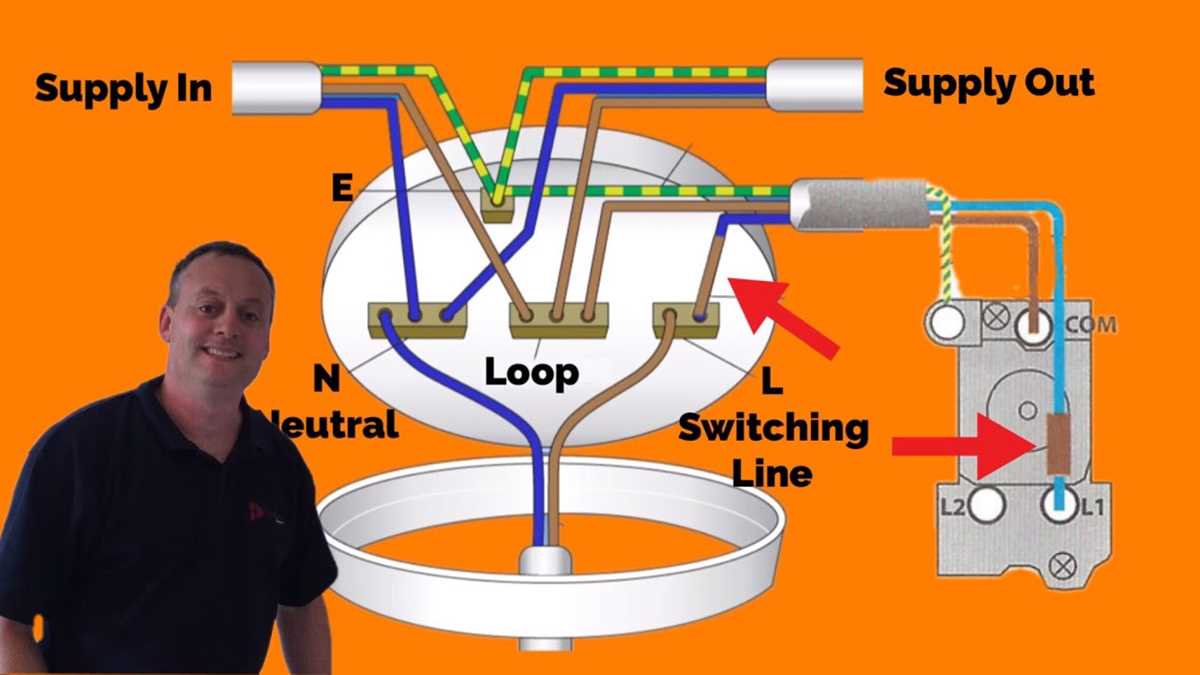
Attach the live wire to the designated terminal marked L and ensure the neutral line is connected to the terminal marked N. Use insulated wire connectors rated for at least 250V and verify that no bare copper is exposed outside the connector.
Grounding must be continuous. Secure the green or bare wire to the metal body of the fixture or the mounting box using a screw or dedicated clip. Confirm continuity with a multimeter before restoring power to prevent electrical hazards.
When routing cables through overhead channels, avoid kinks and sharp bends to maintain signal integrity and reduce strain on terminals. Maintain at least 1 cm separation from insulation and other metallic objects to prevent short circuits.
Label each wire if multiple lines are entering the junction box. Use color-coded tape to identify live, neutral, and ground paths to simplify future maintenance and ensure accurate reconnections during upgrades or replacements.
After completing connections, test the fixture by powering on and observing consistent illumination without flickering. If fluctuations occur, double-check all terminal screws and confirm the voltage matches the fixture’s rating to ensure long-term stability.
Selecting the Right Components for Safe Installation
Choose wires with appropriate voltage ratings matching the power supply, typically 220-240V for standard residential fixtures. Opt for 1.5 mm² for single lamps and 2.5 mm² for multiple load installations to reduce overheating risk.
Pick terminal blocks and screws that can handle continuous current without loosening. Brass terminals with heat-resistant plastic housings provide stable connections over long periods.
For metal enclosures, select grounding clips that maintain firm contact between the protective earth wire and fixture body. A loose connection can cause electric shock or short circuits.
Insulation and Protective Components
- Use high-temperature PVC or silicone insulation to avoid melting near heat sources.
- Include cable clamps to secure wiring inside junction boxes and prevent strain.
- Employ fuse holders or circuit breakers rated 10-16A to protect against overloads.
Fixture and Mounting Hardware
Metal brackets should be corrosion-resistant and capable of supporting the total fixture weight. Plastic components must be flame-retardant and rated for continuous electrical exposure.
Verify compatibility of sockets and bulbs. Mismatched voltage or wattage can lead to premature failure or overheating. Use components that follow international safety certifications like CE or UL.
After assembling, inspect every connection visually and mechanically. Ensure screws are tight, insulation intact, and no wires are pinched or exposed to metal edges to guarantee safe operation.