
Start by identifying the main components of the system. The power source, switches, relays, and load devices must be clearly marked. Pay close attention to the flow of electricity between each part to avoid incorrect connections.
Focus on the connections between devices. The lines that represent wires should be drawn without interruption, ensuring that the path from the power supply to each component is direct. Verify that each component is correctly wired according to the system’s purpose.
It’s also important to check for safety features such as fuses, circuit breakers, and grounding connections. These elements prevent overloads and electrical faults. Make sure they are positioned properly within the layout to safeguard the entire system.
Creating a Reliable Electrical Connection Map
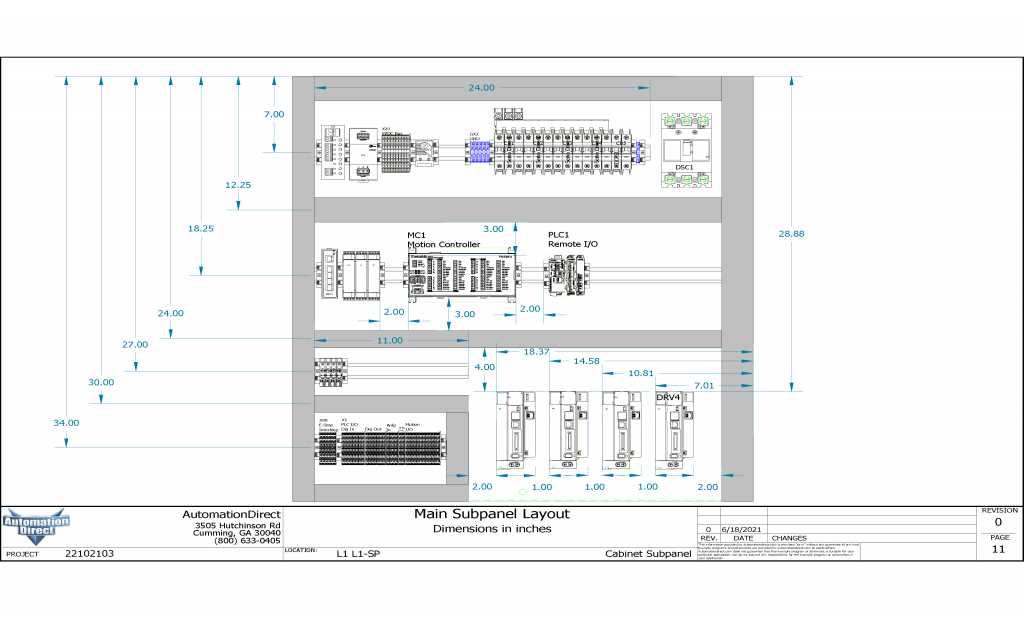
Start by labeling each component in the system. Identify the power supply, input devices, output devices, and any relays or switches. These must be clearly defined so that there is no confusion when wiring the system. Clear labeling ensures that the connections are made without error, improving the efficiency of the setup process.
Step-by-Step Setup
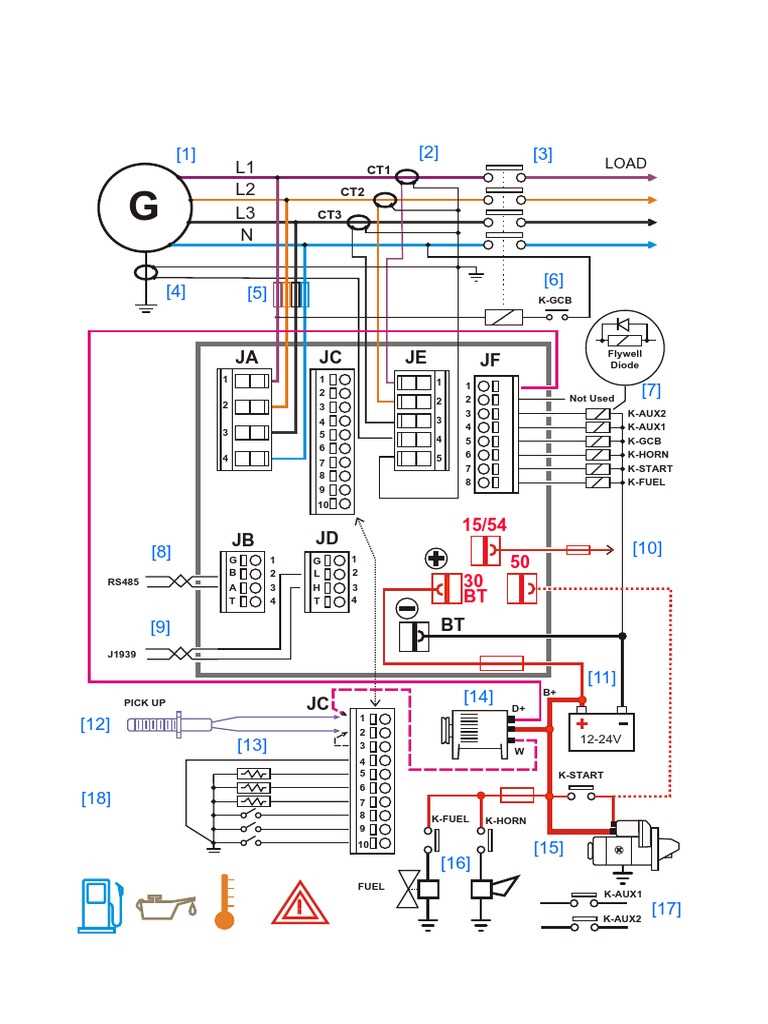
Next, connect the power supply to the input devices. Make sure the positive and negative terminals are aligned correctly with the power lines. This ensures the current flows properly and prevents damage to the system. Always use an appropriately rated fuse or circuit breaker between the power source and the input devices for protection against overloads.
- Start with the main power lines, using proper connectors for secure connections.
- Double-check the voltage requirements for each device to ensure they match with the power supply specifications.
After that, link the output devices. These include motors, lights, or other machines that the system is designed to control. Use the correct wire gauge to prevent voltage drops or overheating, especially in systems that draw high current.
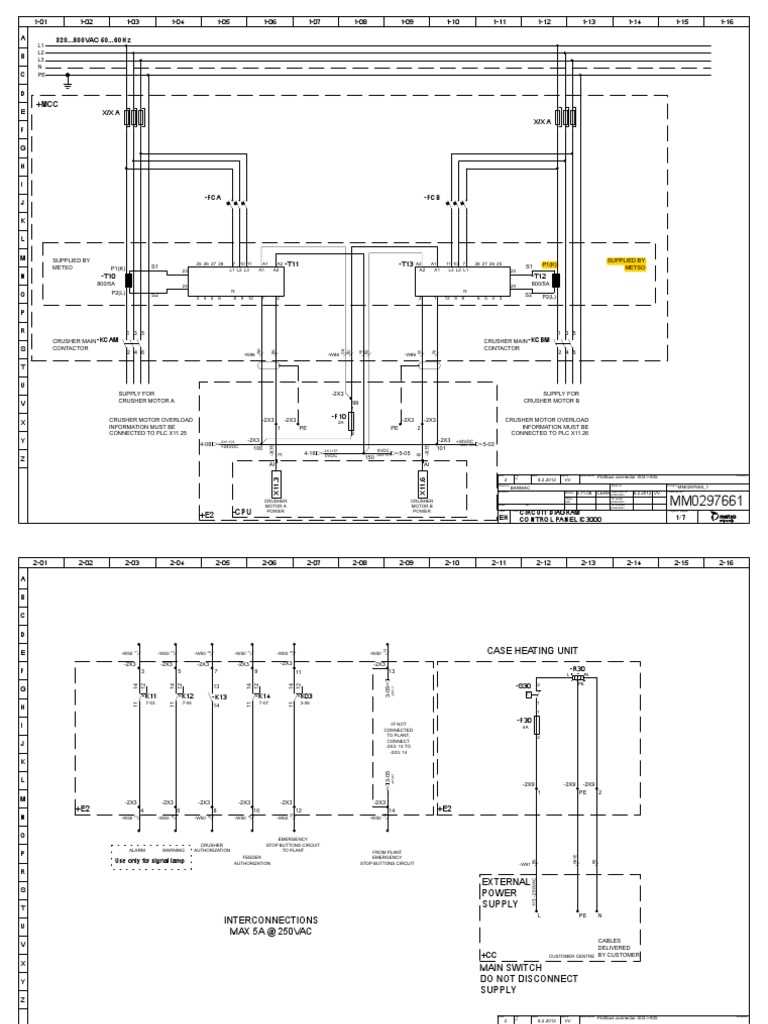
Connecting Safety Elements
Integrate safety components such as ground connections, circuit breakers, and fuses. Proper grounding is crucial to avoid electrical shocks or short circuits. Make sure to connect each safety device according to the system requirements. These components should be easily accessible in case maintenance or troubleshooting is needed.
Check the integrity of each connection after assembly. A poor connection can lead to malfunction or damage over time. Ensure all wires are tightly secured and insulated to prevent contact with water or other conductive materials.
- Verify that all fuses are in place and rated for the expected load.
- Ensure there is no exposed wire that could create a short circuit.
Finally, verify the entire setup with a test run. Check for any signs of overheating, sparks, or inconsistent power flow. Testing the system before full operation can save time and prevent issues from escalating into more significant failures.
How to Identify Key Components in a Control System Layout
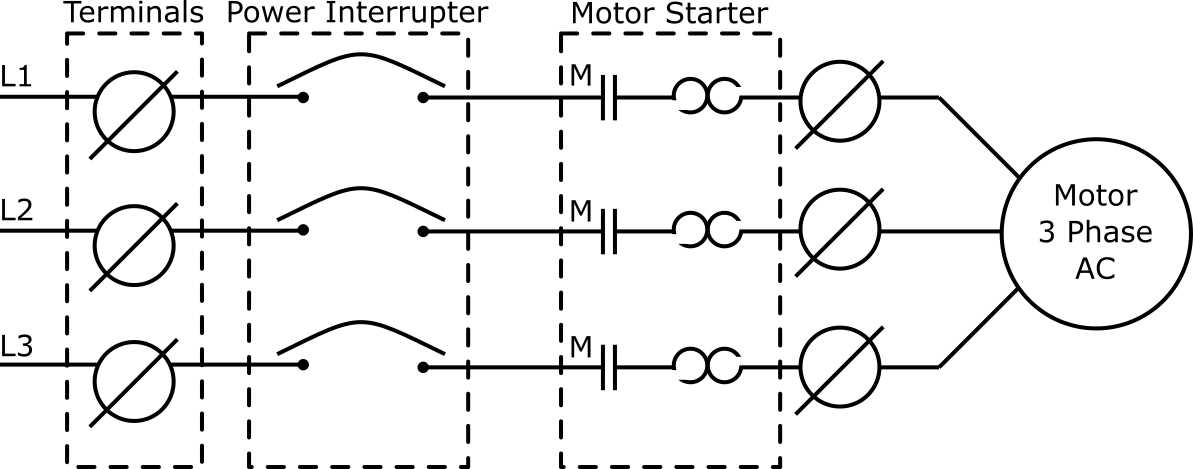
Begin by locating the power supply source. This component is the central hub from which electricity flows to the entire system. Typically, it is represented at the top of the layout, and the positive and negative terminals must be clearly marked. Ensure the power source is linked to a fuse or circuit breaker for protection against overloads or electrical faults.
Next, identify the switches. These elements control the flow of electricity to different parts of the setup. Switches should be clearly labeled with their function, whether it’s to activate a motor, light, or another component. These devices can range from simple toggle switches to more complex push buttons or rotary selectors, depending on the system’s complexity.
After that, locate relays. Relays act as intermediaries, allowing low-power control signals to switch higher-power components on and off. These are especially important in systems that require remote control or automation. They should be marked with the coil and contact sections clearly, as this helps determine their function in the circuit.
Identify any sensors or feedback devices next. These components monitor specific conditions, such as temperature, pressure, or flow. In a control system, sensors provide vital data that help make automated decisions or control operations. Check for labels indicating sensor types, and ensure proper connection to the control unit for accurate data transmission.
- Check if sensors are wired correctly to avoid faulty readings.
- Ensure relays have the proper voltage ratings for the load they switch.
Don’t forget about the grounding system. A solid ground connection prevents electrical faults and reduces the risk of electric shock. The ground wire should be connected to a designated grounding point on the frame of the system, ensuring a safe path for excess electricity to flow in case of a short circuit.
Next, examine the input and output terminals. These are where external devices connect to the system, such as motors, pumps, or indicators. Make sure these connections are clearly marked and connected securely to avoid malfunction. These points should match the specifications for each device, ensuring that the correct voltage and current levels are applied.
Finally, check for any safety devices such as circuit breakers or overload protectors. These components are there to safeguard the system from damage due to overcurrent conditions. Make sure these devices are correctly placed in the layout, typically before the main components, so they can disconnect the system if needed to prevent damage.