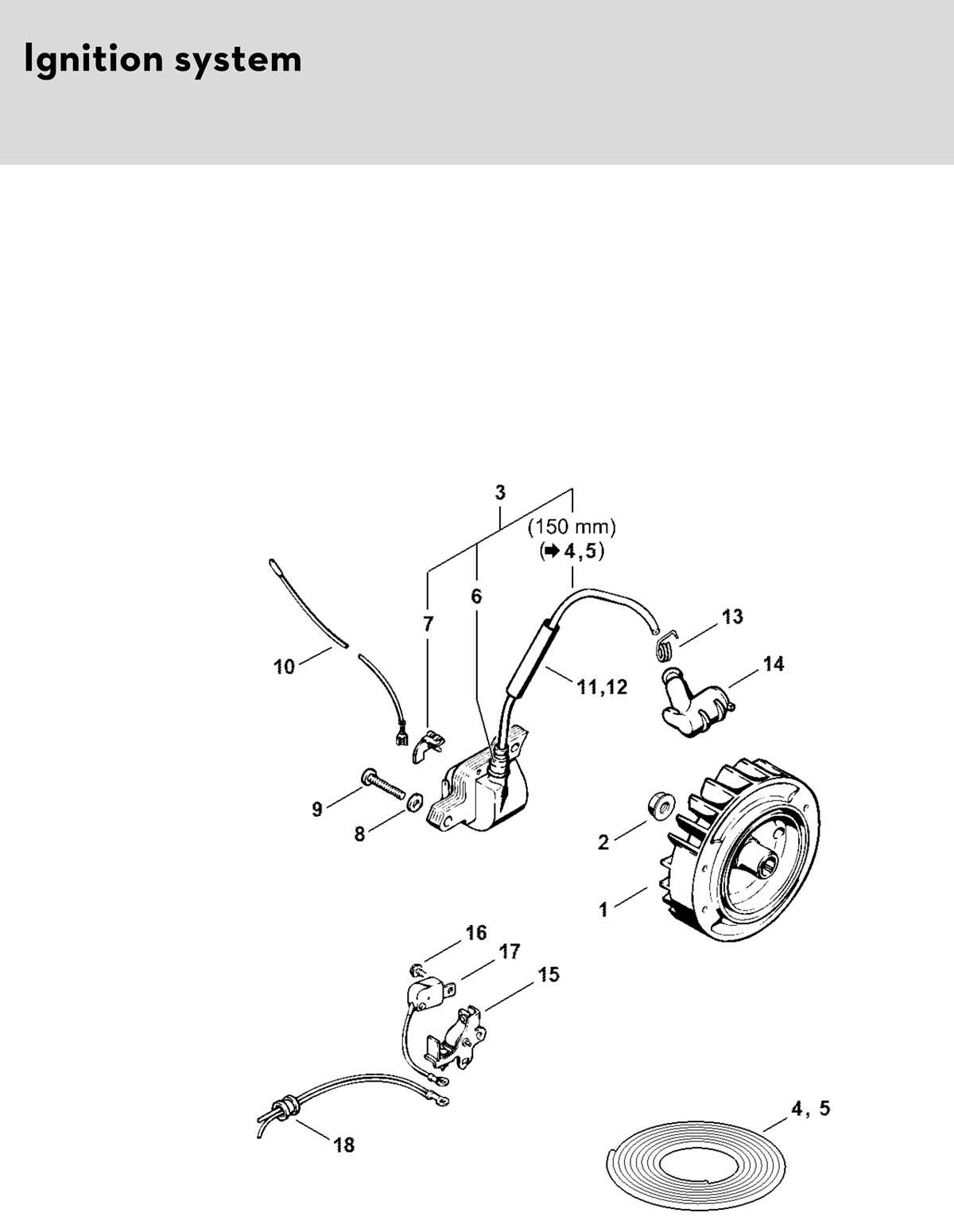
Use an exploded view sheet to identify worn components before disassembly and match replacements by shape, mounting points, and sequence.
How to read the exploded view correctly
Each assembly is shown separated along its axis, allowing fast recognition of how elements stack and interact. Focus on fastener length, washer order, and orientation marks etched on housings.
- Engine block section shows crankcase halves, seals, and bearing seats.
- Fuel system sheet displays tank vent routing and carb mounting order.
- Ignition page outlines coil gap spacing and flywheel key alignment.
Identifying the exact variant
This 61cc platform was produced with small revisions. Compare chain brake style, clutch drum width, and air filter frame to confirm compatibility before purchasing replacements.
Common wear zones and replacements
- Crankshaft seals: check for oil residue behind the flywheel.
- Chain brake band: inspect thickness and heat marks.
- AV buffers: cracked rubber leads to excess vibration.
- Oil pump worm gear: rounded teeth reduce bar lubrication.
Where to source accurate reference sheets
Printed service manuals from the original manufacturer era and scanned dealer bulletins provide the clearest exploded views. Aftermarket booklets often omit torque notes and revision differences.
Tips for workshop use
Print the exploded view at A3 size, mark removed items with a pencil, and bag fasteners by section. This avoids misplacement during reassembly and speeds up troubleshooting.
Result: precise identification, fewer mistakes, and faster restoration of a durable vintage saw.
Powerhead Assembly Layout for a Classic 60cc Chainsaw
Use an exploded view of the powerhead to verify fastener order before removal, focusing first on the clutch side where thread direction differs and prevents accidental loosening.
The engine block section shows the cylinder, piston, rings, and wrist pin; replace rings when end gap exceeds 0.6 mm and inspect the piston crown for scoring near the exhaust port.
The intake system layout identifies the carburetion unit, impulse line, and intake boot; cracked rubber here causes lean running, so swap the boot if stiffness appears after heat exposure.
The ignition area schematic highlights the flywheel, key, and coil gap; set the air gap to 0.2–0.3 mm using a non-magnetic spacer to stabilize spark timing.
The lubrication assembly map lists the oil pump, worm gear, and delivery channel; check the plastic drive gear for rounding and confirm oil flow by running the bar off for 30 seconds.
The cutting attachment overview displays guide bar studs, tensioner pin, and chain catcher; a bent tensioner pin leads to uneven tracking and should be replaced during bar swaps.
The fuel system drawing traces the tank, pickup filter, and vent; replace the in-tank filter annually and ensure the vent allows airflow without seepage.
The handle and anti-vibration layout details buffers and mounts; hardened buffers transmit vibration and should be exchanged to restore operator comfort and control.