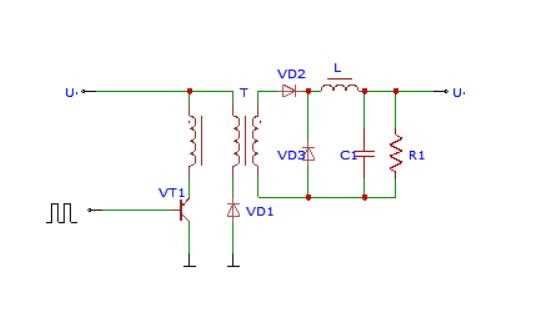
When designing a switching-mode regulator, the first thing to do is determine the required voltage, current, and efficiency for your application. These specifications will help guide the choice of components, including inductors, capacitors, and switching elements like MOSFETs. Carefully selecting these elements can ensure a stable and reliable voltage conversion process.
One of the most important aspects of any switching-mode design is the transformer or inductor used to store and transfer energy. The correct sizing and type of transformer are crucial to achieving desired output levels while minimizing energy loss and interference. Pay close attention to its specifications, including saturation current, resistance, and inductance.
Next, focus on controlling elements like the feedback mechanism. Feedback loops allow the system to adjust to load changes and maintain consistent output voltage. Depending on the design, you may use voltage-mode control or current-mode control. Understanding the differences will guide your choice of components and control ICs, optimizing performance and stability in the circuit.
Once the components are chosen, the physical layout of the system must be designed for efficiency and minimal electromagnetic interference. Proper grounding, decoupling capacitors, and layout practices all play a role in the final performance. Effective grounding can prevent noise, while good layout practices reduce cross-talk and other undesired effects.
SMPS Power Supply Circuit Design and Components Guide
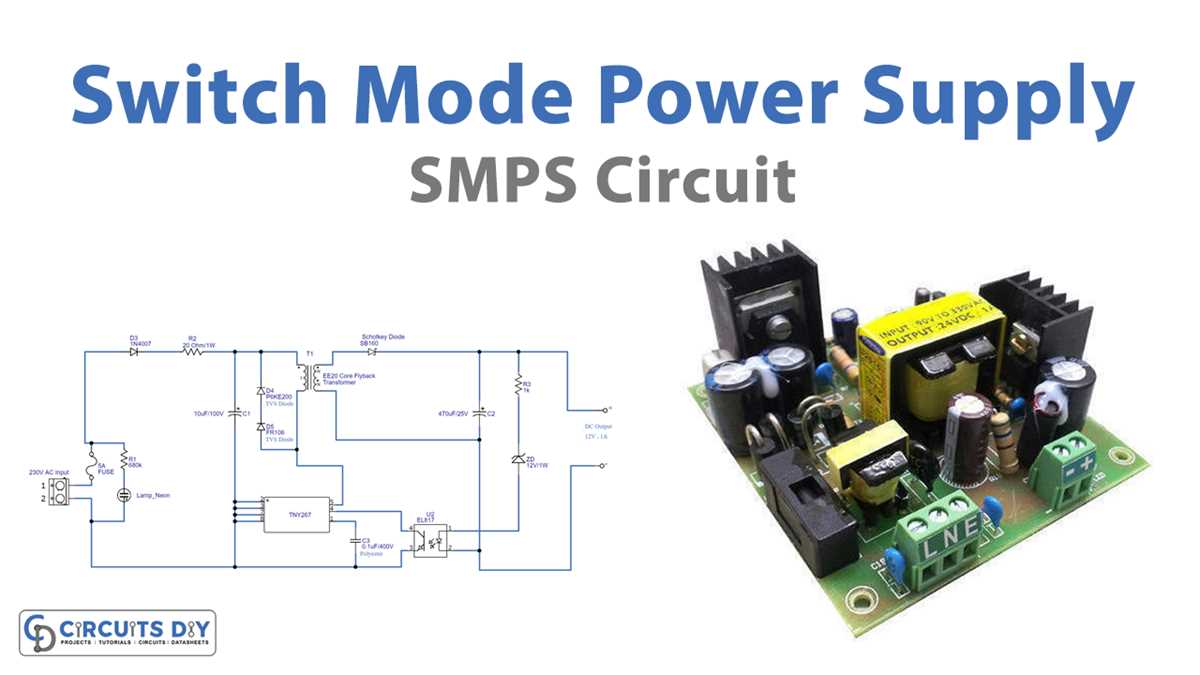
When designing a switching converter, selecting the right transformer and inductors is the first step. These components are responsible for energy transfer between the input and output, with the transformer ensuring that the voltage is adjusted to the correct level. Choose an inductor with the appropriate inductance and current rating for the required output to minimize losses and ensure efficiency. Additionally, the transformer’s core material should be chosen to handle high frequencies with minimal core loss.
The next key components are the switching devices, typically MOSFETs or IGBTs. These transistors control the on/off cycling of the power conversion process. Pay attention to their switching speed, gate drive requirements, and voltage/current ratings. Using a high-quality, low-resistance MOSFET can significantly reduce conduction losses and improve efficiency. Also, selecting a suitable driver circuit is crucial for reliable operation at higher frequencies.
The feedback system is crucial for regulating the output voltage. Opt for a control method that suits the application, whether it be voltage-mode or current-mode. Voltage-mode control is easier to implement but can have slower response times, while current-mode control offers faster response and better transient performance. The feedback loop, usually formed by an operational amplifier or dedicated IC, ensures that the output remains stable and constant under varying loads. Proper decoupling capacitors should also be placed near the feedback components to minimize noise and stabilize the system.
How to Choose Key Components for SMPS Circuit
Start by selecting the correct transformer based on your input and output voltage requirements. The transformer should have a core material suitable for high-frequency operations to minimize losses. Ensure the turns ratio matches the voltage conversion needed, and pay close attention to the current rating. A transformer that can handle the desired peak current without saturating is critical for system stability and efficiency.
Next, focus on the switching devices. Choose MOSFETs with low on-resistance for better conduction efficiency and high switching frequency capability to minimize losses. The gate drive circuit is also vital; it must provide enough voltage to fully turn the MOSFETs on and off quickly. Finally, pick an appropriate feedback control mechanism (voltage-mode or current-mode), as this will affect the overall regulation and transient response of the system.