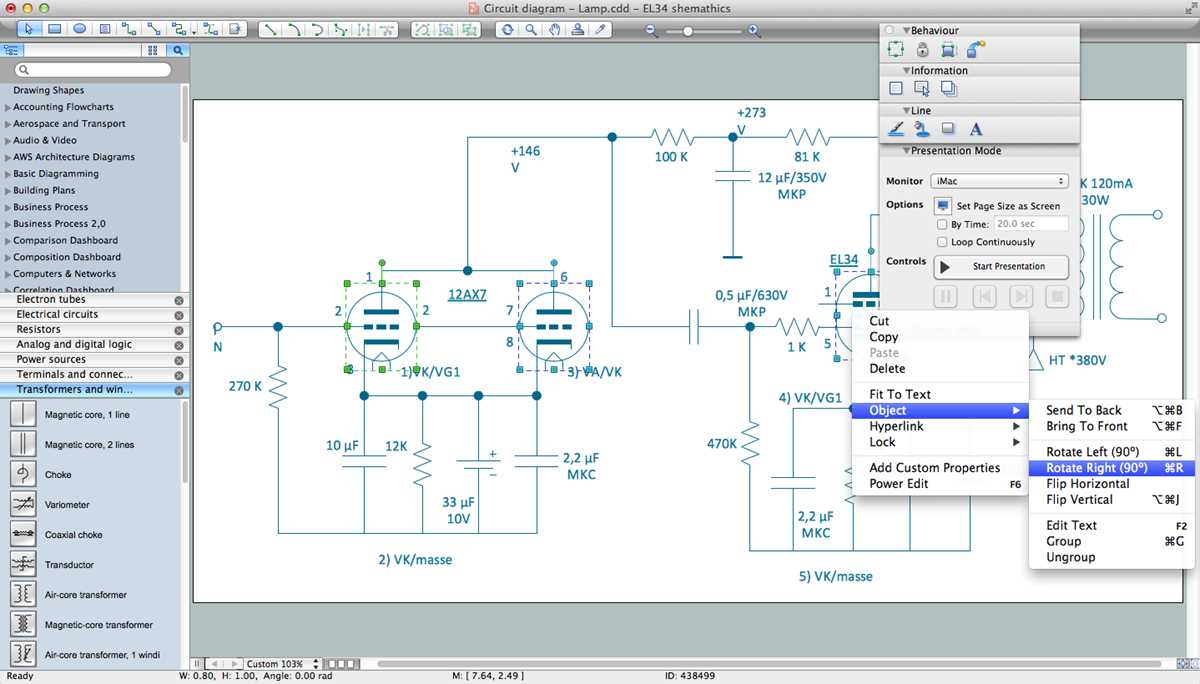
Position components based on voltage requirements and current flow. Align resistors, capacitors, and conductors along clear paths to minimize interference and maintain stable performance.
Label all terminals and connection points distinctly. Use consistent notation for positive and negative leads, and mark high-current paths to prevent overloads during assembly.
Verify all connections using a multimeter before finalizing the layout. Check continuity, resistance, and voltage drops to ensure the design will operate reliably under intended conditions.
Organize elements logically by function. Group power regulation, signal processing, and control sections to simplify troubleshooting and future modifications.
Document each connection with notes or annotations. Record expected values and tolerances next to corresponding components to provide clear guidance for construction or review.
Electrical Circuit Diagram Maker
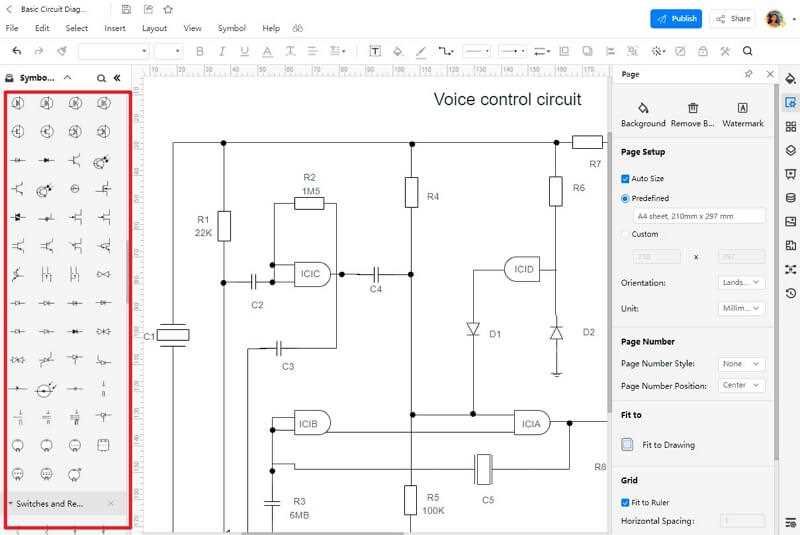
Start by placing all power sources and grounding points clearly. Ensure each connection follows proper voltage and current specifications, and group components by their functional roles to reduce complexity and improve readability.
Label all terminals, connectors, and signal paths precisely. Use consistent symbols and color codes to distinguish between high-current lines, control paths, and feedback loops, and verify each link with a continuity tester before proceeding with assembly.
Setting Up Components and Connection Points
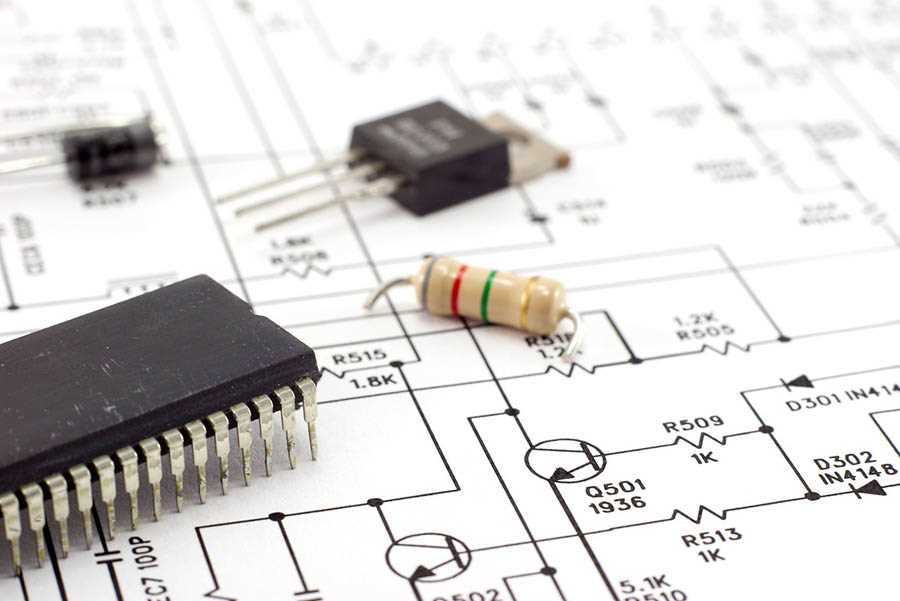
Arrange all resistors, capacitors, and inductors in functional groups. Place high-current components close to power sources to reduce voltage drops and separate sensitive signal elements to prevent interference.
Use standardized connectors and terminal blocks for each input and output. Label each point clearly with voltage, polarity, or signal type to avoid misconnection during assembly.
Position switches, buttons, and control elements where they are easily accessible. Ensure mechanical mounting does not stress the connectors or compromise the electrical contacts.
Keep spacing between conductive paths uniform. Maintain at least the minimum clearance recommended for the voltage level to prevent short circuits or accidental arcs.
Integrate fuses and protection devices at strategic points. Place them near the main power entry and before any critical module to protect both components and the overall assembly.
Check orientation of polarized components before final placement. Incorrect placement of diodes, electrolytic capacitors, or transistors can damage the assembly when powered.
Verify all connection points visually and with a multimeter. Confirm continuity and proper alignment to prevent errors and ensure reliable performance when the system is energized.