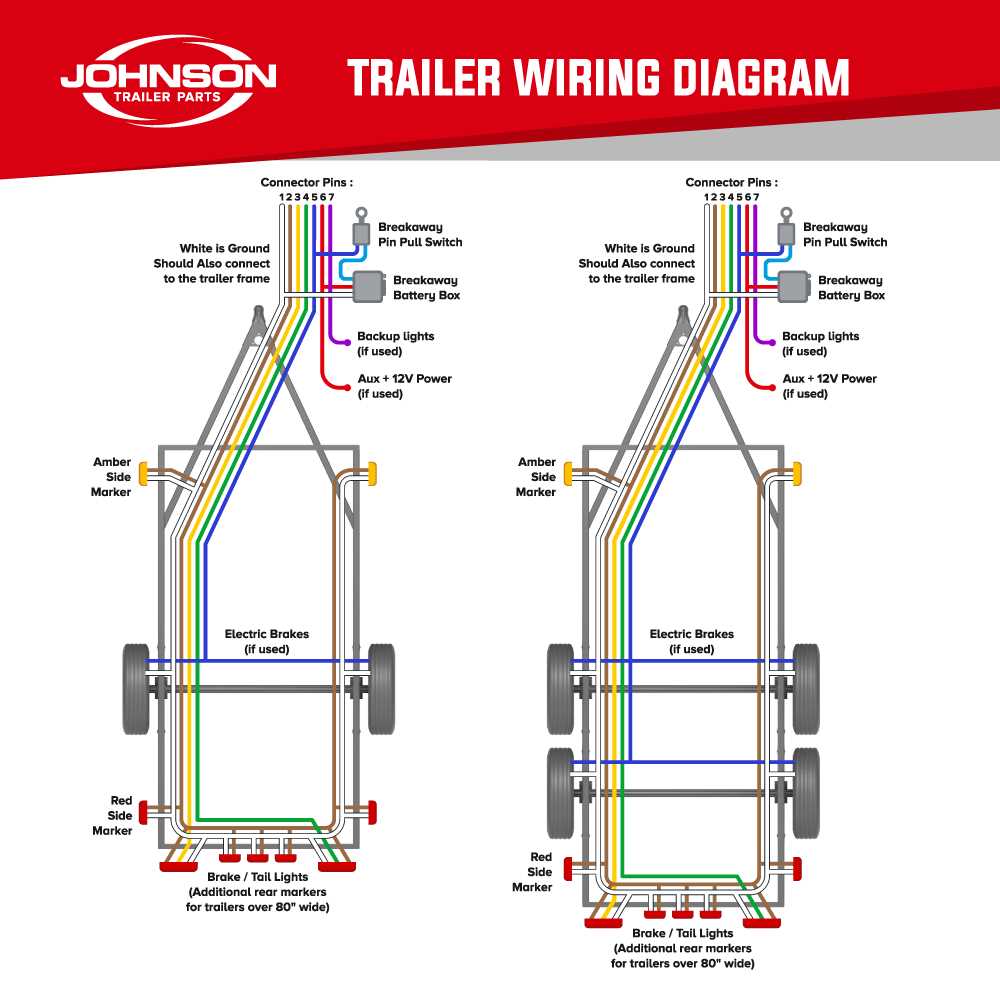
Start by ensuring you have the proper components: a brake controller, a 7-pin connector, and the necessary tools. The most common wiring setup involves connecting the controller to the vehicle’s electrical system and routing the correct wires to the trailer’s braking mechanism. Make sure to check the amperage ratings and confirm that all connectors are securely fastened to avoid any short circuits or faulty connections.
Once you’ve got the components ready, begin by running the wire from your vehicle’s controller to the brake unit. The wire from the controller should connect to the brake’s power lead, while the ground wire from the trailer should be securely connected to the frame of the vehicle to complete the circuit.
Pay close attention to the wire gauge. For longer distances, a thicker wire is recommended to prevent voltage drops. Also, use proper insulation to protect the wiring from the elements and potential wear over time. Once connected, test the system to make sure the braking mechanism responds accurately to the controller’s signals.
Wiring Setup for Proper Functioning of Trailer’s Braking System
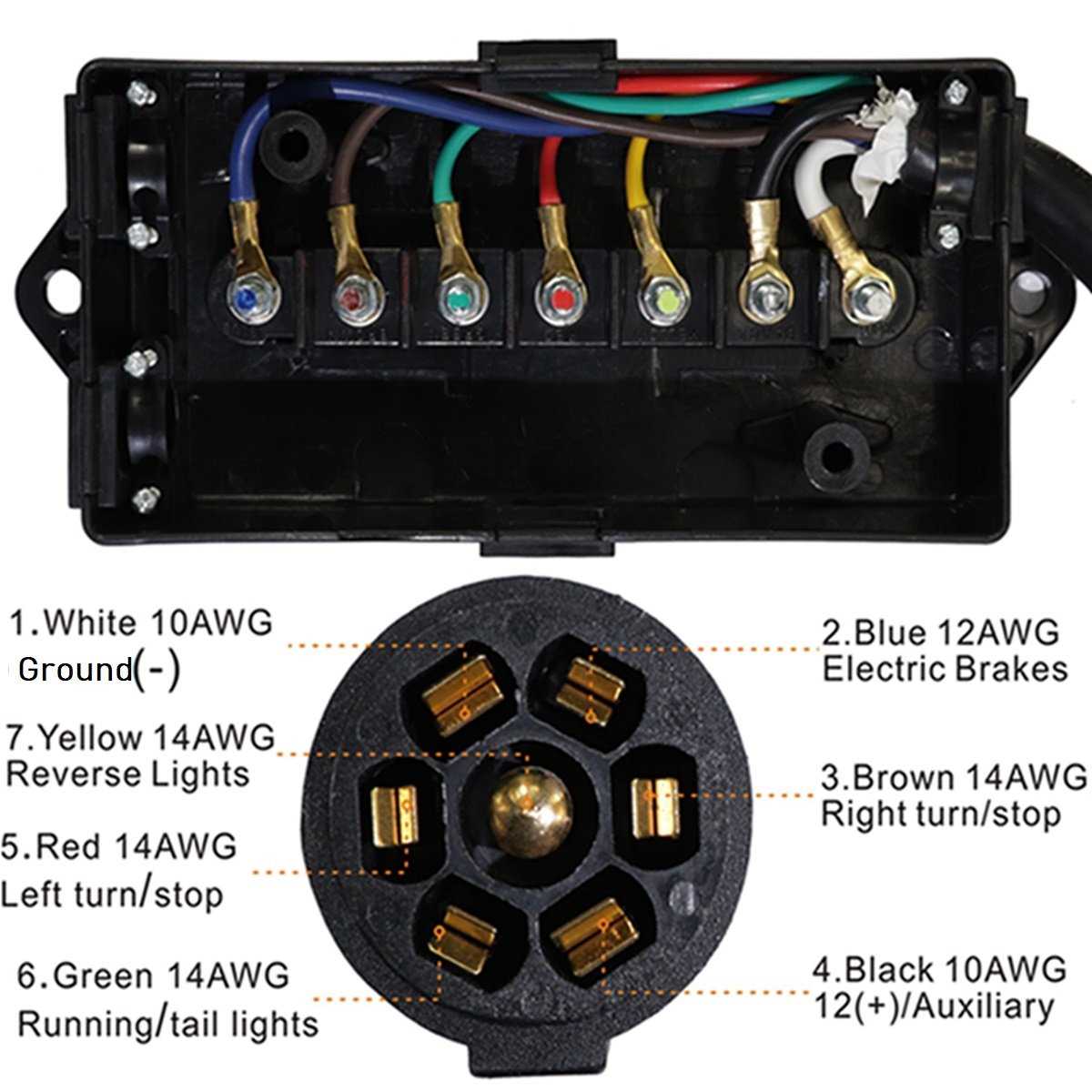
The first step in the setup process is determining the correct type of connector for your vehicle and trailer. A 7-pin connection is most commonly used, as it supports all necessary functions, including brake activation, signals, and charging. Make sure both the vehicle and the trailer are equipped with the same type of connector to ensure a seamless connection.
Once the correct connector is in place, run the brake signal wire from the vehicle’s brake controller to the designated brake wire on the trailer. The brake controller sends the signal to the system, activating the braking mechanism. Double-check that the wire connections are tight and insulated to prevent potential corrosion or short-circuiting.
Grounding the System Properly
Grounding plays a pivotal role in the proper operation of the system. The trailer’s frame should serve as the ground connection. A good ground ensures that the current flows freely, allowing the brakes to function effectively. Make sure the ground wire is securely attached to a clean, unpainted metal area on the trailer’s frame to prevent any disruptions in the circuit.
It’s also important to consider the power rating of the wire you are using. The length of the wire run from the controller to the braking system can cause a voltage drop, particularly if the wire is too thin. To combat this, use a thicker wire, especially if the distance is significant, as it will prevent performance loss and ensure the system responds promptly.
Testing and Troubleshooting the Setup
Once everything is connected, you’ll need to test the system. Apply the brake pedal on the vehicle to see if the braking mechanism on the trailer activates as expected. If the trailer does not respond, check the connections, ensure the ground wire is secure, and verify that the brake controller is functioning properly.
If issues persist, troubleshoot by checking for any damaged wires, loose connections, or faulty controllers. Test each wire’s continuity with a multimeter to ensure there are no breaks in the circuit. In some cases, issues may arise from the connectors themselves, so inspect them for any signs of wear or corrosion.
How to Install Electric Brakes on Your Trailer
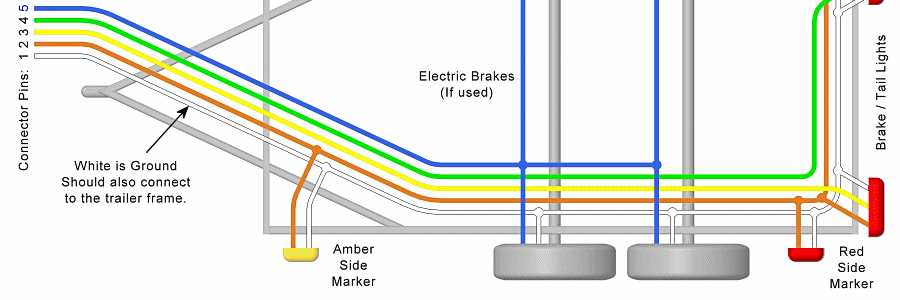
Begin by mounting the braking unit on the axle of the vehicle. Ensure the mechanism is positioned securely and aligned properly, as incorrect positioning can affect braking performance. Once mounted, connect the power wire to the unit’s input terminal and secure it with a wire clamp to prevent movement during travel.
Next, install the control box inside the vehicle. This is where the brake signal will be sent from the vehicle’s braking system to the attached mechanism. Mount the box in a convenient location, typically beneath the dashboard, and ensure it is protected from moisture and dirt.
Run the wire from the brake controller inside the vehicle to the braking system’s power terminal on the axle. The wire must be securely fastened and routed to avoid any contact with hot surfaces or moving parts. For a clean installation, use plastic conduit to protect the wire from abrasions.
The next step is to ground the system properly. Attach the ground wire to the frame of the trailer. Ensure that the surface is clean, unpainted, and free of rust to establish a good connection. If the ground wire is poorly connected, the system may fail to respond when braking is applied.
Now, connect the brake signal wire from the vehicle’s brake controller to the system’s activation lead. This is the key wire that controls when the brakes will engage. Make sure the connection is tight and that the wire is insulated to prevent short circuits.
After making the necessary connections, check the vehicle’s power supply to ensure there is enough voltage to activate the system. Use a multimeter to verify the controller is sending the correct signal. If everything is in order, perform a test by gently applying the brakes and confirming that the braking unit responds.
If the system does not engage properly, check for loose connections or damaged wires. Re-test the power supply to confirm that the vehicle’s brake controller is functioning correctly. If issues persist, inspect the brake controller and replace any faulty components before trying again.