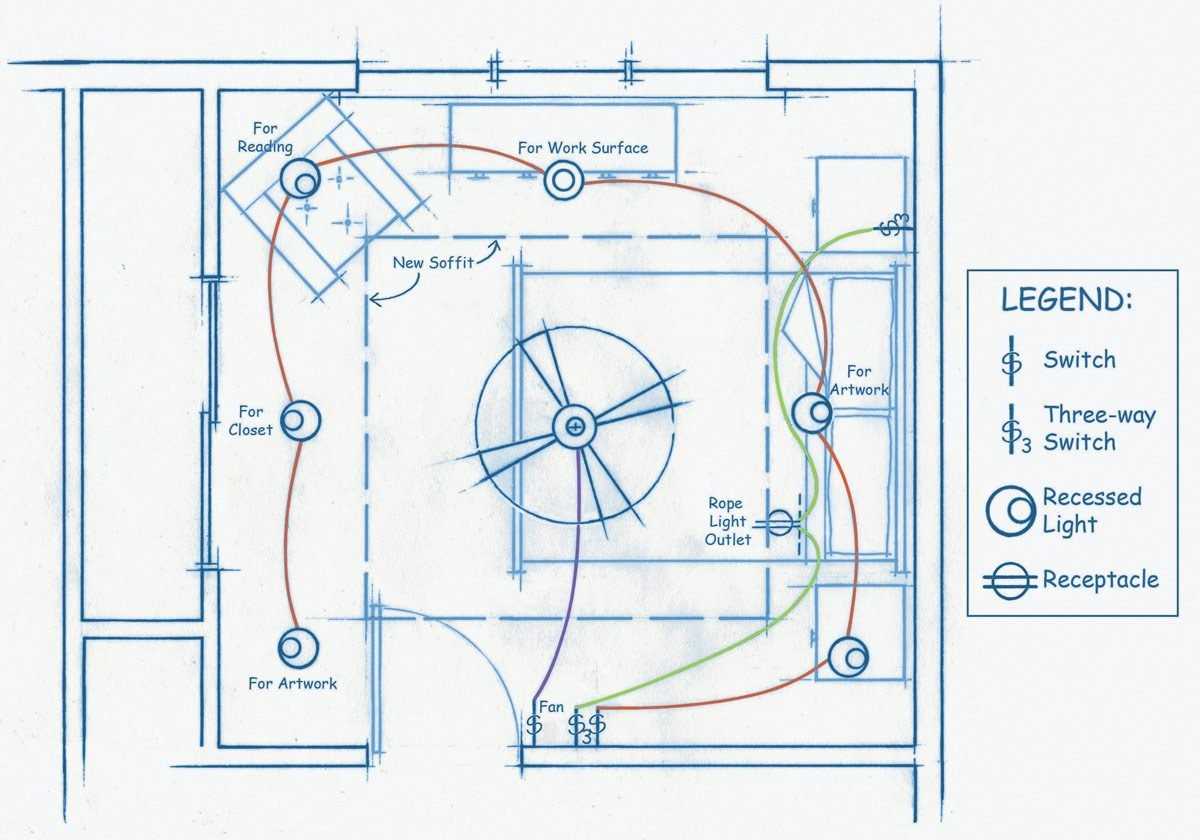
Route line, neutral, and ground conductors along separate channels to reduce interference and prevent accidental contact. Use copper conductors with a minimum cross-section of 2.5 mm² for standard circuits and increase to 4 mm² for high-current devices to maintain voltage stability under load.
Label each terminal clearly at both the power source and receptacle ends. Assign numeric or color codes for each branch to simplify troubleshooting and future expansion. Ensure that line and neutral paths are never reversed, and ground conductors are connected to a dedicated bus or rod.
Install protective devices such as circuit breakers rated for the specific branch load. Maintain at least 20 mm clearance between metal boxes and conductors carrying full current to prevent short circuits. Use insulated clamps to secure all cables and prevent movement under vibration.
Test continuity and resistance on each branch before energizing the system. Record measurements for reference and verify that all connections have low-resistance paths. Confirm that grounding loops are continuous and secure to minimize the risk of shock or leakage currents.
Residential Outlet Connection Guide
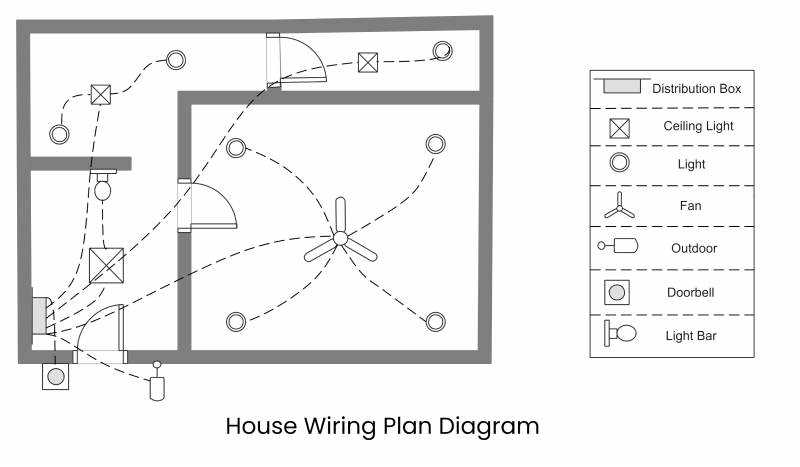
Separate line, neutral, and grounding conductors along dedicated paths to prevent interference and accidental contact. Use copper with a minimum cross-section of 2.5 mm² for standard receptacles and 4 mm² for high-power devices. Secure cables with insulated clamps and maintain at least 20 mm clearance from metal boxes.
Label all terminals clearly using heat-resistant markers or color-coded sleeves. Test continuity and resistance with a low-voltage meter before energizing circuits. Verify that grounding loops are continuous and securely connected to minimize risk of shock or leakage currents during operation.
Choosing Proper Terminals and Conductor Sizes for Outlets
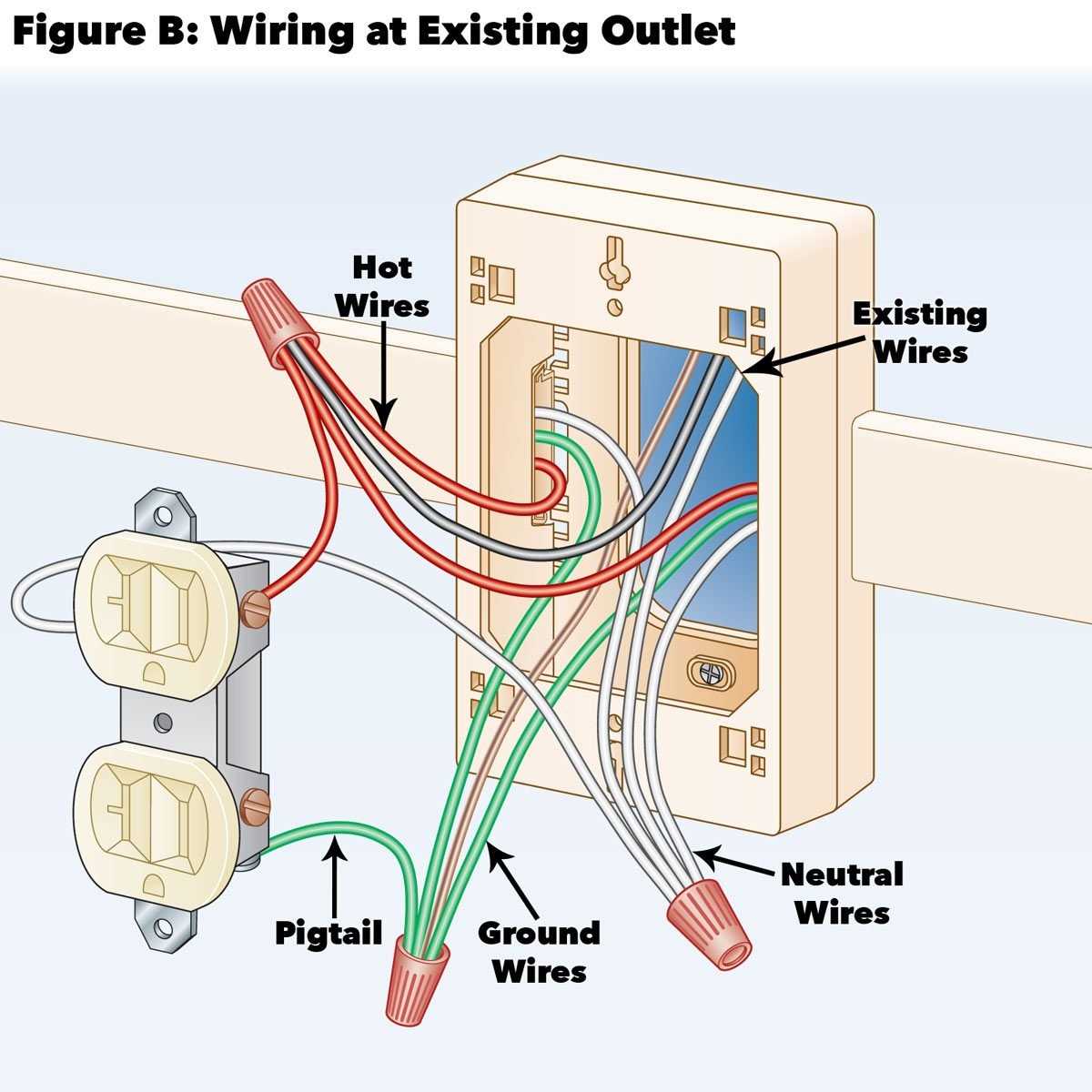
Use gauge-matched conductors for all branches. Standard receptacles require 2.5 mm² copper, while high-current appliances need 4 mm² or larger. Ensure terminals match conductor sizes to maintain low resistance and prevent overheating under continuous load.
Select terminals with secure locking mechanisms such as crimped or screw-type connectors. For line and neutral connections, tin-plated or copper contacts reduce oxidation. Ring terminals are recommended for grounding points to maintain consistent contact and safety compliance.
Testing and Verification
Measure continuity and resistance across all connections before energizing. Positive and neutral paths should show minimal resistance, and grounding loops must be verified for uninterrupted connection. Re-torque screw terminals after initial load to accommodate thermal expansion and ensure long-term reliability.