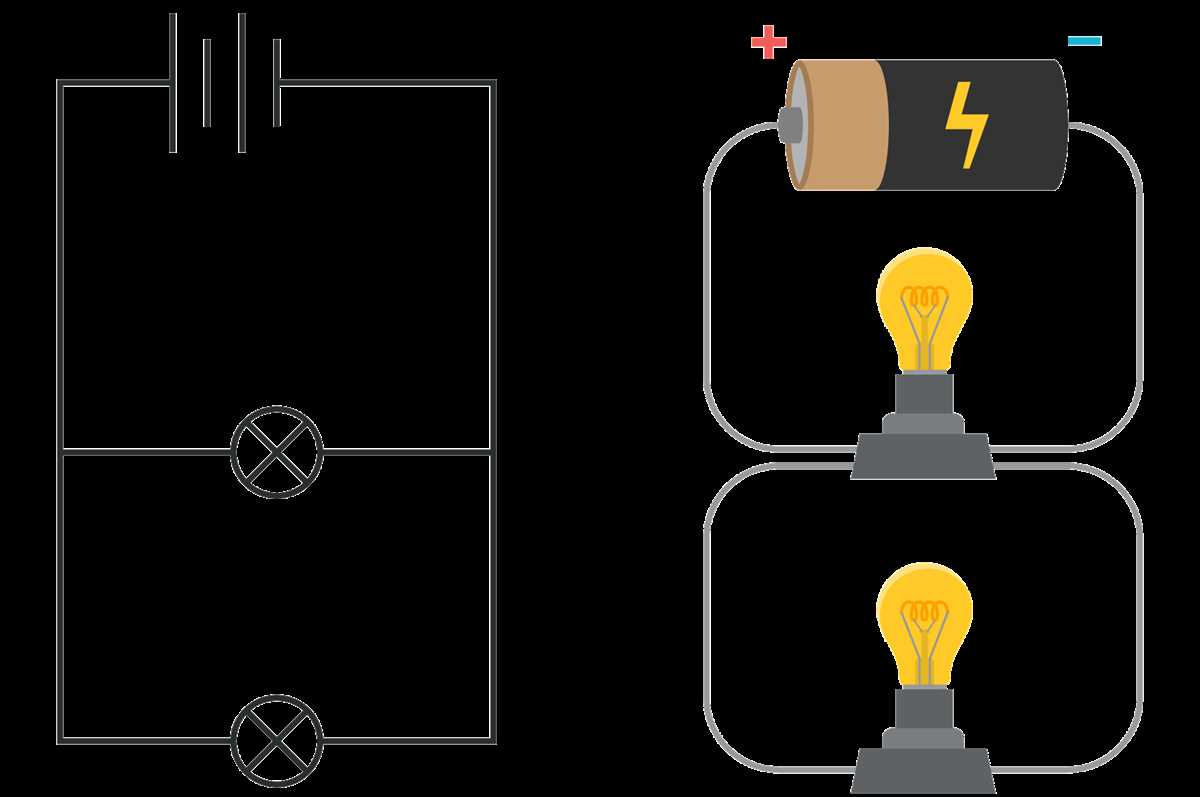
Check the layout of each component before applying voltage to ensure that every branch receives the intended load without overloading any single path. Components arranged in multiple routes allow current to flow through separate tracks, maintaining consistent voltage across each element.
Measure resistance in each line to predict how electricity will divide among the tracks. Using a multimeter, you can identify variations that may affect overall performance and make adjustments to balance the load across all pathways.
Use proper connectors and insulation for every junction point to prevent shorting and maintain stable operation. Correct wiring techniques reduce the risk of overheating and ensure that each element operates within its rated specifications.
Test individual branches before linking the entire assembly to the power source. This approach helps isolate faults and verify that each path functions independently, which is crucial for applications where uninterrupted operation is required across multiple components.
Optimizing Component Layout in Multi-Branch Electrical Paths
Position each resistor, capacitor, and load evenly across separate tracks to maintain balanced voltage distribution. Unequal placement can cause certain elements to overheat while others receive insufficient power.
Verify all junctions with a continuity tester before applying current. A single loose connection can interrupt one branch without affecting others, leading to unpredictable behavior in the assembly.
- Use color-coded wires to distinguish individual branches
- Label each terminal to track voltage drops
- Secure connections with proper soldering or screw terminals
Calculate total resistance for the assembly by applying the reciprocal formula for components connected in multiple paths. This ensures the power supply is capable of handling combined loads without exceeding current ratings.
Check branch currents individually using a clamp meter or inline ammeter. This step identifies uneven distribution and highlights potential weak points that may fail under load.
- Measure voltage across each component
- Compare readings to expected values based on resistance
- Adjust wiring or replace faulty elements if discrepancies occur
Integrate protective elements like fuses or circuit breakers in each track to isolate faults. This prevents a single failure from shutting down all devices connected to the system.
Regular maintenance involves inspecting insulation for wear, cleaning terminals, and verifying that all branches operate independently. Consistent checks extend the lifespan of the assembly and ensure reliable performance under varied loads.
Identifying Components and Connections in Multi-Path Electrical Layouts
Locate each load and energy source by tracing wires from the power supply to every device. Ensure resistors, capacitors, and switches are positioned on distinct tracks to allow current to flow independently through each path.
Inspect all junctions and nodes for secure connections. Use a continuity tester to confirm that each branch is complete and isolated from others, which prevents unexpected shorts or voltage drops that could affect performance.
Label terminals and measure resistance along every line to verify correct wiring. Matching measured values with calculated expectations helps identify misplaced components or faulty connections before activating the assembly.