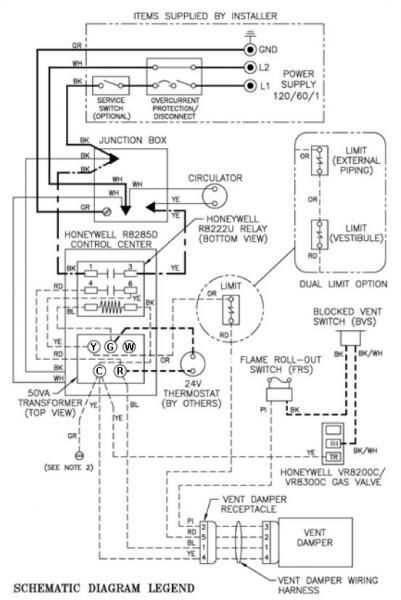
Ensure all terminals are clearly identified before attaching any leads to prevent incorrect voltage flow and potential component damage. Markings on the unit usually indicate live, neutral, and ground points.
Use copper conductors with the proper cross-sectional area for both control circuits and main power connections. Standard recommendation for small residential units is 1.5 mm² for control loops and 2.5 mm² for supply lines.
Route power and sensor leads separately from high-current paths to reduce electromagnetic interference. Maintain at least 50 mm spacing between control and main power runs whenever possible.
Verify continuity and polarity before energizing the system using a multimeter. Check that all fuses and circuit breakers match the unit’s rated specifications.
Label all junction points and terminal blocks with permanent markers or tags to simplify future maintenance. Clear identification reduces the risk of accidental cross-connections.
Follow manufacturer torque specifications for all screw terminals to ensure secure connections. Loose contacts can cause overheating, voltage drops, or intermittent operation.
Step-by-step Guide for Connecting and Configuring Home Heating Units Safely
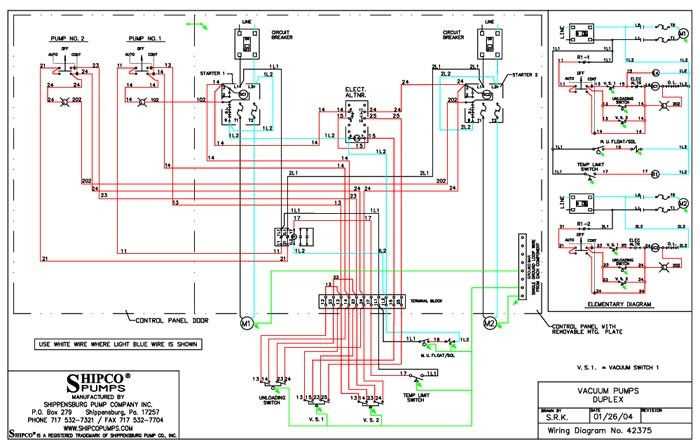
Shut off all power before beginning connections to prevent electrical hazards. Identify each terminal for live, neutral, and earth conductors and mark them clearly. Use a voltage tester to confirm no residual power is present.
Attaching Conductors and Control Lines
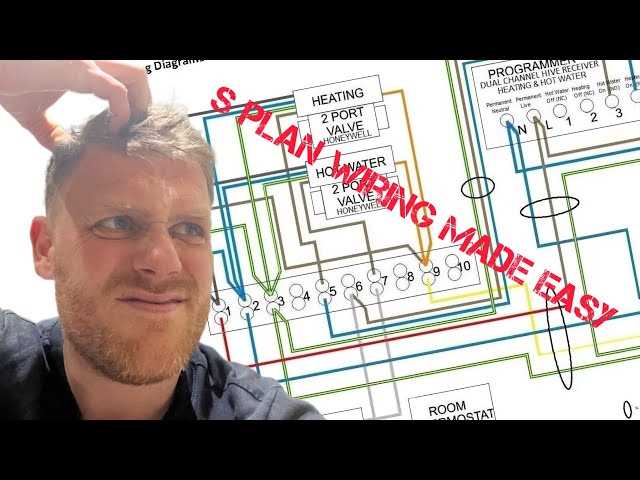
- Select copper leads with cross-section ratings appropriate for the load, typically 2.5 mm² for main supply and 1.5 mm² for sensor or thermostat lines.
- Insert conductors fully into terminal clamps and tighten to manufacturer-recommended torque to avoid loose contacts that can cause overheating.
- Keep control circuits physically separate from high-current paths by at least 50 mm to reduce electromagnetic interference.
Testing and Initial Activation
- Restore supply and measure voltage and continuity at each terminal to verify proper connections.
- Set thermostats and safety cutouts to recommended limits before operation.
- Monitor the system for 15–20 minutes to detect unusual noises, voltage drops, or irregular operation before leaving it unattended.
Identifying Key Terminals and Connections on Standard Boilers
Locate the main power input terminals first and confirm labeling for live, neutral, and earth connections. Use a multimeter to verify voltage ratings, which typically range from 220V to 240V for domestic units. Incorrect identification can lead to short circuits or component damage.
Control and sensor connections
Identify terminals for thermostats, pressure sensors, and flow switches. Label each lead according to manufacturer codes to prevent misconnection. Ensure all sensor wires are insulated and routed away from high-current paths to maintain signal accuracy.
Examine relay and pump connections carefully, as these determine circulation and heating sequences. Check for secure clamping and tight screw terminals. Loose contacts here can result in intermittent operation or overheating of components.
Safety cutouts and auxiliary terminals
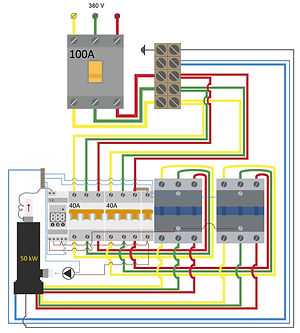
Locate and mark all safety cutouts, such as high-limit switches and low-water cutoffs. Verify that auxiliary terminals for timers or external controllers match voltage and current specifications. Test each connection with a low-voltage continuity check before activating the system.