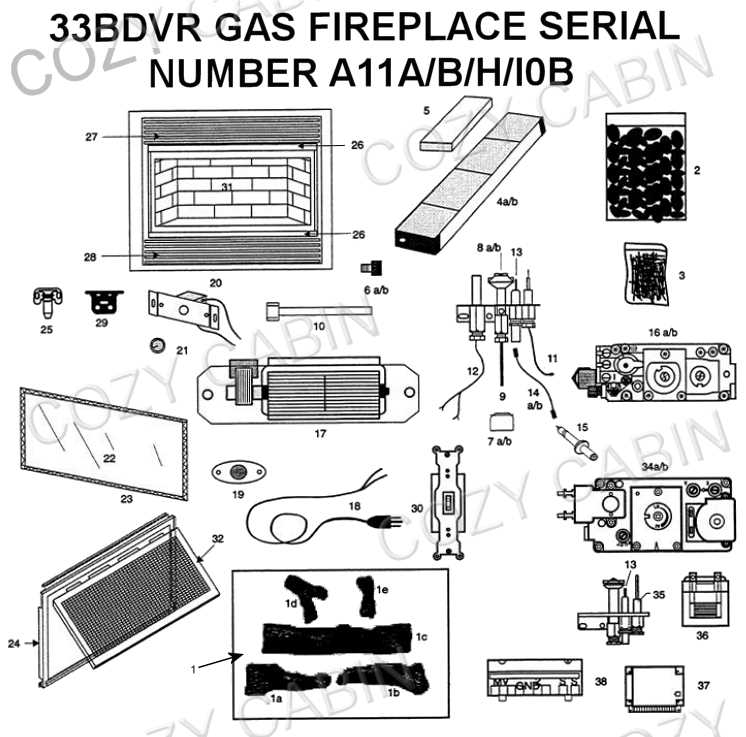
Ensure that your heating system runs smoothly by becoming familiar with the key components inside it. Identifying and maintaining these parts regularly can prevent breakdowns and improve performance.
The burner assembly plays a pivotal role in initiating combustion, while the thermocouple ensures the flame is ignited safely. Inspecting these components and understanding how they interact will guide you through troubleshooting common issues like inconsistent heating or pilot light failures.
Regular cleaning of the air intake and exhaust system helps maintain airflow and keeps the system operating efficiently. Replacing worn-out components, such as the ignition system or gas valve, when needed will keep everything functioning optimally. Follow these steps and stay ahead of any possible issues to extend the life of your unit.
Gas Heating Unit Components and Maintenance Guide
To maintain optimal performance of your heating system, regularly inspect key components. Begin by checking the burner assembly for any signs of wear or obstruction. If you notice inconsistent flames or difficulty igniting, consider cleaning the burner or replacing it if needed.
The thermocouple is another critical part that ensures the safe ignition process. Test it for proper function by checking the pilot light. If it fails to ignite, the thermocouple may need replacement. It’s also recommended to keep the ignition system clean from dirt and debris to ensure smooth operation.
Inspect the gas valve and regulator for leaks. Tighten connections or replace the valve if you detect any signs of leakage. Ensure the air intake and exhaust system are free from blockages to maintain airflow, which helps with combustion efficiency.
Perform regular cleaning of all components and replace any worn-out elements like seals, gaskets, and the fan assembly. Following these maintenance steps will prolong the lifespan of your heating unit and keep it running safely and efficiently. Always consult a technician for professional servicing when in doubt.
How to Identify and Replace Common Heating Unit Components
Start by inspecting the burner assembly for signs of wear or debris. If the flame is uneven or the unit fails to ignite, clean the burner. If this doesn’t resolve the issue, replacing the burner may be necessary.
The thermocouple is a key component that ensures the system operates safely. Test the thermocouple by checking the pilot light. If it fails to stay lit, replace the thermocouple to restore ignition function.
Next, examine the gas valve for any signs of leakage or wear. If the valve is not functioning correctly, it can cause gas to leak, leading to safety concerns. Tighten connections or replace the valve if needed.
Check the fan assembly and air intake for dust buildup. A clogged fan can reduce efficiency and cause overheating. Clean the fan regularly and replace it if it fails to spin properly.
Regular inspection and timely replacement of components like seals and gaskets will help maintain optimal performance. Always use compatible replacements and follow the manufacturer’s guidelines for installation and maintenance.
Step-by-Step Instructions for Cleaning and Servicing Heating Unit Components
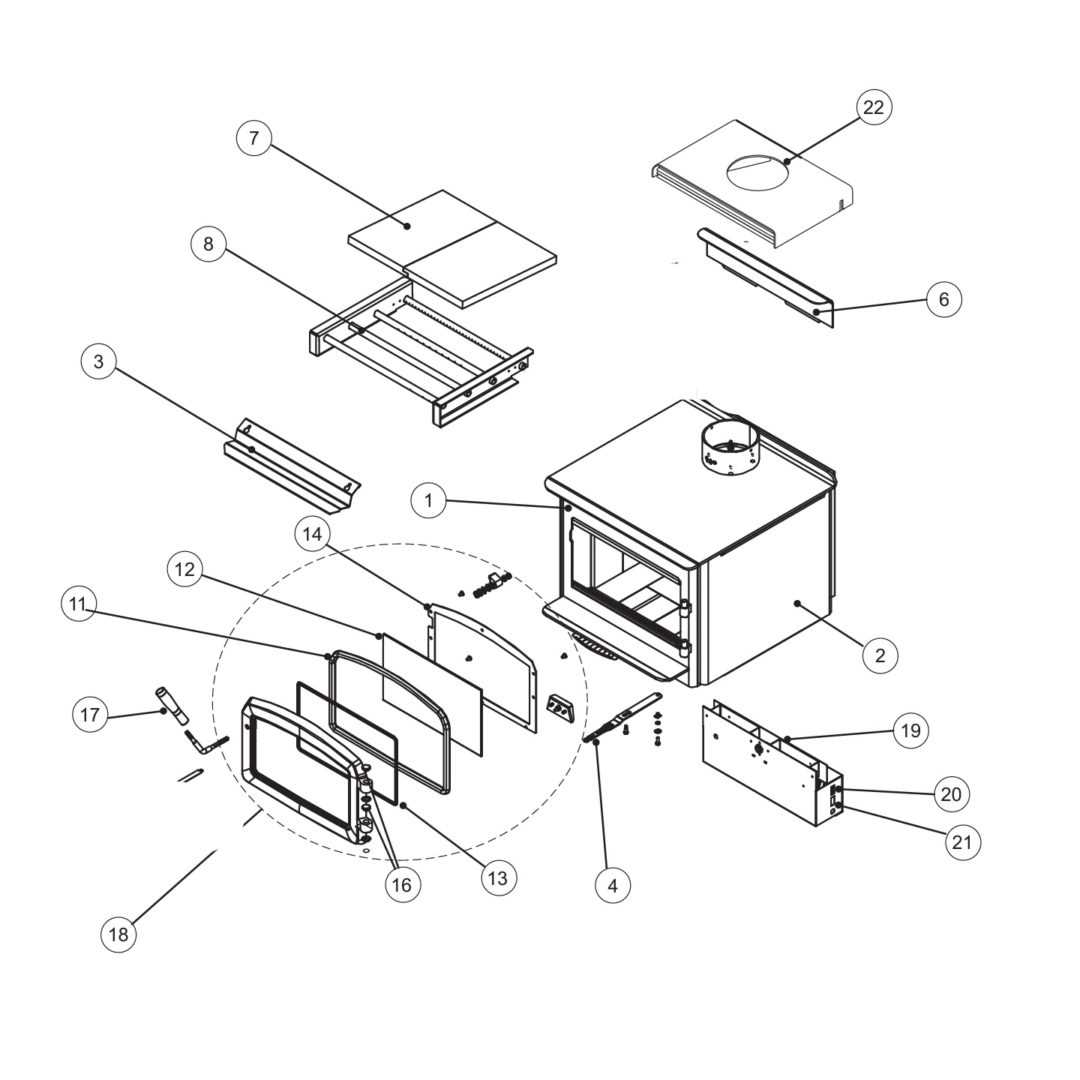
First, turn off the power supply and ensure the system is completely cool before starting any maintenance work. This ensures safety and prevents injury during the cleaning process.
Start by removing the front cover or panel to access the interior components. Use a soft brush to remove any dust or debris from the burner assembly and other exposed parts. Avoid using water, as it can damage sensitive components.
Next, clean the pilot light area by gently brushing it with a small wire brush. Inspect the flame for any irregularities, which could indicate blockage or dirt buildup. If necessary, replace the pilot light assembly.
For the thermocouple, use a cloth or a small brush to wipe off any dirt or corrosion. If cleaning does not improve its performance, replace the thermocouple to restore the system’s ignition capabilities.
Clean the fan assembly and ensure no debris is obstructing the blades. Remove any dirt or dust from the fan and check its rotation. If the fan fails to operate smoothly, replace it with a compatible unit.
Inspect the seals and gaskets around the unit for any wear or cracks. Replace damaged seals to prevent gas leaks and ensure the system operates efficiently.
Finally, check all connections for tightness, particularly the gas supply. Tighten any loose connections and look for signs of leaks. If you detect any issues, consult a professional to handle gas-related repairs.