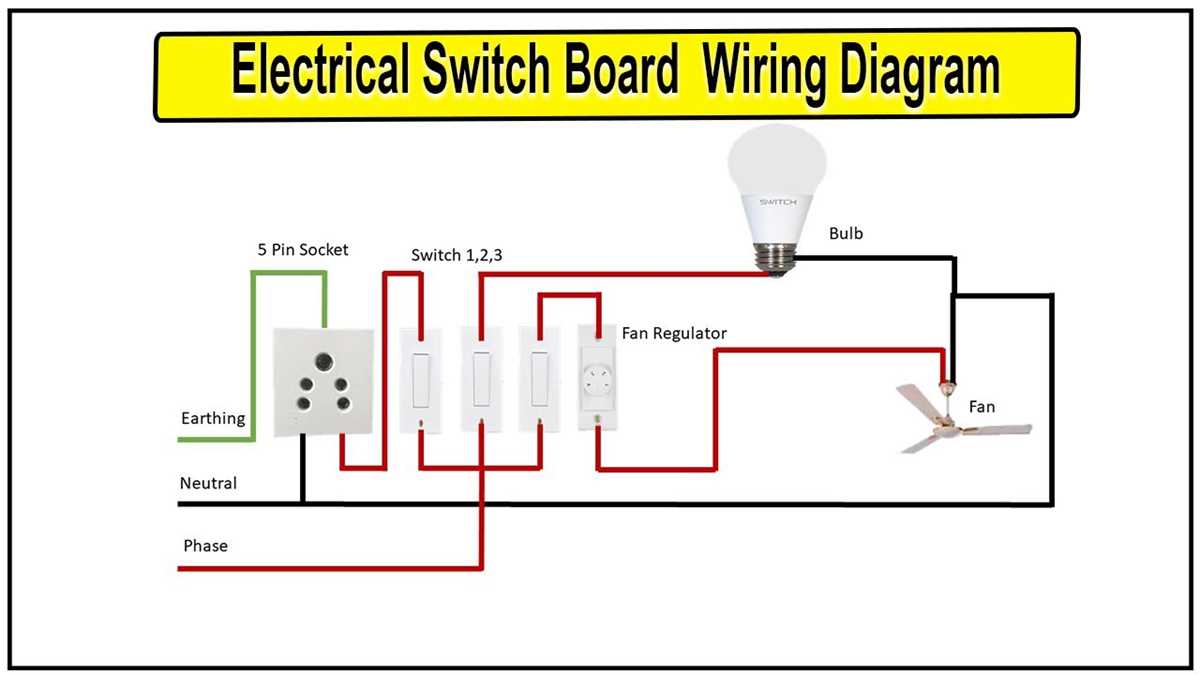
Place busbars in a horizontal configuration to reduce voltage drop across circuits and simplify component placement. Use copper with a minimum cross-section of 10 mm² for feeders handling up to 63 A; increase to 25 mm² for currents exceeding 100 A. Ensure all terminations are torque-tightened to prevent overheating during peak loads.
Label all conductors with heat-resistant markers corresponding to the incoming and outgoing feeders. Group circuits by function–lighting, HVAC, and machinery–to maintain organized pathways and reduce electromagnetic interference. Employ color-coded insulation for phase identification: brown, black, grey for phases and blue for neutral.
Install protective devices with coordinated trip characteristics. Assign miniature breakers for low-power branches and molded-case breakers for high-current feeders. Consider using residual-current modules for circuits supplying wet areas or metal enclosures to prevent leakage hazards.
Maintain minimum clearances between terminals and metal enclosures: 20 mm for low-voltage lines and 50 mm for lines above 400 V. Secure all cables using insulated clamps and avoid sharp bends that could stress conductors. Incorporate grounding bars connected with 16 mm² copper braid for uniform earthing across the panel.
Plan distribution paths to facilitate future expansions. Reserve empty ducts and conduit channels, and ensure routing avoids heat sources like transformers or high-current bus segments. Use ferrules on wire ends to ensure reliable connections, especially for multi-stranded conductors prone to fraying.
Connection Guide for Safe Layout and Load Distribution
Route feeders along dedicated channels and maintain at least 25 mm separation between high-current lines and low-voltage signal circuits. This prevents heat accumulation and reduces the risk of cross-interference that can trigger false trips or component damage.
Balance loads by calculating amperage per phase and distributing machinery and lighting circuits evenly. For three-phase networks, keep phase currents within ±10 % of each other to avoid neutral overloading and voltage imbalance.
Use modular terminals with marked input and output points to simplify maintenance. Ensure all connections are torque-tightened according to manufacturer specifications: typically 2.5–3 Nm for 2.5 mm² conductors and up to 10 Nm for conductors above 16 mm².
Integrate protective barriers between high-voltage components and control devices. Transparent polycarbonate shields allow visual inspection without exposure, while maintaining a minimum 20 mm clearance for finger-safe operation.
Grounding and Safety Measures
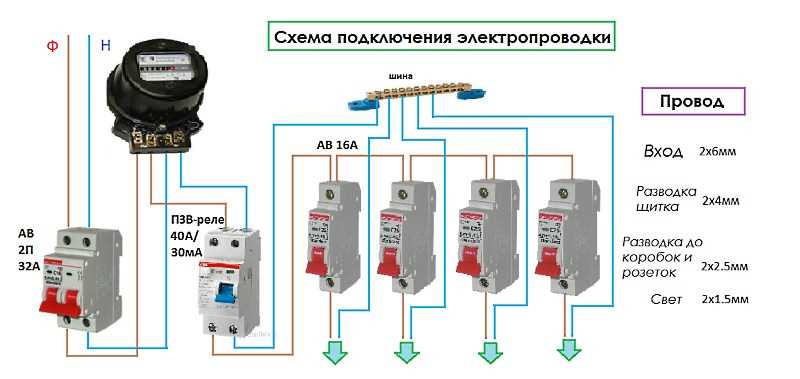
Connect all metallic frames to a common earthing bus using 16–25 mm² copper braid. This reduces potential differences across devices and prevents hazardous voltage in case of insulation failure.
Plan emergency shutdown paths with clearly labeled breakers and switches. Position manual trip levers at eye level and maintain unobstructed access for quick disconnection during maintenance or fault conditions.
Reserve spare channels for future expansion or additional sensors. Use flexible conduits with pull strings to allow easy insertion of extra conductors without dismantling existing connections, ensuring uninterrupted operation of current loads.
Identifying Terminals and Busbar Connections
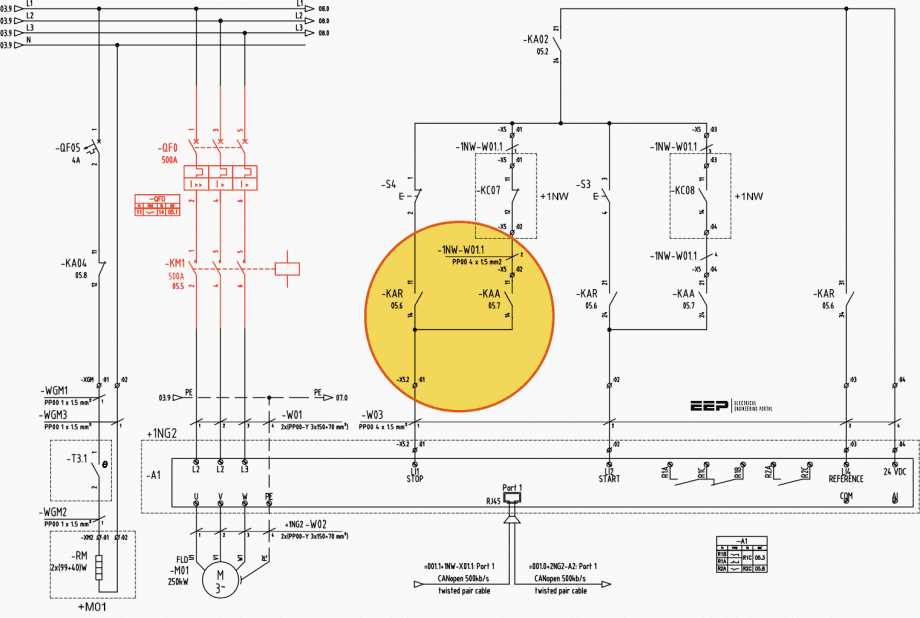
Mark each termination point with a unique code using heat-resistant labels. Use numeric identifiers for feeders and alphabetic codes for outgoing branches to simplify troubleshooting and prevent cross-connections.
Inspect busbars for uniform surface finish and ensure all contact points are free from oxidation. Use copper or aluminum strips with a minimum thickness of 5 mm for currents up to 125 A, increasing to 10 mm for higher loads.
Group terminals according to circuit function–control, protection, or measurement. Maintain a minimum 10 mm spacing for low-voltage circuits and 20 mm for lines exceeding 400 V to prevent accidental shorts or arc faults.
Secure connections with the proper torque. For 4 mm² copper conductors, tighten to 2.5 Nm; for 35 mm², increase to 12 Nm. Recheck torque after initial energizing to compensate for thermal expansion and settling of connectors.
Color Coding and Insulation
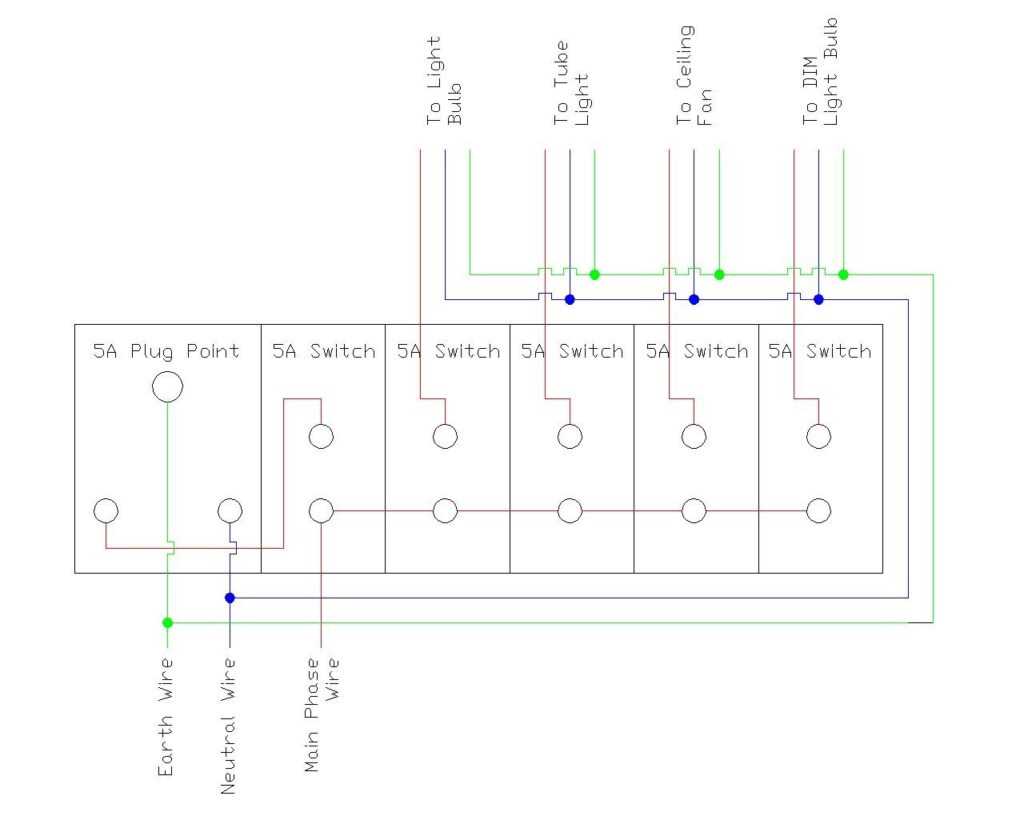
Apply color-coded sleeves for each phase: red, yellow, and blue for three-phase lines, black for neutral, and green/yellow for protective ground. This reduces errors during maintenance and allows rapid identification under dim lighting.
Verify continuity between busbars and corresponding terminals using a low-resistance tester. Record values for each segment to detect hidden high-resistance joints or loose connections before energizing the assembly.
Use insulating barriers between adjacent busbars and between terminals of opposite polarity. Transparent polycarbonate partitions allow inspection without exposure, while maintaining a minimum 12 mm separation for voltages up to 600 V.