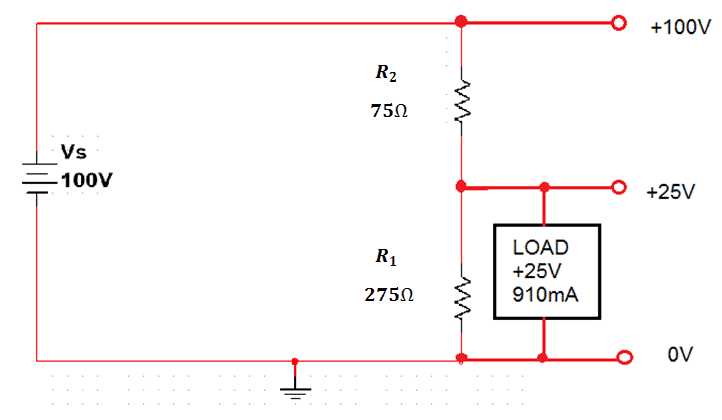
Calculate resistor values precisely to achieve the desired output levels. Use the formula for series and parallel combinations to maintain proper load distribution and avoid excess current through any component.
Connect the supply to the input terminals carefully to ensure polarity matches the expected configuration. Incorrect connections can cause uneven output and may damage sensitive components.
Measure output with a multimeter before connecting loads. Confirm that each branch delivers the expected energy level, and adjust resistor values if deviations exceed 5 percent of the target.
Secure all connections firmly to prevent intermittent contacts. Loose leads can create voltage fluctuations, resulting in unreliable performance or overheating of resistive elements.
Voltage Splitter Circuit Guide for Correct Connections and Output Control
Determine the required energy levels for each branch before assembling the network. Calculate the appropriate resistor or impedance values to achieve consistent division without overloading any pathway.
Connect input terminals carefully according to polarity and rated supply limits. Reversing connections can lead to uneven outputs or damage to sensitive components connected downstream.
Check continuity and resistance along each branch before powering the system. Use a multimeter to ensure all leads are properly connected and that there are no shorts or open circuits.
Secure all leads and fasteners to maintain stable contacts. Loose connections can introduce fluctuations in output levels, reducing accuracy and increasing the risk of overheating.
Measure outputs under no-load conditions first to verify calculated values. Adjust resistances or connections as needed to achieve the target levels, keeping deviations within 5 percent for precise performance.
Monitor temperature during operation since resistive elements can heat up under continuous load. Ensure adequate ventilation or heat sinks are in place to maintain safe and consistent output across all branches.
Choosing Resistor Values for Accurate Voltage Division
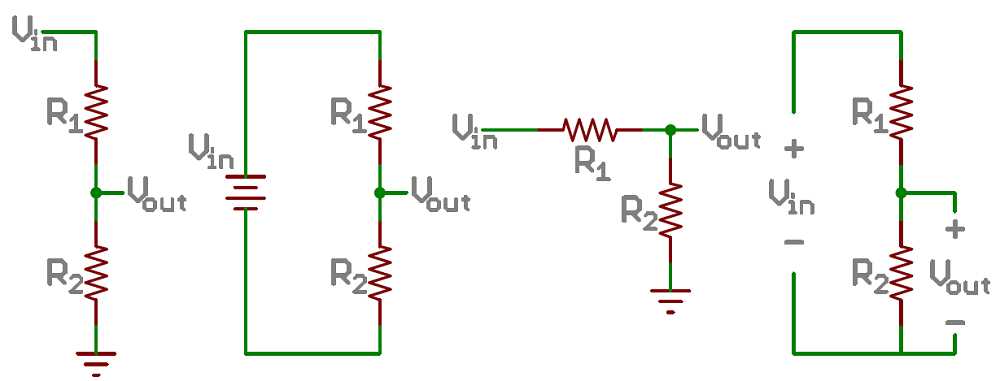
Select resistors based on load requirements to maintain consistent energy levels across each branch. Consider the expected current draw and ensure resistances are rated to handle the power without excessive heat buildup.
Calculating Series and Parallel Combinations
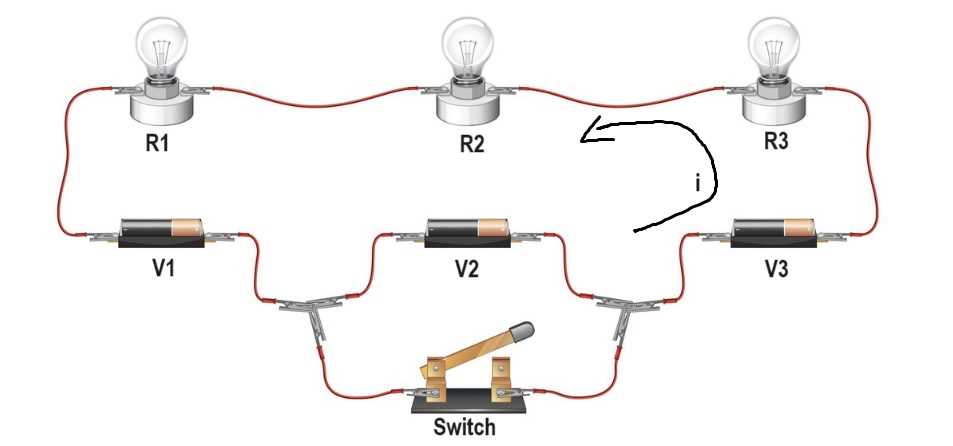
Use formulas to determine combined resistance when arranging components in series or parallel. For series connections, sum the individual resistances, and for parallel, apply the reciprocal formula to achieve precise division of supply.
- Identify target output for each branch.
- Calculate necessary resistance using Ohm’s law.
- Choose standard resistor values closest to calculated numbers.
- Verify that total power dissipation does not exceed component limits.
Testing and Adjusting Resistor Values
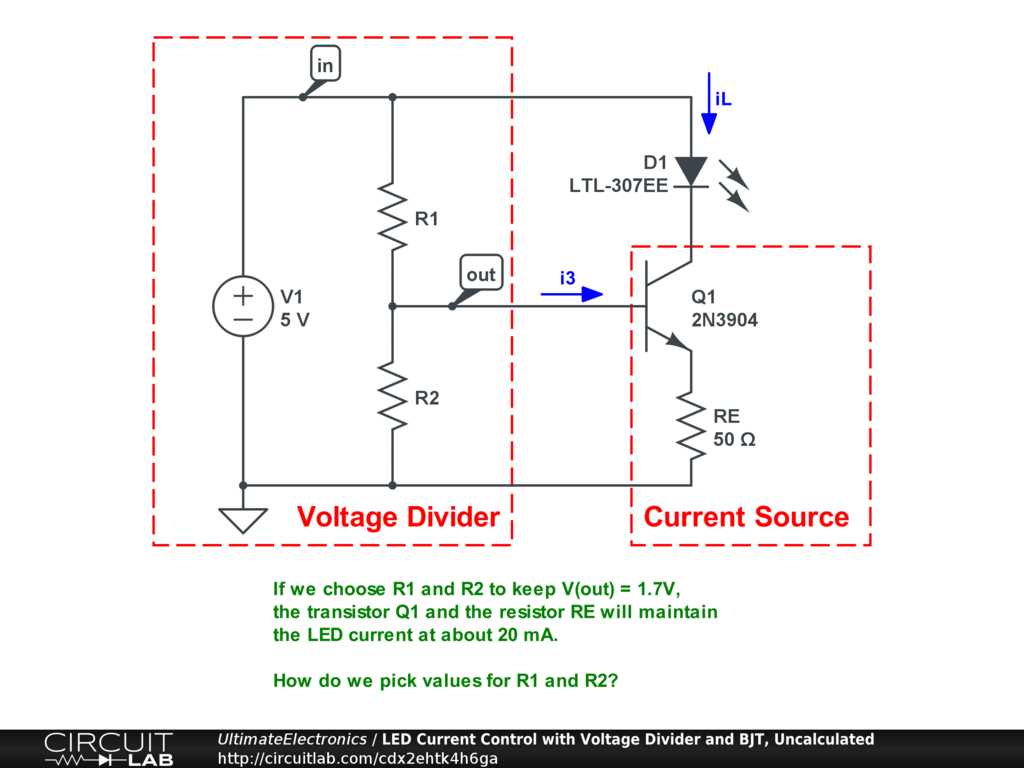
Measure outputs under no-load conditions to confirm the selected resistors provide correct energy levels. Adjust values slightly if measurements fall outside acceptable tolerance, ensuring stable operation under full load.