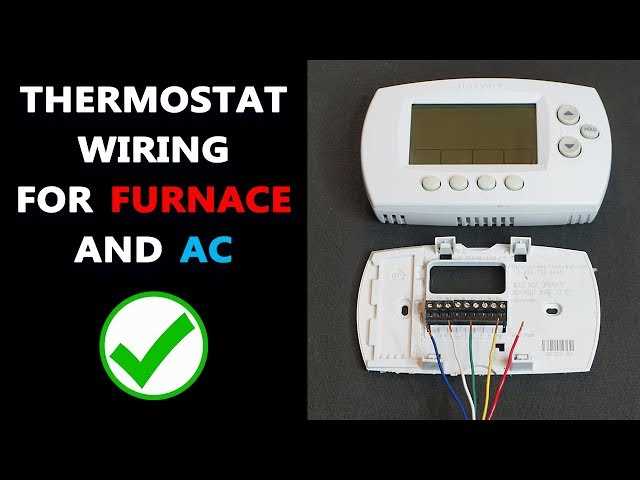
If you’re connecting a heating unit to a temperature control device, the process can be straightforward with the right knowledge. Begin by identifying the necessary connections: the heating unit will have a set of terminals that align with specific wires from the temperature regulator. These are typically labeled and should be linked properly for proper operation.
The first step is to ensure the power is off before any work begins. This safety precaution protects you from electrical shock and equipment damage. Then, ensure that the control system is correctly set up to regulate the desired room temperature. Follow the manufacturer’s instructions for wiring, ensuring each wire is attached securely and connected to the corresponding terminal on both the heating element and the temperature controller.
After ensuring the connections are properly made, test the system by powering it back on. Adjust the temperature on the control unit and observe if the heating unit responds as expected. This check ensures the correct flow of electricity through the components and that the system functions as it should.
Heating System Control Wiring Guide
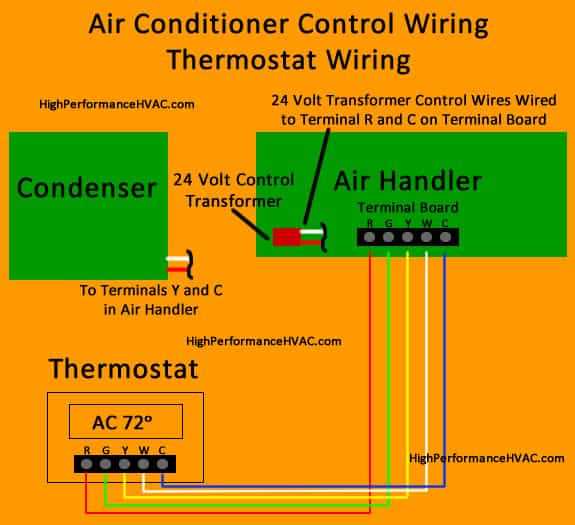
To properly connect your heating unit to its control system, start by identifying the terminals on both the heating device and the temperature control. Ensure you have the correct tools and safety equipment before proceeding with any installation. Always double-check that the power is turned off to avoid electrical hazards.
Each wire corresponds to a specific function: the heating element, the control device, and the electrical source all have dedicated terminals. Typically, you’ll be working with a set of color-coded wires, with each color representing a different type of connection. Refer to the device manual to identify the terminals: the “R” terminal is usually for the power input, while the “W” terminal typically connects to the heating element.
For most systems, the “C” terminal serves as the common ground, which completes the circuit. Ensure that each wire is securely fastened to its respective terminal. Loose connections can result in operational failures or damage to the system.
Once the physical connections are made, double-check them to ensure no wires are crossed or misconnected. This can prevent unnecessary short circuits or malfunctioning. If you’re unfamiliar with the wiring scheme, consult the manufacturer’s wiring guide to match the wiring to the correct terminals.
Test the system by restoring power and adjusting the temperature control. Observe whether the unit responds as expected, heating up when the control setting calls for it. This will confirm that the connections are made correctly and the system is functional.
If you encounter any issues during testing, such as the unit not responding to the temperature control, check for faulty connections or malfunctioning components. It’s also helpful to verify that the control system is compatible with the heating unit’s voltage and current requirements. If problems persist, it may be best to contact a licensed technician for further inspection and troubleshooting.
Understanding the Common Connections for Heating Control
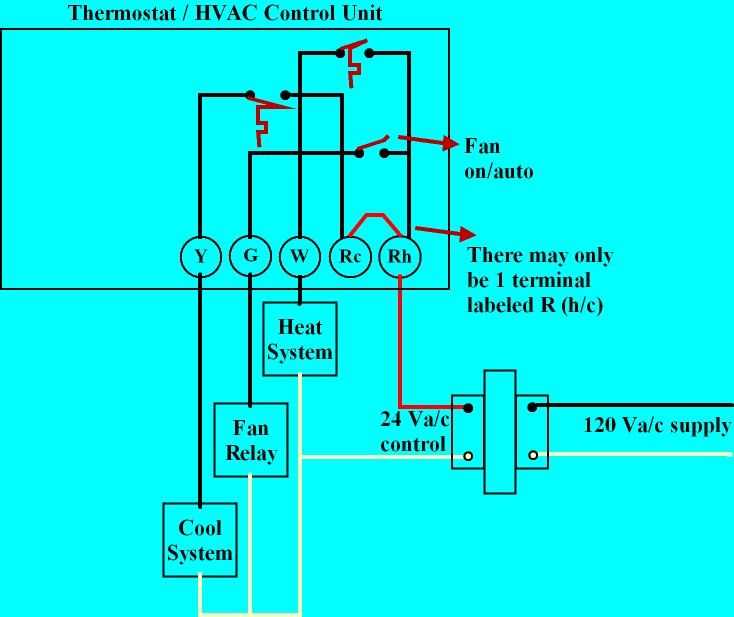
Each temperature control device typically has several terminals that connect to different components of the heating system. The most common terminals you will encounter are the “R,” “W,” and “C” terminals. The “R” terminal is usually for the power supply, often connected to the main electrical source. This terminal should always be energized when the system is operating.
The “W” terminal connects to the heating unit itself. This is where the signal is sent to activate the heating element when the desired temperature is reached. Ensure that the wire connected to the “W” terminal is properly secured to prevent intermittent connections that could lead to system malfunctions.
The “C” terminal serves as the common connection. This wire typically provides the return path for current when the system is active. If your control system requires constant power to maintain settings, the “C” terminal will be essential for providing a steady current supply.
In addition to these standard terminals, there are often other terminals such as “Y” or “G.” The “Y” terminal is used for cooling units, controlling air conditioning or refrigeration systems when necessary. If your system does not include cooling, this terminal is not needed. The “G” terminal connects to the fan and controls when the fan should turn on or off depending on the temperature settings.
Before connecting wires to any terminal, verify that each wire is color-coded or labeled appropriately. This will help ensure that you’re matching each wire to its correct connection point. Improper wiring could cause short circuits, damage to the unit, or inefficient operation.
If you are unsure about which wires to use or how to connect them, always consult the user manual for your specific control system. Each manufacturer may have slight variations in wiring, and using the wrong connections can result in system failure. If necessary, reach out to a licensed technician for assistance with installation or troubleshooting.