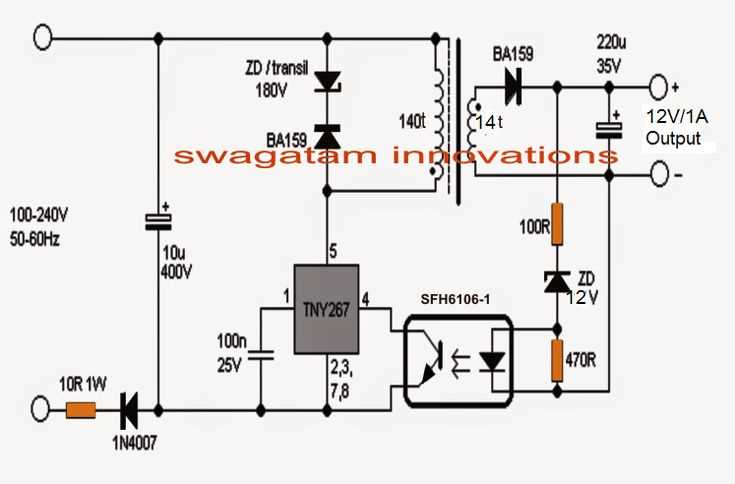
Start by gathering the key components for your power supply setup: a transformer, rectifier, filtering capacitors, and voltage regulation components. The transformer is responsible for stepping down the input AC voltage to the required level, while the rectifier converts it into DC. Be sure to select the right type of diode for your application to prevent reverse currents that could damage the circuit.
Once the DC signal is rectified, use capacitors to smooth out the ripple caused by the rectification process. These capacitors help stabilize the voltage before it reaches the regulator. The selection of proper capacitance and voltage ratings is critical to avoid overheating or inadequate performance of the power supply.
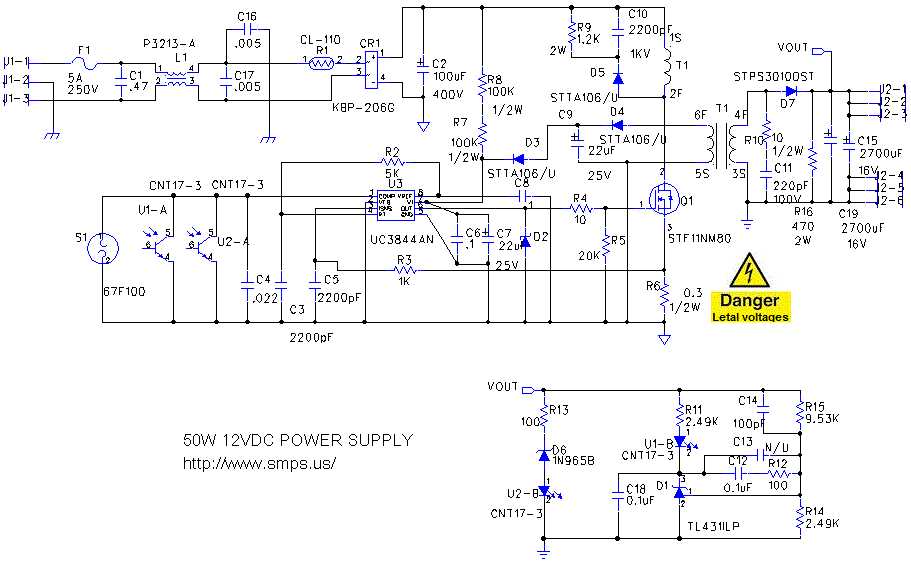
Next, the regulator will maintain a consistent output voltage. For a stable 12V output, choose an appropriate linear or switching regulator based on your efficiency and power requirements. Linear regulators are simple but less efficient, while switching regulators are more efficient but require more complex design considerations.
To ensure that your power supply works reliably, test the components individually before final assembly. Check the input and output voltages at various stages, and ensure the system remains stable under load. Pay attention to temperature rise in components like the transformer and regulator, as excessive heat could indicate poor design or insufficient cooling.
After assembling the power supply, conduct a thorough test under load conditions. This will help identify any instability in the voltage or excessive heat buildup. If necessary, adjust the component values or layout to optimize performance. Proper grounding and shielding are also key to preventing noise and ensuring long-term stability of the system.
12V Power Supply Design Guide
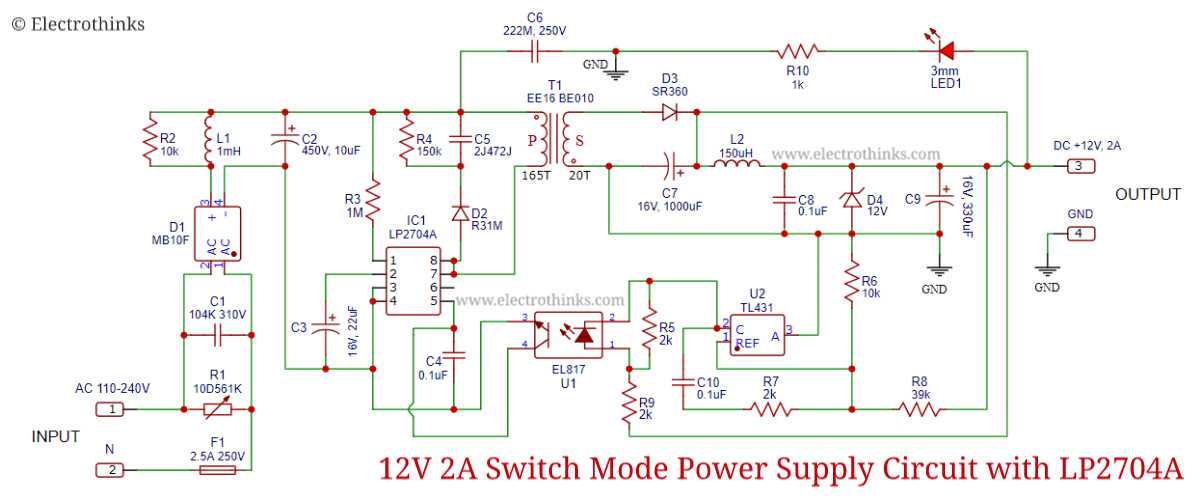
Start by selecting the transformer that suits the required output voltage. For a typical 12V output, choose a transformer with a higher primary voltage, ensuring it can handle the desired current load. Make sure the transformer’s secondary side delivers enough amperage for your system’s needs.
Next, connect a bridge rectifier to convert the AC voltage from the transformer to DC. The four diodes in the bridge rectifier are arranged to handle both the positive and negative cycles of the AC input. This process will yield a pulsating DC voltage, which will need to be smoothed for stable operation.
After rectification, install capacitors to smooth the output. Use high-quality electrolytic capacitors to filter out the ripple caused by the rectifier. Choose a capacitance value based on the load and expected ripple frequency. Larger capacitors help reduce ripple but take up more space.
The next component is the voltage regulator. For this stage, you’ll need a linear or switching regulator depending on efficiency requirements. A linear regulator will provide a stable output but is less efficient, generating heat as a byproduct. A switching regulator is more energy-efficient but requires more complex components and design.
Once the regulator is in place, check the output voltage with a multimeter to ensure it’s steady. The voltage should remain within the tolerance range, regardless of load changes. If the output fluctuates, consider adjusting the feedback loop or replacing faulty components, such as the regulator or capacitors.
Finally, ensure all components are properly mounted and insulated to prevent overheating or shorts. Double-check connections, especially the ground, to avoid noise issues. Once everything is secured, test the power supply under load, monitoring for stability and temperature rise. If needed, make adjustments to improve efficiency and performance.
Components and Design Considerations for a 12V Power Supply
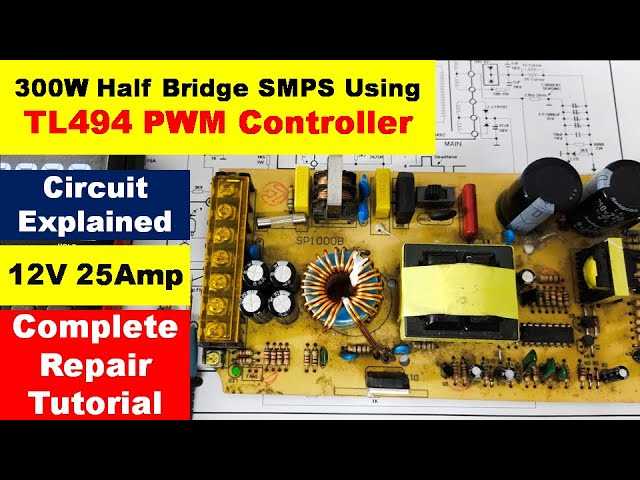
The primary components for a reliable power converter include the transformer, rectifier, capacitors, and the voltage regulator. Select a transformer that can handle the required load, ensuring the secondary voltage meets your output needs. A bridge rectifier, made of four diodes, is necessary to convert AC to DC. The rectifier’s diodes should be rated appropriately to handle peak voltages and currents. Use high-quality electrolytic capacitors to smooth the output after rectification, as these components help reduce voltage ripple. Ensure the chosen capacitor values are sufficient to handle load fluctuations.
The voltage regulator is key for stabilizing the output. Linear regulators are simpler but waste more power as heat, while switching regulators are more efficient but more complex. When selecting a regulator, consider the power demands and heat dissipation. Additionally, proper grounding and shielding are critical to minimize noise. Be sure to use an appropriate heatsink if necessary, and double-check the power ratings for all components to ensure they will operate within safe limits. Carefully plan component placement to minimize interference and ensure efficient heat dissipation.