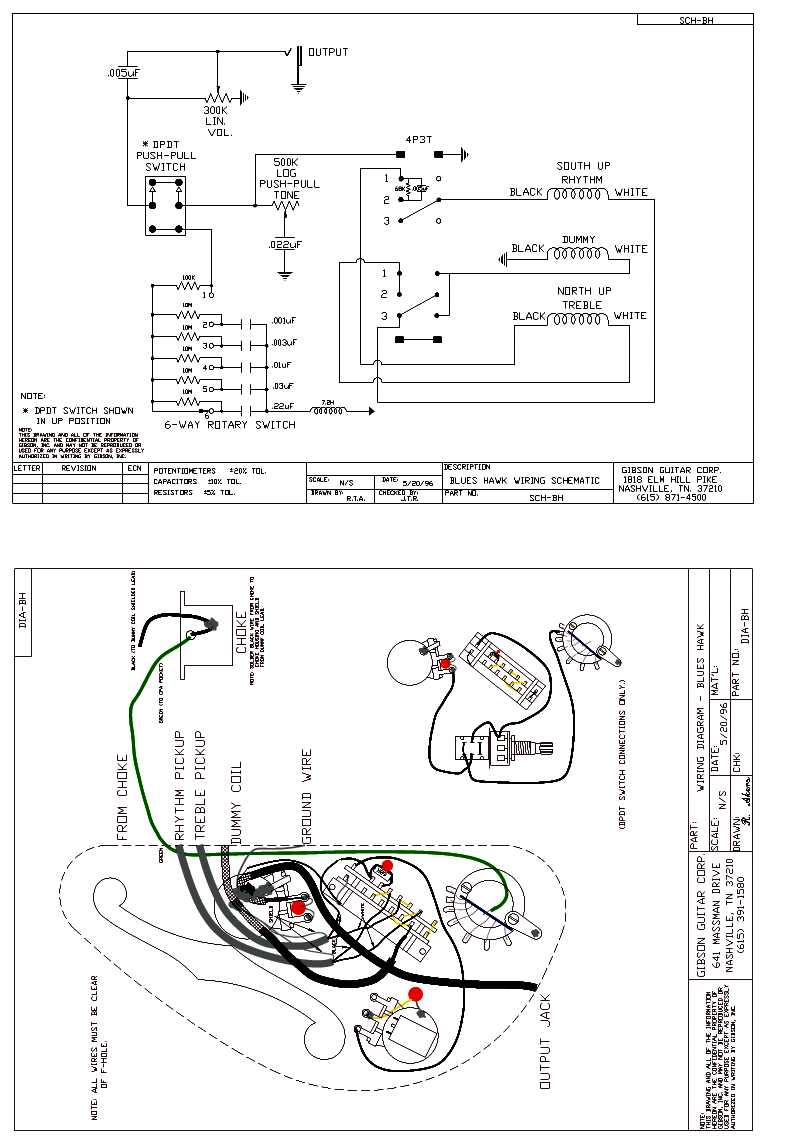
To improve the performance of your electric guitar, understanding the connections between the pickups, pots, and switches is key. Begin by checking the physical connections of the components inside the control cavity. Any loose or corroded connections can interfere with signal flow, resulting in reduced output or noise. Tighten the screws and clean the contacts for optimal conductivity.
When reconfiguring your instrument, consider how the pickups are wired to the potentiometers. If you’re aiming for more tonal versatility, switching from a standard series wiring to a parallel or coil-split setup can offer a broader range of sounds. Make sure each wire is properly routed to avoid short circuits or unwanted interference.
After you have connected all the components, the next step is testing. Use a multimeter to check the continuity of the signal path and ensure that no wires are disconnected or broken. If there’s any issue, retrace your steps and inspect each connection carefully. Pay attention to grounding, as a poor connection can lead to hum or buzz that negatively impacts your tone.
Gibson Wiring Guide
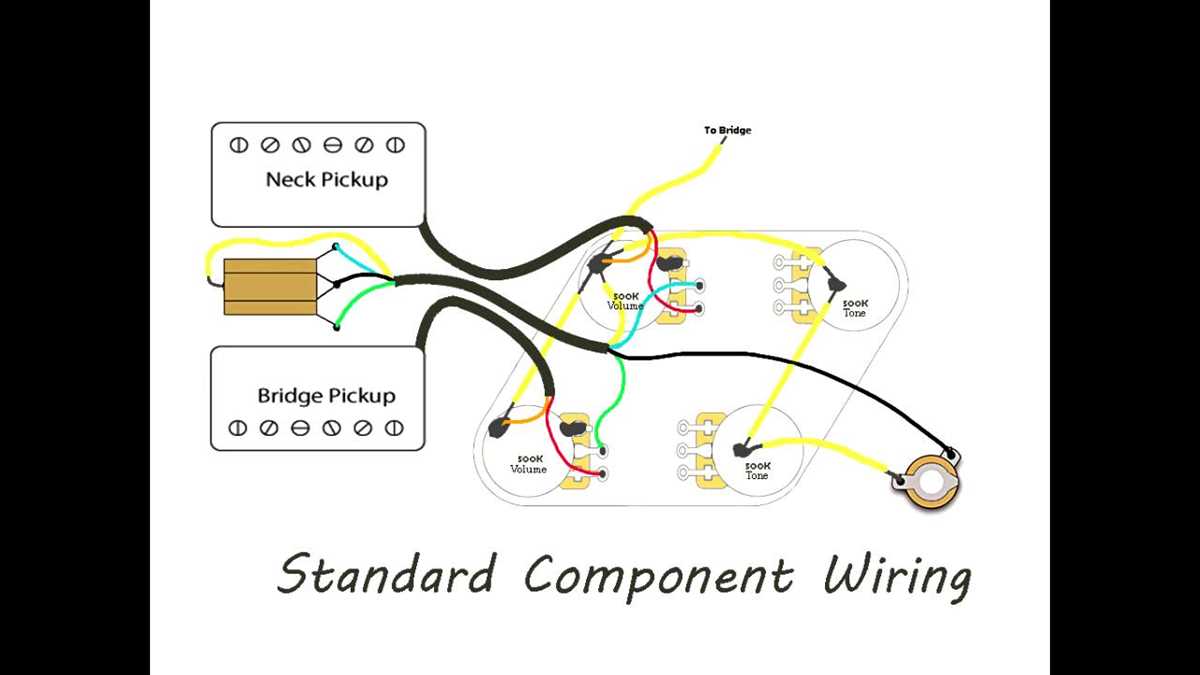
Start by identifying the key components in your guitar’s electrical system. The pickups, potentiometers, and toggle switches are the primary elements that determine your sound. Make sure all of these components are properly connected and not showing signs of wear or corrosion. If any part is faulty, it could affect the entire system’s performance.
Next, understand the different pickup configurations available. For instance, a standard two-humbucker setup uses the neck and bridge pickups wired to individual volume and tone controls. You can also wire the pickups in parallel or series to achieve different tonal effects. It’s important to know how each configuration alters your sound output before making modifications.
To get the most out of your system, consider experimenting with a coil-split setup. This allows you to switch between single-coil and humbucker sounds, giving you more versatility. To achieve this, wire a push-pull potentiometer to create a switchable coil-tap feature. The process involves re-routing certain wires to allow access to each coil individually.
Once you’ve connected the components, perform a continuity check. Using a multimeter, test for an uninterrupted signal path. Begin by checking the output jack, then move to the pickups and pots. If you encounter any breaks in the circuit, it’s best to trace back each connection to find and fix the issue. This helps ensure no signal loss when playing.
- Inspect the ground wire connection thoroughly, as a poor ground can cause noise interference.
- Test the potentiometers by rotating them to check if they smoothly adjust the tone and volume.
- Ensure that the toggle switch is wired correctly to handle both pickups without cross-talk.
For a fully functional setup, regularly check and maintain the wiring to avoid issues in the future. Keeping everything secure and well-maintained will allow you to enjoy consistent performance and improved tonal clarity from your instrument.
How to Wire Humbucker Pickups on a Gibson Guitar
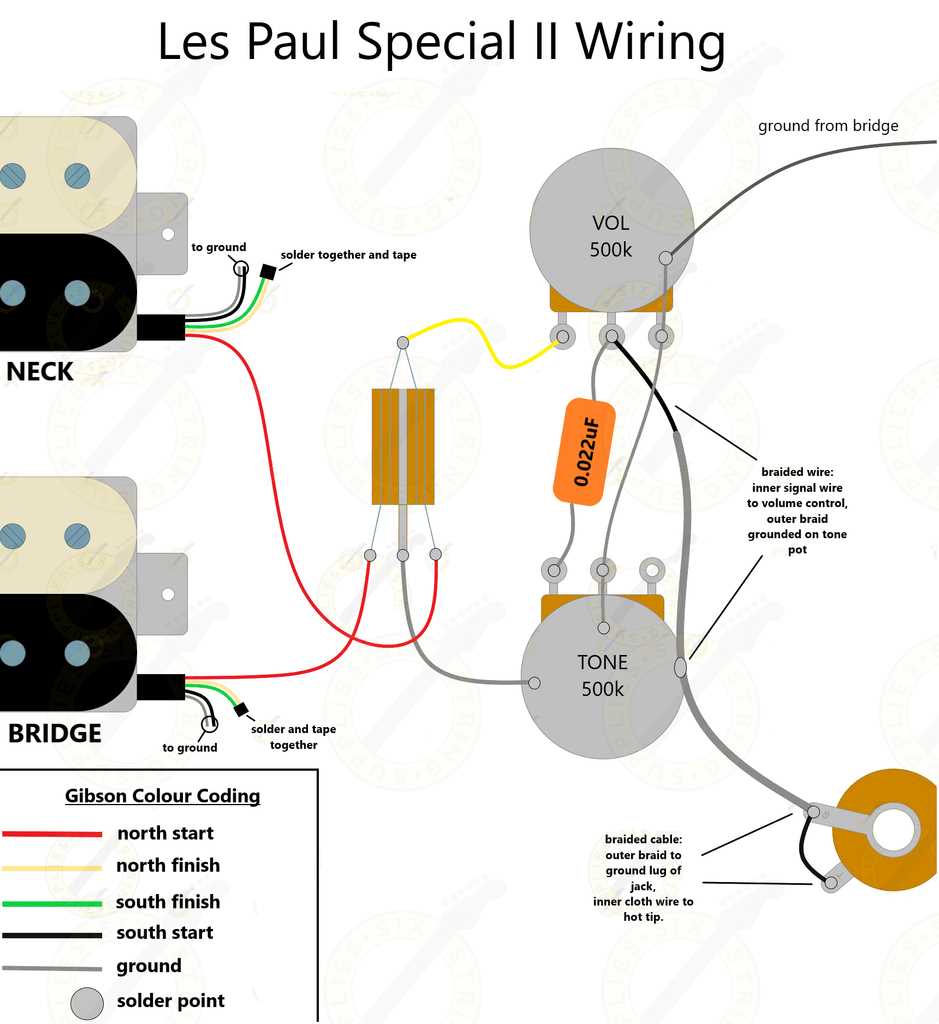
Begin by preparing your tools and components: humbucker pickups, potentiometers, a switch, and the necessary wires. Identify the leads on the humbucker pickups–typically, a black and a white wire. These are for the two coils, and you’ll need to properly connect them to the circuit for the pickup to work correctly.
Next, connect the black wire from the pickup to the ground. This will ensure that the humbucker operates in a “hum-canceling” mode when properly wired. The white wire should be connected to the hot output, typically routed through the potentiometer to control volume or tone adjustments.
Install the potentiometers into the guitar’s control cavity, making sure the metal shaft is properly grounded. This is vital to ensure the smooth operation of the volume and tone controls. The pot’s terminals will receive the wires from the pickup, allowing you to adjust the sound’s intensity and clarity.
Now, connect the output from the pickup to the potentiometer. This is typically done by soldering the wire to the appropriate terminal on the pot. Once the connection is secure, connect the pot’s other terminal to the switch, which will allow you to toggle between pickups or change tonal characteristics.
Once the pickups are connected to the pots, connect the output of the switch to the output jack of the guitar. The jack is where the final signal will exit the guitar and go to your amp. Make sure the connection is secure to avoid signal loss or interruptions during performance.
Test the humbucker by gently tapping it with a metal object. If you hear a signal through your amp, the pickup is functioning. Adjust the potentiometer to test the volume and tone control, ensuring smooth adjustments from low to high without crackling or dead spots.
Check all connections for solid contact. A weak solder joint can lead to inconsistent sound. If you encounter any issues, retrace your connections, ensuring there are no short circuits or loose wires in the circuit.
Finally, reassemble the guitar, carefully securing all components in place. Once reassembled, perform a final check by playing through the full range of the guitar’s controls. The humbucker should produce a smooth, rich tone with no unwanted noise, and the controls should function as expected.