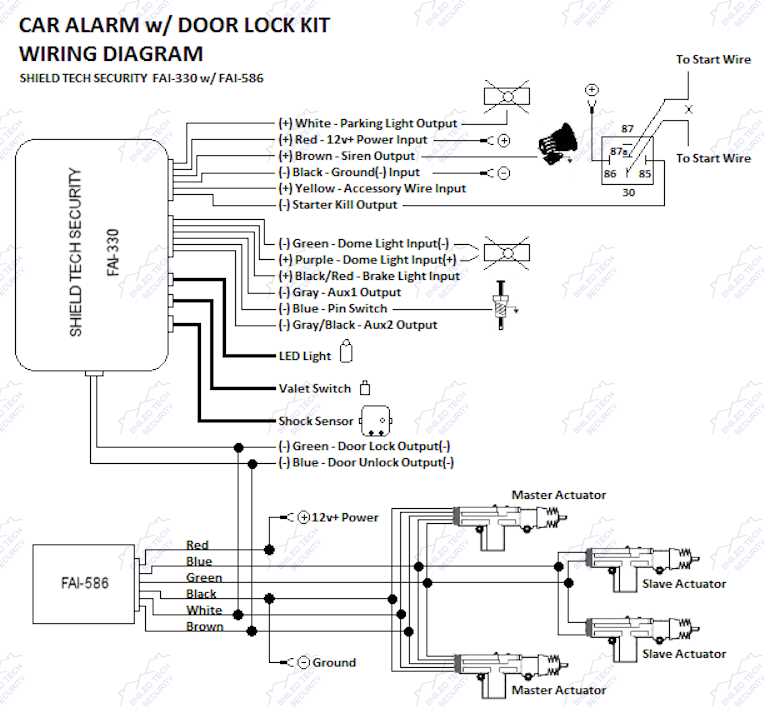
Ensure reliable activation by connecting the control module directly to the main power source and grounding points. Use 14- to 16-gauge insulated leads to maintain stable current flow and prevent voltage drops during operation.
Route sensor and alert lines away from high-heat areas like the engine bay or exhaust pipes. Keep connections tight and use corrosion-resistant terminals to avoid signal interference or accidental disconnections.
Label each terminal clearly before installation. Standard color codes–red for positive, black for ground, and yellow or green for trigger circuits–help prevent mistakes during system setup.
Test each function after securing all leads. Activate door, ignition, and motion triggers individually to verify that lights, sirens, and alerts respond correctly before closing panels or covering harnesses.
Connection Setup and Terminal Guide for Vehicle Security Systems
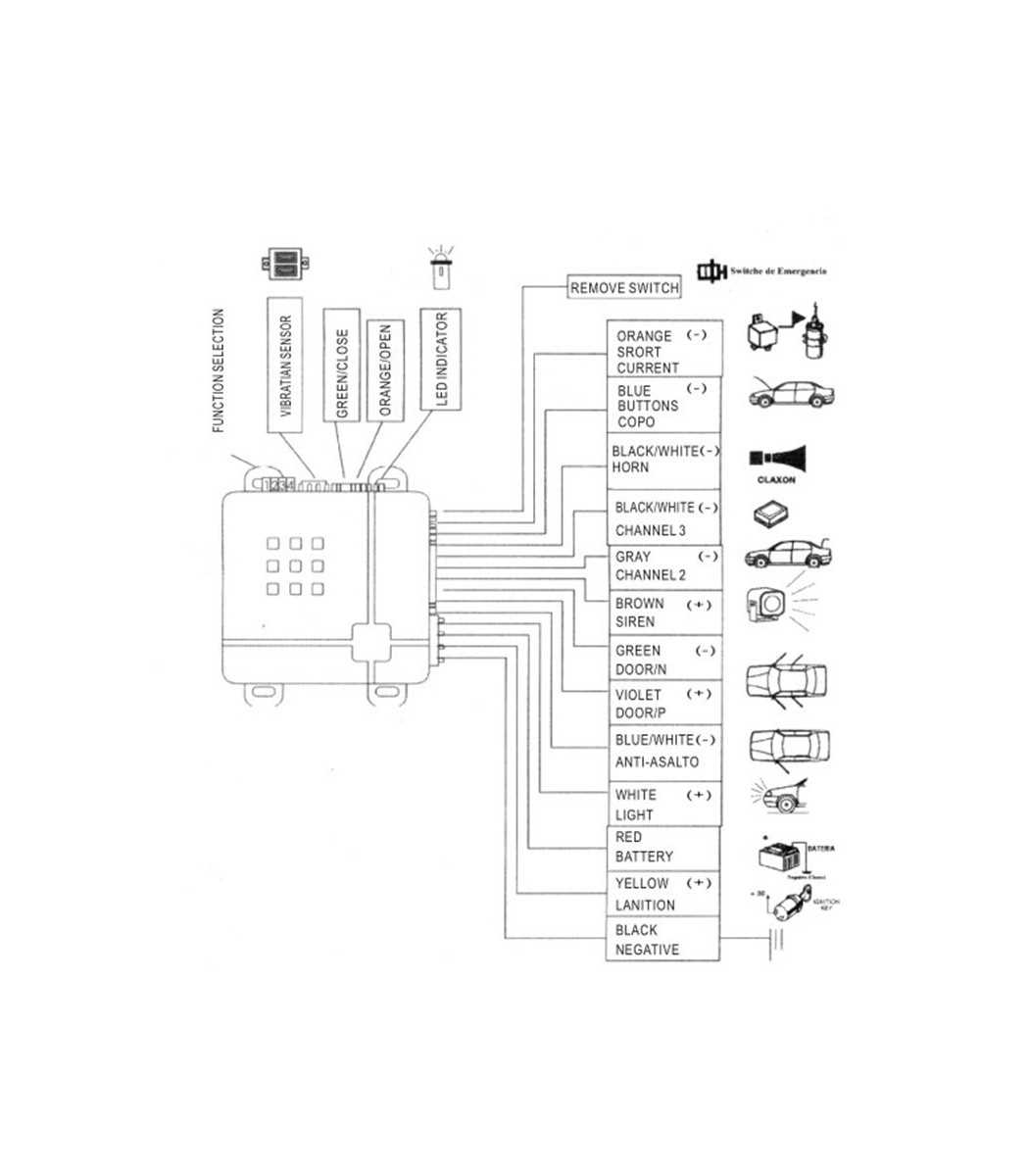
Connect the control unit directly to the main battery positive and negative terminals. Use 14-gauge insulated leads to maintain stable voltage, and secure connections with crimped or soldered terminals to prevent loosening under vibration.
Separate sensor and trigger circuits from high-current components such as the starter and headlights. This reduces interference and ensures consistent response from all detection points.
Use color-coded leads for each function. Standard practice assigns red to main power, black to ground, yellow to ignition sensing, and green to door or motion triggers. Proper labeling prevents misconnection during installation.
Mount the module in a dry, hidden location away from heat sources. Avoid direct exposure to engine heat, exhaust, or water ingress points to maintain operational reliability.
Check each terminal before finalizing connections. Verify continuity with a multimeter to ensure no broken leads or shorts exist, and confirm that each sensor responds to manual activation.
Route all leads with protective conduit or split tubing. Prevent abrasion against sharp edges or moving parts to avoid signal loss or permanent damage to the system.
Test the entire setup under normal vehicle conditions. Activate ignition, door, and motion triggers independently to ensure the module correctly energizes outputs like sirens, lights, or alert signals without delays or false activations.
Document the final configuration for future maintenance. Record terminal colors, connection points, and sensor locations. This provides a reference for troubleshooting or upgrades and avoids repeated disassembly.
Identifying Power and Ground Points in Security Systems
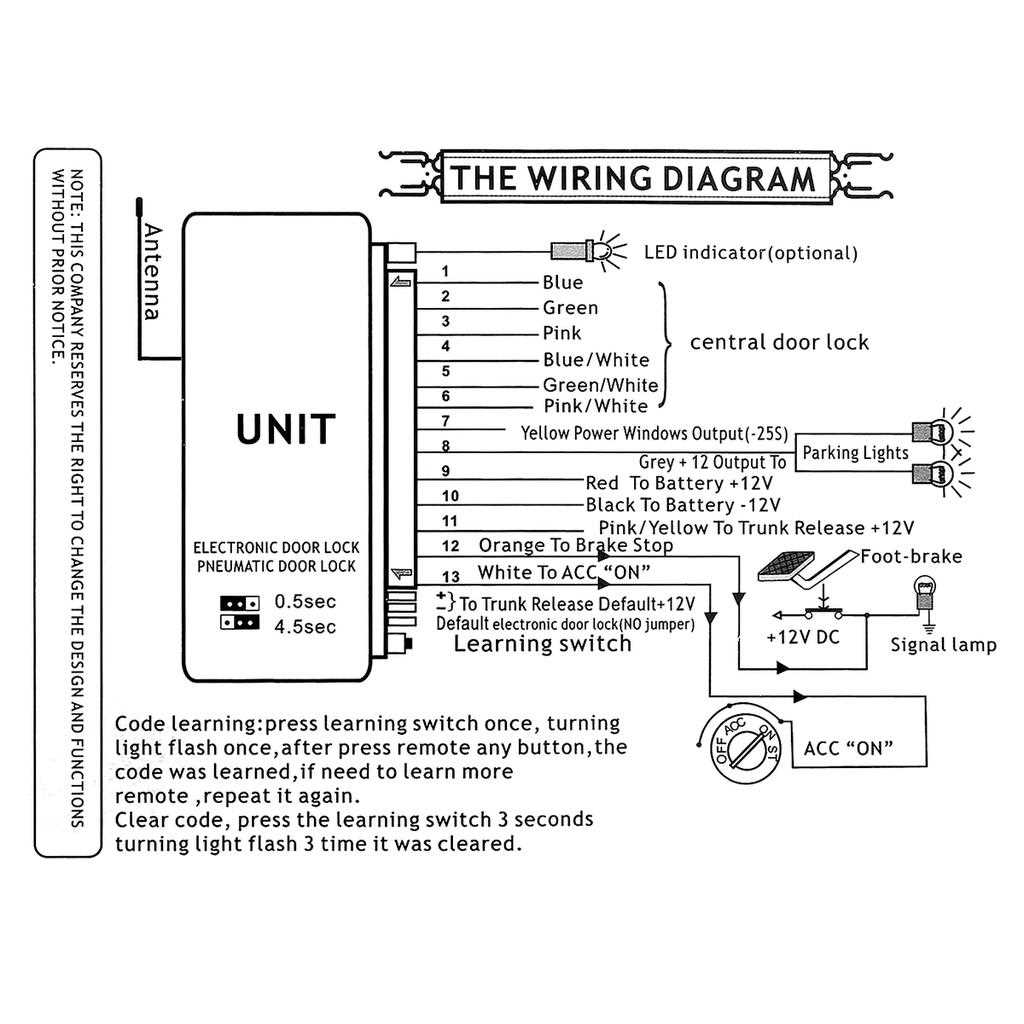
Connect the main positive lead directly to the battery terminal. Ensure a secure crimp or soldered connection, and use an inline fuse rated according to the module’s maximum draw to prevent overloads.
Locate a clean chassis point for grounding the negative lead. Remove paint or corrosion before attaching the terminal to guarantee low-resistance contact.
Separate accessory and ignition sensing circuits from high-current sources. Use fuse taps or relay outputs to maintain voltage stability without backfeeding sensitive electronics.
Label all leads clearly. Red for main power, black for ground, and other colors for ignition or sensor inputs. Accurate labeling avoids misconnection during future maintenance.
Inspect factory distribution points. Many vehicles provide pre-existing studs or bolt points near the fuse box or under the dashboard suitable for secure power and ground connections.
Test continuity and voltage at each point before completing the setup. Use a multimeter to verify correct potential and ensure no intermittent connections exist, preventing malfunctions.
Document all connections and torque values. Keep a reference of terminal locations and connection methods to simplify troubleshooting and reduce the risk of accidental shorts during service.