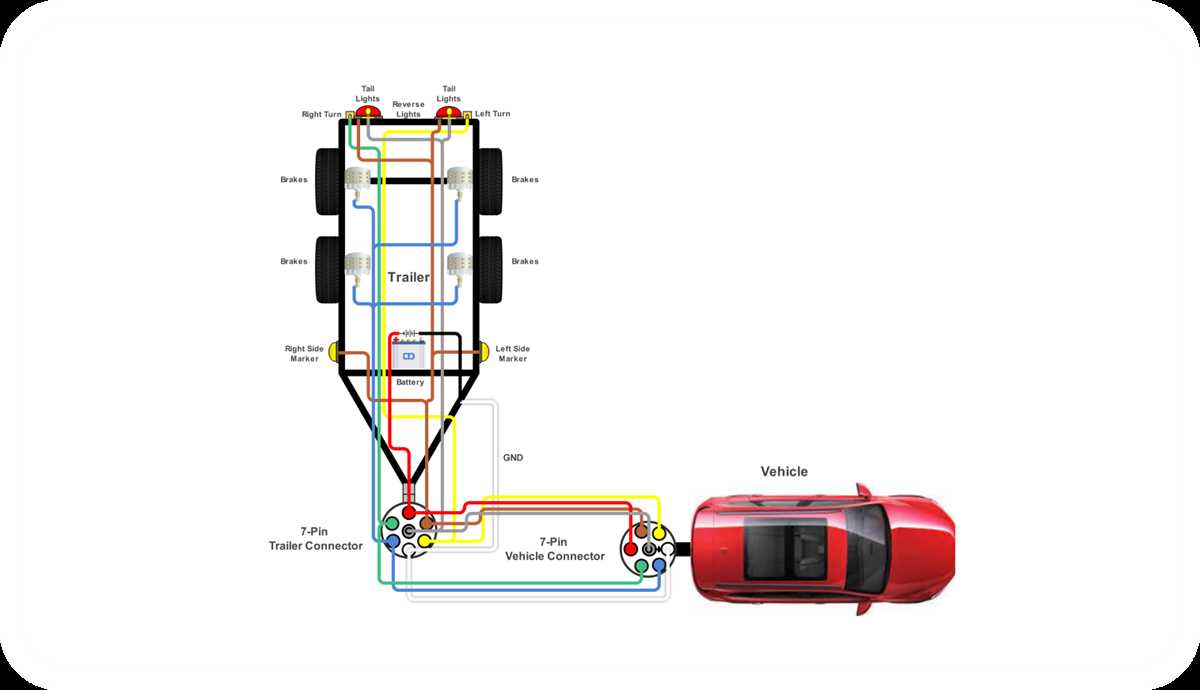
Start by identifying the correct pinouts for your connectors, ensuring each wire is aligned with the appropriate color code. The ground connection should always be properly secured, followed by the brake, turn, and running signals in the right order. This guarantees proper signaling and communication between the vehicle and the towed unit.
Next, select the appropriate wire gauge for the task. Typically, 14-16 AWG wire is sufficient for most automotive setups. Avoid using wires that are too thin, as they may overheat, and ensure you use quality connectors to minimize resistance. Proper insulation is key to prevent any exposure to weather elements.
Once the connections are in place, conduct a full system test. Verify each function–brake lights, turn signals, and running lights–are operating correctly. If any components fail, check the integrity of the connections, ensure no wires are loose, and verify that each component has a proper ground connection.
Wiring Guide for Towed Vehicle Signaling
To set up the electrical connections, begin by using the correct connector type for your vehicle’s outlet. Ensure the male and female plugs are compatible for a secure fit. A common choice is a 7-pin connector for a more reliable connection, as it accommodates multiple functions such as brakes, turn signals, and running lights.
The first step is to identify each wire’s function. Typically, a 7-pin connector will feature wires in the following order:
- Pin 1: Ground
- Pin 2: Left turn signal
- Pin 3: Brake lights
- Pin 4: Tail lights
- Pin 5: Right turn signal
- Pin 6: Reverse lights (optional)
- Pin 7: Auxiliary power (optional)
Start by attaching the ground wire, ensuring a clean metal surface for optimal contact. A poor ground connection can cause intermittent issues with the lighting system, so pay special attention to this step.
Connecting the Signals
Next, connect the brake lights and turn signals. These connections are crucial for vehicle safety and should be connected with proper color-coding and insulation. Use crimp connectors or soldering for a secure and durable bond. Verify the connections by testing each light before fully installing the system.
Testing the Setup
Once the components are connected, it’s time to test the system. Activate each light and signal one by one to confirm that the system works as expected. Pay attention to any flickering or unresponsive lights, which could indicate a loose connection or faulty wire.
Finally, use a multimeter to check the voltage levels, ensuring the proper current is being delivered to each light. This can help identify any issues with the system’s integrity and prevent future failures on the road.
Step-by-Step Guide to Connecting Vehicle Signaling
Start by preparing the necessary tools and components: a 7-pin connector, appropriate gauge wire, crimp connectors, a fuse, and electrical tape. Make sure the vehicle’s outlet is clean and free from corrosion before starting the installation process.
First, connect the ground wire to a clean, metal part of the vehicle’s frame. This ensures a solid connection for the entire system. A weak or improper ground will lead to intermittent or failed connections, so check the connection with a multimeter for continuity.
Connect the Brake and Signal Wires
Next, connect the brake light wire to the designated pin. Follow with the left and right turn signal wires, ensuring you’re using the correct color-coded wiring. Use crimp connectors or soldering to secure the connections, and then cover each with electrical tape to prevent shorts.
Test the System
Once all wires are connected, it’s time to test the system. Activate each function, including the brake lights, turn signals, and running lights, to ensure proper operation. Any failure to illuminate or flickering signals should be traced back to poor connections or faulty components.
Finally, secure all wires along the vehicle frame with zip ties, ensuring they are protected from heat, abrasion, and moving parts. After the setup is complete, perform a final test to make sure the entire setup is working smoothly before use.