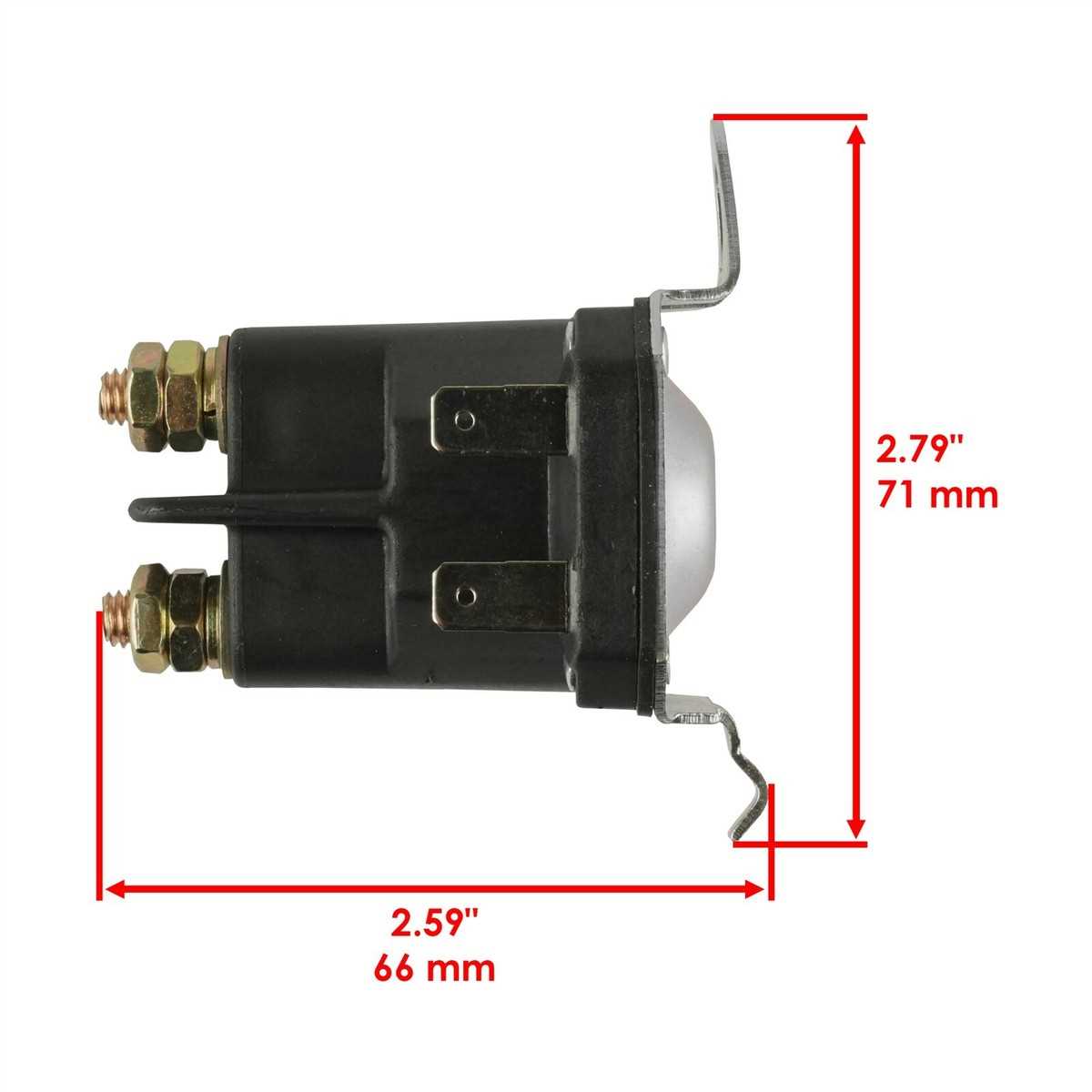
If your lawn mower is having trouble starting, checking the electrical connections to the starting mechanism is crucial. The first step is to ensure the connections to the actuator are correct and secure. A loose or improperly connected wire can prevent the engine from cranking properly. Start by inspecting the terminals for corrosion, wear, or dirt buildup, as these can cause poor electrical contact.
For proper assembly, make sure the power leads are connected to the right terminals. The larger, typically red lead should be attached to the positive terminal, while the smaller wire connects to the control circuit. Ensure these are fastened tightly to avoid any interruptions during operation.
If you find that your system is not responding to electrical signals, the next step is to test the current flow through the entire circuit. Use a multimeter to check for voltage at different points in the system, from the battery to the starting mechanism. If you notice a drop in voltage or no reading at all, there may be an issue with the connection or a defective component.
Correct Wiring of the Electrical Components for the Starting System
To ensure smooth operation, it’s critical that each wire is connected correctly to its corresponding component. Start by locating the power input terminal. This is where the large red cable from the battery attaches. Check for any loose connections or signs of corrosion. Clean the terminal if necessary, using a wire brush, to ensure proper electrical flow.
Next, verify that the small control wire is securely fastened to the correct terminal on the relay. This wire controls the activation of the system and should not be mixed up with the power input. Tighten any loose screws to prevent contact failure during use.
Testing the Voltage Flow and Connection Integrity
Once all components are connected, it’s time to test the voltage flow through the system. Use a multimeter to measure the voltage at the power terminal and the control terminal. A proper voltage reading ensures that electricity is flowing correctly through the system. If the meter shows no voltage at the control terminal, check for a broken wire or faulty component.
Inspect the ground connection as well. A poor ground can cause intermittent operation or complete failure of the starting mechanism. If the ground connection is corroded or loose, clean and reattach it securely to a metal surface.
Common Wiring Mistakes to Avoid
One common mistake is reversing the polarity on the battery connection. The positive terminal of the battery must connect to the power terminal of the actuator. Reversing this can damage the system and prevent it from starting the engine. Always double-check the wiring connections against the manual before powering up the system.
Another issue to watch for is improper routing of wires. Ensure that all wires are free from pinch points or exposed to the elements. Wires should be secured in place with clips to prevent wear and short circuits. Make sure no wires are in contact with hot engine parts or moving components.
How to Identify and Test a Faulty Starting Mechanism
Start by visually inspecting the electrical connections. Check if the terminals are clean, free of corrosion, or wear. A dirty or corroded terminal can cause a poor connection, preventing the system from activating. If corrosion is present, clean it off with a wire brush or a suitable cleaner to restore proper contact.
Next, verify that all wires are securely attached. A loose or disconnected wire can lead to intermittent issues or complete failure to engage the starting mechanism. Tighten all connections, ensuring no wires are frayed or damaged, which could cause electrical shorts.
Testing Voltage Across Key Components
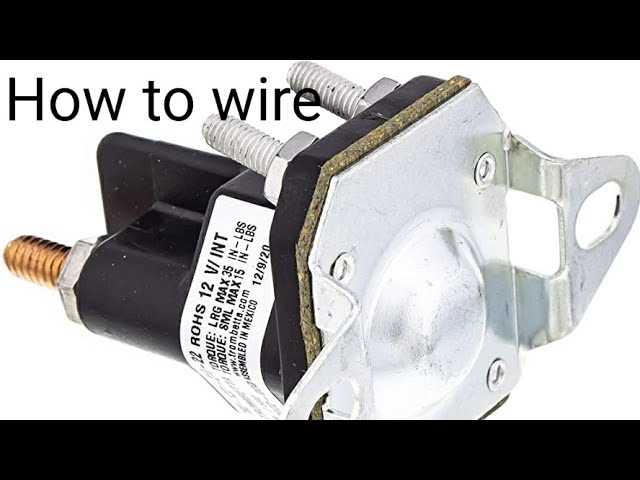
Use a multimeter to check the voltage at both the power input terminal and the control terminal. Set the multimeter to DC voltage and place the probes on the terminals. A healthy system will show the same voltage as the battery, indicating that the electrical flow is intact. A drop in voltage or no reading suggests an issue with the wiring or components.
If the voltage is normal, test the current flow using the continuity function on the multimeter. Place one probe on the control terminal and the other on a clean ground. The meter should beep, confirming an unbroken electrical path. If the meter doesn’t respond, there may be a disconnect or short along the wiring path.
Testing the Relay and Control Circuit
Activate the system and listen for a click from the relay. If there is no sound or the system fails to engage, this suggests that the relay is not activating. In this case, the relay or control switch may need replacement. Check for power reaching the relay to confirm that it is receiving the signal to engage the system.
Lastly, check the ground connection. A poor ground can cause system malfunction or failure to start. Ensure the ground wire is securely fastened to a clean, bare metal surface. If the connection is loose or corroded, clean the area and reattach it properly to ensure a strong connection for the electrical system.