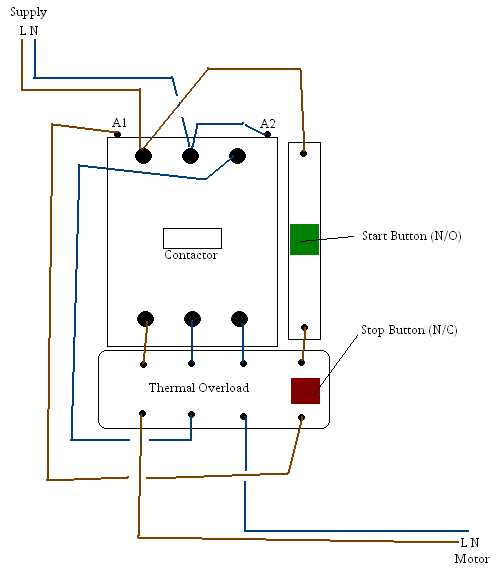
Verify all main power and ground connections before applying voltage to the unit. Ensure cables are correctly routed and secured to prevent short circuits and protect the control relay.
Inspect terminals and connectors for corrosion, wear, or loose contacts. Clean metal surfaces and tighten screws to maintain reliable current flow to the solenoid and engagement mechanism.
Trace signal lines from the ignition switch to the relay and engagement contacts. Confirm continuity with a multimeter and mark each conductor to avoid confusion during troubleshooting or replacement.
Document any modifications such as auxiliary relays or bypassed circuits. Maintaining an accurate reference helps prevent errors during future maintenance or upgrades and ensures safe operation.
Electrical Layouts for Cranking System Connections
Confirm main power lines from the battery to the solenoid are properly secured and free of corrosion. Loose connections can prevent the unit from engaging and may damage other components.
Check grounding points on the chassis and housing. Clean metal surfaces and tighten bolts to ensure a stable return path for current, which is critical for reliable activation.
Follow each control signal from the ignition switch:
- Identify positive and negative paths
- Trace to relays and engagement contacts
- Verify continuity using a multimeter
Inspect connectors for bent or oxidized pins. Replace damaged terminals and ensure plugs seat fully to prevent intermittent operation.
Label all cables to simplify future maintenance and reduce the chance of misconnection. Include notes on polarity and function for each line.
Test auxiliary circuits such as neutral safety and push-to-start interlocks. Confirm each line delivers correct voltage and triggers solenoid engagement correctly.
Document modifications including added relays or bypass circuits. Keep a printed or digital copy for reference during troubleshooting or replacement.
Perform a short operational check by energizing the control path briefly. Observe engagement speed, current draw, and ensure no overheating or unusual resistance is present.
Identifying Power and Ground Terminals for the Cranking Unit
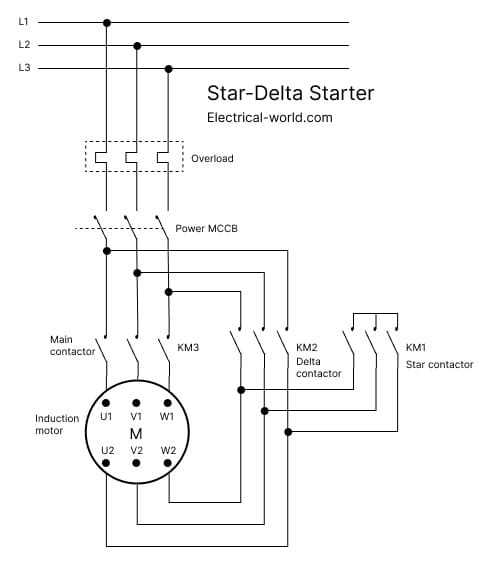
Locate the main positive terminal by tracing the thick cable from the battery. Ensure the connection is tight and free of corrosion, as loose contacts can prevent proper engagement and increase resistance, causing voltage drops.
Identify the grounding point on the housing or attached bracket. Check that the metal surface is clean and the bolt is fully tightened. A poor ground can lead to incomplete activation and intermittent operation.
Use a multimeter to confirm voltage presence and continuity for both terminals. Apply a low current test to verify that control circuits respond correctly, ensuring reliable performance during repeated startups.