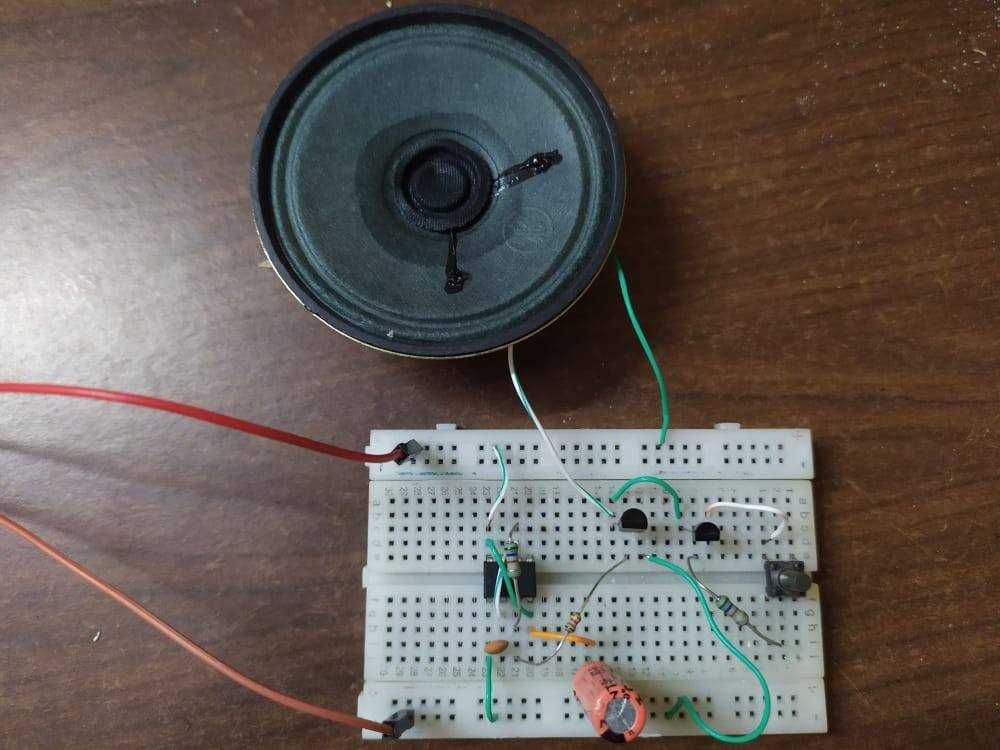
Connect the main power line to a regulated control module rated for 12 to 24 volts to prevent overloads. Ensure all fuses are correctly sized for the total load of the tone generators and speakers to maintain safe operation.
Use shielded wires for all signal paths to reduce interference and maintain clear sound output. Label each connection and double-check polarity to avoid damage to the transistors or ICs controlling frequency modulation.
Mount the electronic assembly in a ventilated enclosure away from heat sources and moisture. This placement preserves component life and ensures consistent performance under varying operational conditions.
Wiring an Emergency Alert Tone Controller
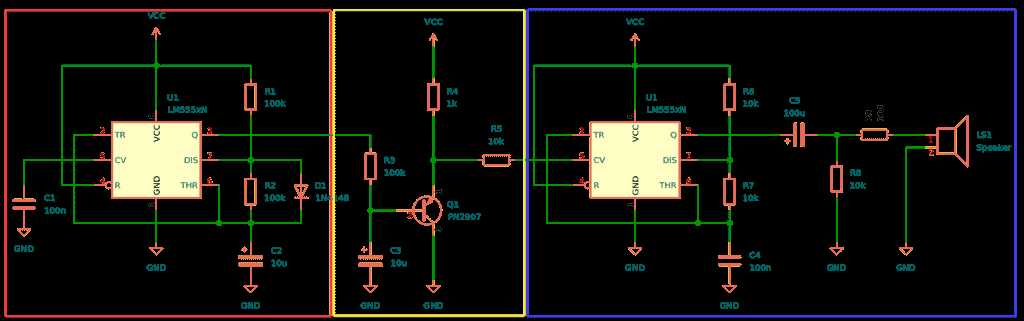
Connect the positive supply directly to the control module using a wire rated for at least 2 amps. Include an inline fuse to prevent damage from short circuits or voltage spikes.
Attach each tone generator to the designated output terminals and maintain consistent wire lengths to ensure synchronous sound levels. Avoid crossing signal lines with power cables to reduce interference and hum.
Install variable resistors carefully to adjust frequency output. Small deviations in resistance can significantly change the pitch, so use a multimeter to verify values before final mounting.
Secure all components in a ventilated enclosure to prevent overheating. Mount transistors and ICs on heat sinks where necessary, especially if the assembly will operate continuously for extended periods.
Test the complete assembly before permanent installation. Verify each tone generator produces a clear signal and that volume levels match the expected output. Adjust connections or resistance if flickering or distortion occurs.
Wiring the Power Supply and Control Module
Connect the main positive lead to the input terminal of the control board using a 16 AWG wire or thicker. Insert a 3-5 amp fuse close to the power source to protect the assembly from short circuits and voltage spikes.
Ensure the negative line is properly grounded to the vehicle chassis or designated common ground point. A loose or poor connection can cause intermittent operation and signal distortion across the tone generators.
Use color-coded wiring to differentiate between input, output, and ground lines. This simplifies troubleshooting and reduces the risk of accidental cross-connections during installation or maintenance.
- Strip 7-10 mm of insulation from each wire end.
- Twist exposed strands tightly to prevent fraying.
- Attach wires to screw terminals or push-in connectors and tighten securely.
- Double-check polarity before applying power.
Install the module in a ventilated compartment to avoid heat accumulation. High temperatures can cause ICs and transistors to overheat, reducing reliability and shortening the lifespan of the control board.
Test voltage at the input and output terminals using a multimeter. Confirm that the supply voltage matches the rated 12-24V and that no significant drops occur when the load is applied.
Label all connections and document wiring paths for future reference. Clear labeling helps maintain consistent performance when additional tone units are added or when troubleshooting is required under operational conditions.