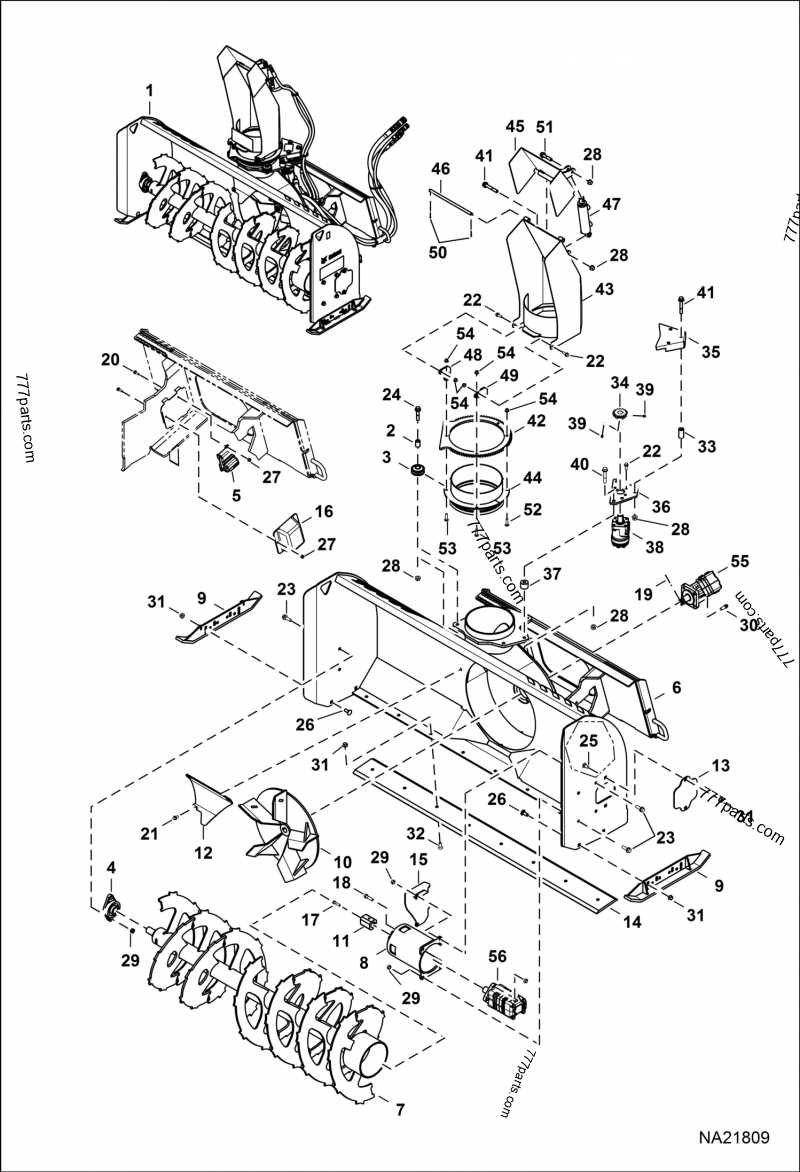
To maintain your machine effectively, start by understanding the key components. The impeller, auger assembly, and drive belt are critical for proper operation. Regular inspection of these elements will prevent unexpected breakdowns and extend the life of your equipment.
When performing maintenance, ensure the auger is clear of debris. This part is responsible for collecting snow and feeding it into the discharge chute. If it’s worn or damaged, replace it to maintain performance.
Additionally, pay attention to the blower motor and drive belt. These components are responsible for driving the system’s operation. Tightening the belt and inspecting the motor for wear can prevent costly repairs down the line.
Understanding Key Components of Your Equipment
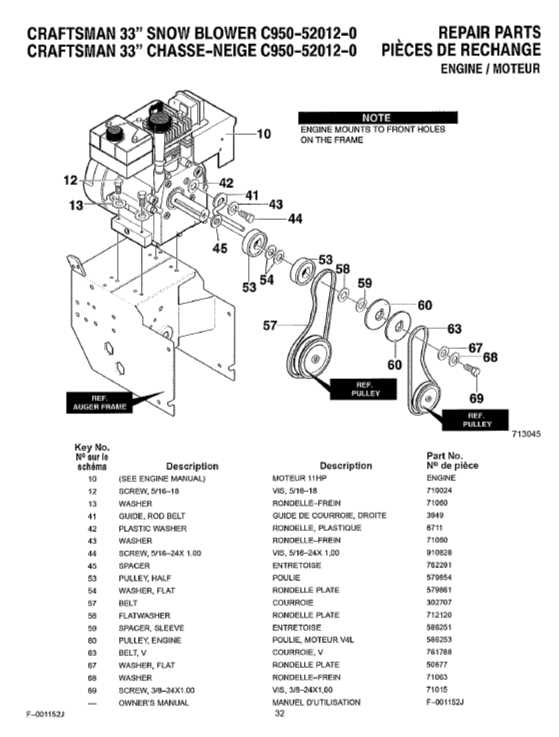
Start by inspecting the auger and impeller, which are responsible for moving snow into the chute and expelling it. A worn or damaged auger can significantly reduce the machine’s performance. Make sure the blades are sharp and free from debris for optimal functionality.
Next, check the drive belt. A loose or frayed belt can cause the machine to operate inefficiently or even fail to start. Tightening the belt or replacing it when necessary is a simple maintenance task that will ensure smooth operation.
The engine and motor are the heart of the machine. Keep an eye on their condition by checking for any unusual noise or smoke during operation. Regular lubrication and checking spark plugs will help maintain the motor’s longevity and performance.
How to Identify and Replace the Impeller and Auger Assembly
Start by disconnecting the power source and removing the safety key before beginning any work. Inspect the auger and impeller assembly for signs of wear such as cracks, bending, or missing teeth. A damaged impeller or auger can significantly impact performance by reducing the efficiency of snow intake and discharge.
To replace the auger, remove the bolts securing it to the frame, and slide it out carefully. Inspect the shaft for any damage before installing the new auger. Align the new assembly with the mounting points and tighten the bolts securely to prevent movement during operation.
For the impeller, remove the cover and loosen the bolts holding the impeller in place. Carefully remove the impeller from its housing and replace it with the new one. Ensure that the impeller is properly aligned and moves freely within the housing. Reassemble the cover and check the operation by manually turning the assembly before reassembling the rest of the machine.
Steps for Maintaining and Adjusting the Drive Belt and Blower Motor
Begin by disconnecting the power and removing the safety key. Check the drive belt for signs of wear, such as cracks, fraying, or slippage. If the belt appears damaged, replace it by loosening the tensioner, removing the old belt, and installing the new one in the correct alignment. Tighten the tensioner until the belt has proper tension–too tight can cause strain on the motor, while too loose can lead to slippage.
Next, inspect the blower motor for any signs of overheating or unusual noise. Remove any dirt or debris from the motor housing and check for loose or damaged connections. If the motor is not running properly, check the electrical connections and wiring for any issues. If necessary, replace faulty components and ensure the motor is securely mounted to prevent vibration.
After adjustments, manually rotate the drive belt and blower motor to ensure smooth operation. Reassemble all parts and perform a test run to verify the function. Listen for any abnormal sounds and check that the system runs smoothly without excessive noise or vibration. Regular maintenance of both the drive belt and motor will extend the lifespan of the machine and ensure optimal performance.