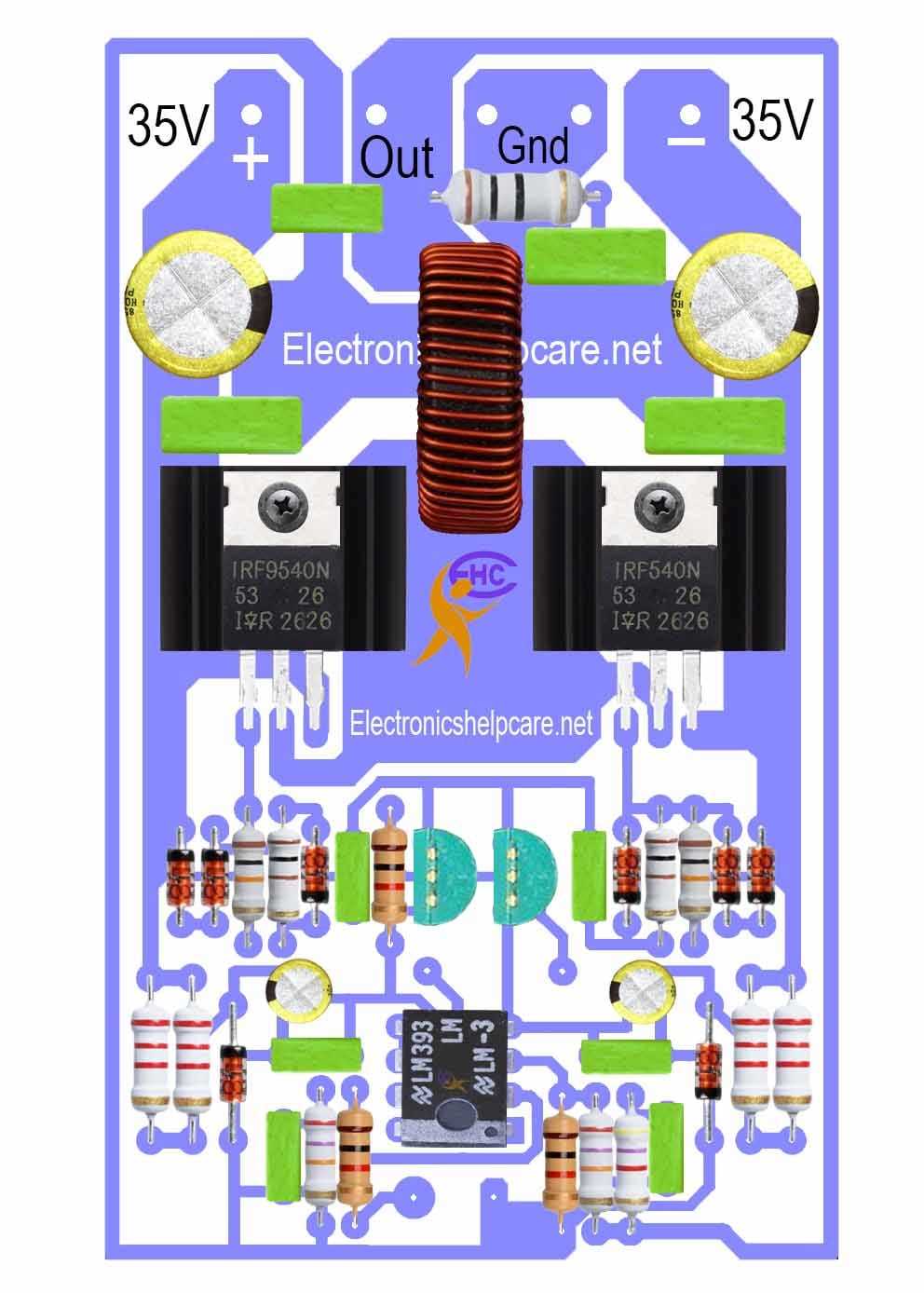
Verify power supply ratings before connecting to the main module. Use a regulated 12 to 24-volt source capable of handling peak current to prevent component stress and voltage drops.
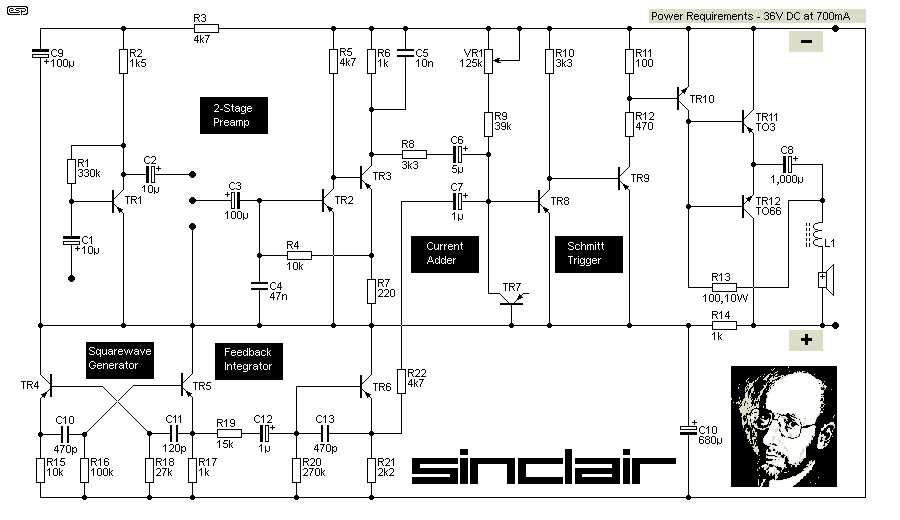
Check all component polarities including transistors, capacitors, and MOSFETs. Incorrect orientation can lead to overheating, signal distortion, or permanent damage to the board.
Follow signal paths carefully from input to output stages. Maintain short, direct traces for low-level signals to reduce noise and avoid crosstalk between channels.
Test continuity and resistance across all critical connections before powering the system. Use a multimeter to confirm that each node matches expected values and that there are no shorted or open leads.
Secure heatsinks and thermal pads properly to MOSFETs and drivers. Ensure tight contact and apply thermal paste where required to maintain stable operation under load.
Document your assembly with labeled photos or notes to simplify troubleshooting and future modifications, especially for multi-stage or bridged configurations.
Digital Sound Booster Connection Guide
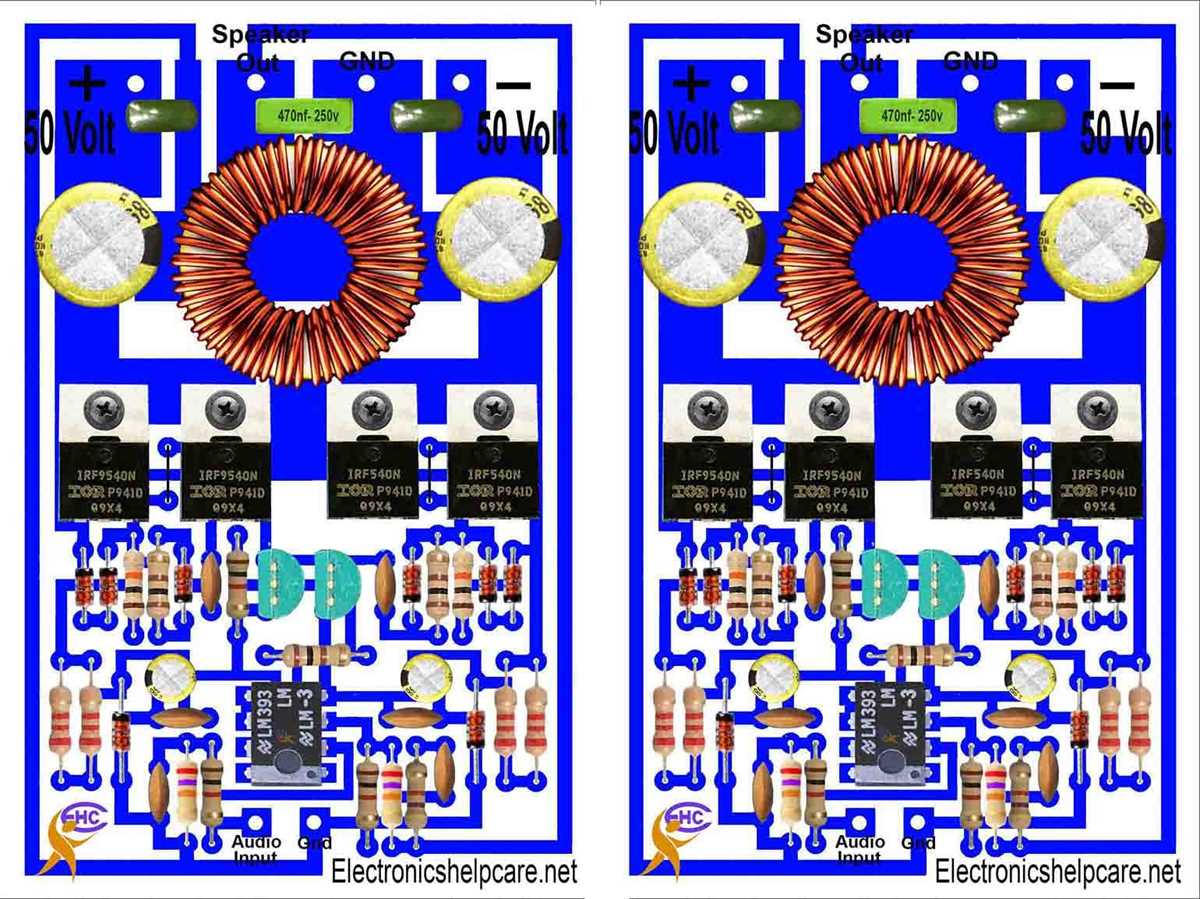
Identify power input terminals and confirm voltage polarity before connecting the supply. Use a stable 12–24V source rated for peak current to prevent voltage sag and protect the switching devices from damage.
Check signal input and output pins carefully. Connect low-level inputs directly to preamplifier outputs, and ensure output leads are matched to load impedance. Incorrect connections can cause distortion or component overheating.
- Verify ground continuity across all stages
- Use twisted pairs for high-current leads to minimize interference
- Keep control signal paths short and insulated from power traces
Secure heat dissipation components like MOSFET heatsinks and thermal pads. Tighten mounting screws evenly and apply thermal compound to ensure stable operation under high load and prevent thermal shutdowns.
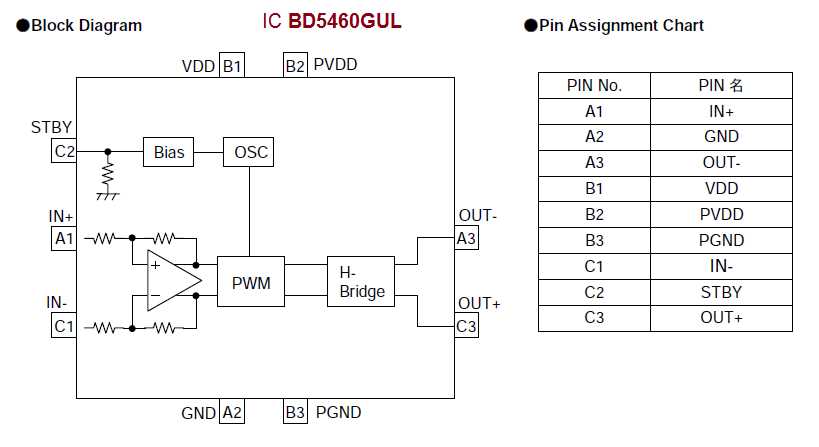
Identifying Components and Pin Assignments for Assembly
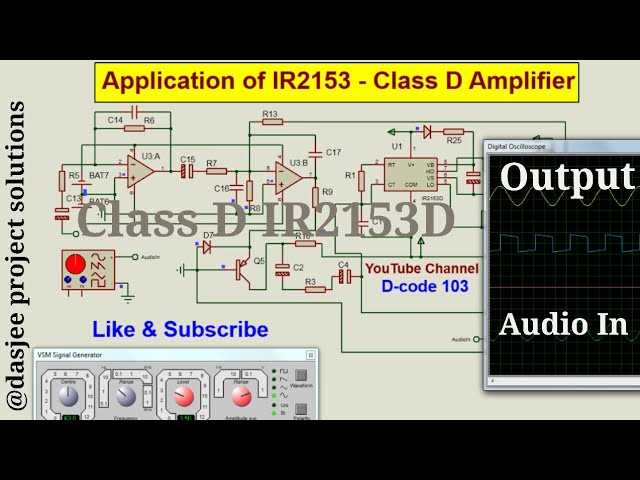
Label each device before installation to ensure correct placement. Use color-coded markers or numbered tags to identify transistors, MOSFETs, and capacitors according to their role in the power and signal stages.
Check polarity on all polarized components. Electrolytic capacitors, diodes, and certain integrated modules must be installed in the correct orientation to prevent overheating, leakage, or permanent damage.
Examine connector types carefully. Use spade terminals for high-current connections, blade connectors for moderate current, and multi-pin housings for signal paths. Ensure tight engagement to maintain stable electrical contact under vibration.
Verify pin assignments against the layout of the board. Identify input, output, and feedback pins on each driver and control chip. Misidentification can lead to signal loss or malfunction of the switching stages.
Test continuity between pins and associated traces before powering. Use a multimeter to confirm that each lead connects to the intended node without shorts or open circuits that could damage components during operation.
Keep sensitive leads separated from high-current paths. Route control and feedback connections away from switching transistors and power rails to minimize noise and maintain clean signal performance throughout the assembly.