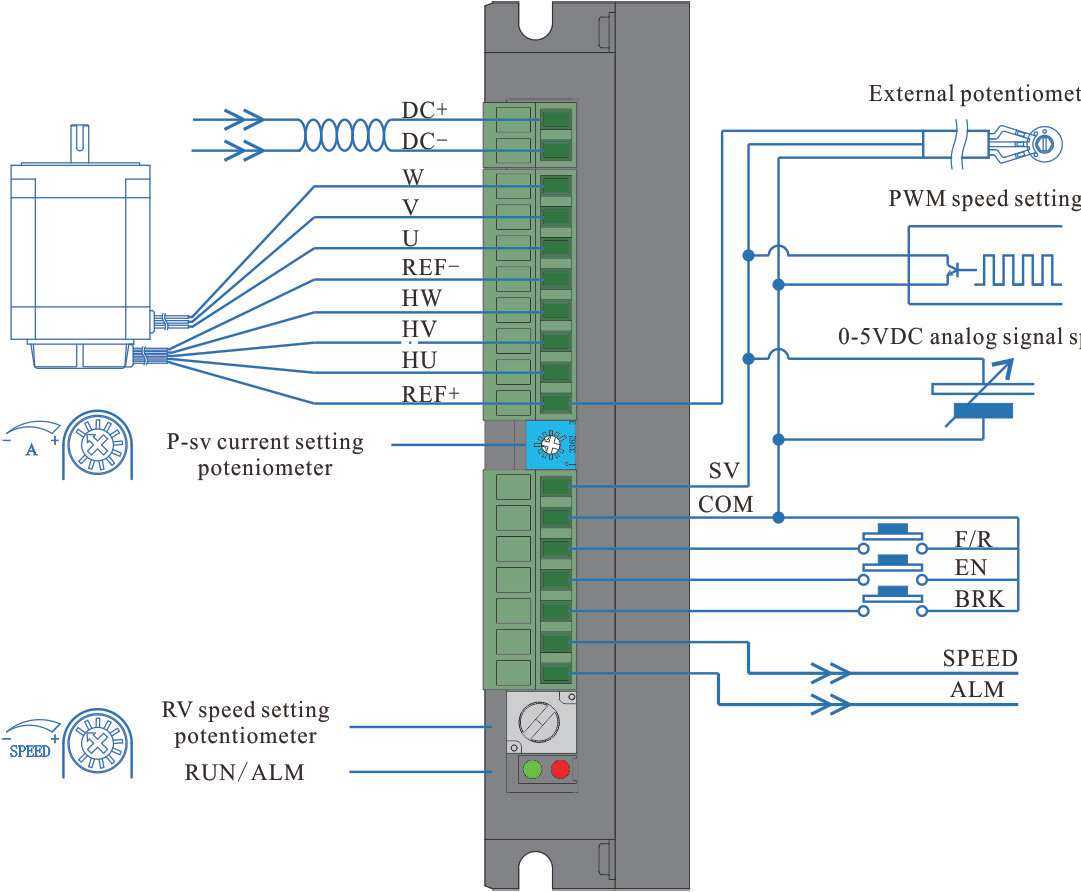
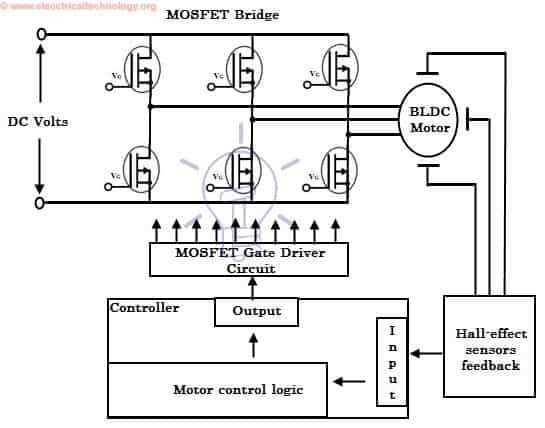
For efficient control of a brushless system, begin by selecting the correct switching devices. Use three-phase transistors or MOSFETs to switch the current through the coils. These devices are critical in maintaining precise timing for current delivery to the windings, which directly affects the operation and performance of the system. Pay close attention to the power ratings of these components to match the requirements of your design.
Next, incorporate a controller capable of interpreting sensor feedback. Typically, Hall effect sensors are used to detect the rotor’s position, enabling the controller to decide when to switch the phases. These sensors provide real-time data, allowing for smooth transitions between phases and preventing issues like cogging. You will also need a controller that can handle PWM (pulse width modulation) to regulate the voltage applied to each winding, ensuring the system runs efficiently.
When wiring the system, ensure that each phase of the windings is connected to its corresponding transistor or MOSFET, ensuring there is no interference between phases. The feedback system should be connected to the controller, which will use this data to adjust the switching sequence and timing. Proper layout and wiring are key to reducing noise and ensuring smooth operation, so double-check all connections for accuracy.
Designing the Brushless System Wiring for Optimal Performance
Start by choosing the correct switching components for your setup. MOSFETs or IGBTs are typically used to manage the current flow through the windings. These components must be rated to handle the expected voltage and current. Be sure to calculate the power requirements of the system and select transistors that can efficiently handle the load without excessive heat generation.
The next critical element in the setup is the controller. This component is responsible for managing the timing and switching sequence of the phases based on rotor position feedback. A microcontroller or dedicated driver IC is typically used. The controller will read signals from the sensors and determine when to switch each phase to ensure smooth and efficient operation of the setup. PWM signals are used to regulate the power to the windings for smooth torque delivery.
Hall sensors are a common choice for detecting rotor position. These sensors send information to the controller, allowing it to synchronize phase switching with the rotor’s position. You’ll need three sensors positioned 120° apart to cover all phases of the setup. The feedback loop helps the controller make real-time adjustments for accurate control, ensuring the system operates without cogging or stalling.
Connect the sensors to the controller and ensure that the wiring is neat and well-organized to prevent signal interference. It’s also important to provide proper grounding for the sensors and controller to prevent noise in the signal. This step is often overlooked, but a clean signal path is crucial for precise operation.
The switching transistors must be connected to the three windings of the stator. Each winding should be paired with its respective switch, ensuring that the correct sequence is followed for efficient operation. The windings are typically arranged in a star or delta configuration, depending on the requirements of the system. This arrangement influences the voltage and current characteristics of the setup, so it’s important to choose the correct configuration for your application.
Incorporating Power Supply and Protection Components
For reliable performance, use a regulated power supply to feed the entire system. Voltage regulators or dedicated power ICs should be included to ensure that all components receive stable voltage, especially if the input voltage fluctuates. A well-designed power section is critical for ensuring consistent operation without causing damage to the switching components or controller.
Don’t forget to incorporate protection components like diodes, capacitors, and fuses. Diodes are crucial for protecting against back EMF, especially when the system is de-energized. Capacitors help smooth out voltage spikes and reduce ripple in the supply voltage. Fuses or circuit breakers will provide protection in case of an overload, preventing system failure and component damage.
Key Components for Building a Brushless Motor Driver Setup
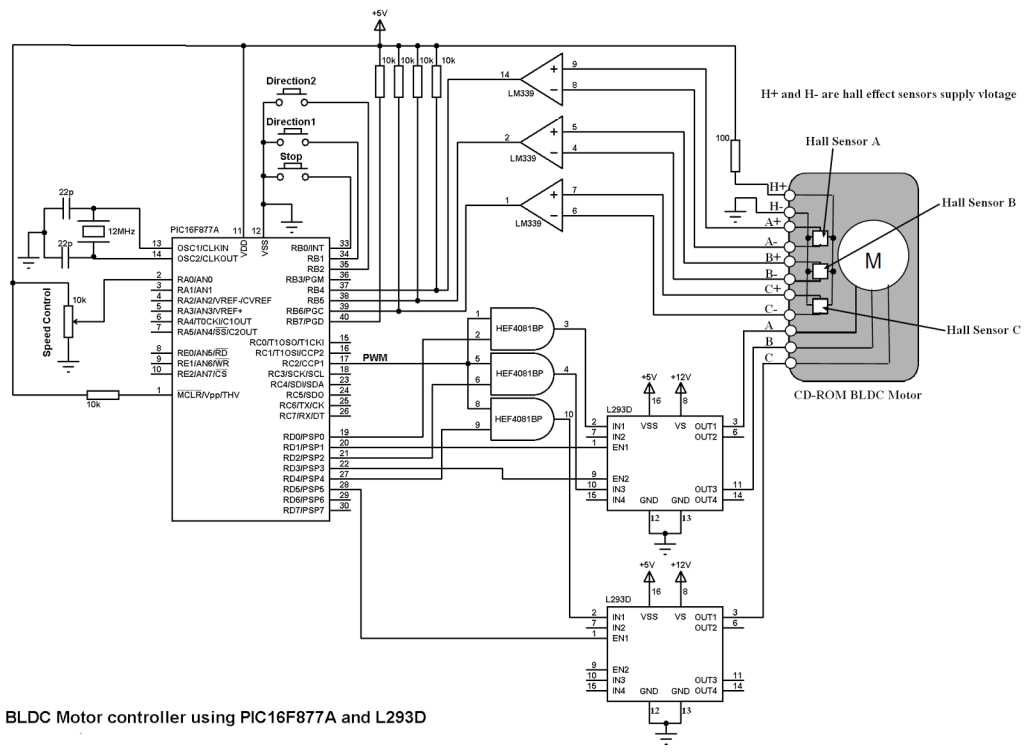
The heart of a reliable driver design is the selection of switching components, usually MOSFETs or IGBTs, which control the flow of current to the windings. Ensure that the chosen components can handle the required voltage and current without overheating. Opt for MOSFETs with low Rds(on) to minimize power loss and increase efficiency. Also, consider using logic-level MOSFETs that can be easily driven by a low-voltage controller.
A robust controller is vital for managing the sequence of current delivery to the windings. This controller is typically microcontroller-based and uses feedback from sensors to adjust the timing. Hall sensors or encoders are commonly used to monitor rotor position, which is then fed to the controller to optimize switching patterns. The controller should support pulse-width modulation (PWM) to adjust voltage levels dynamically and ensure smooth operation under varying load conditions. A reliable power supply that matches the required voltage levels for all components is also a critical part of the system design.