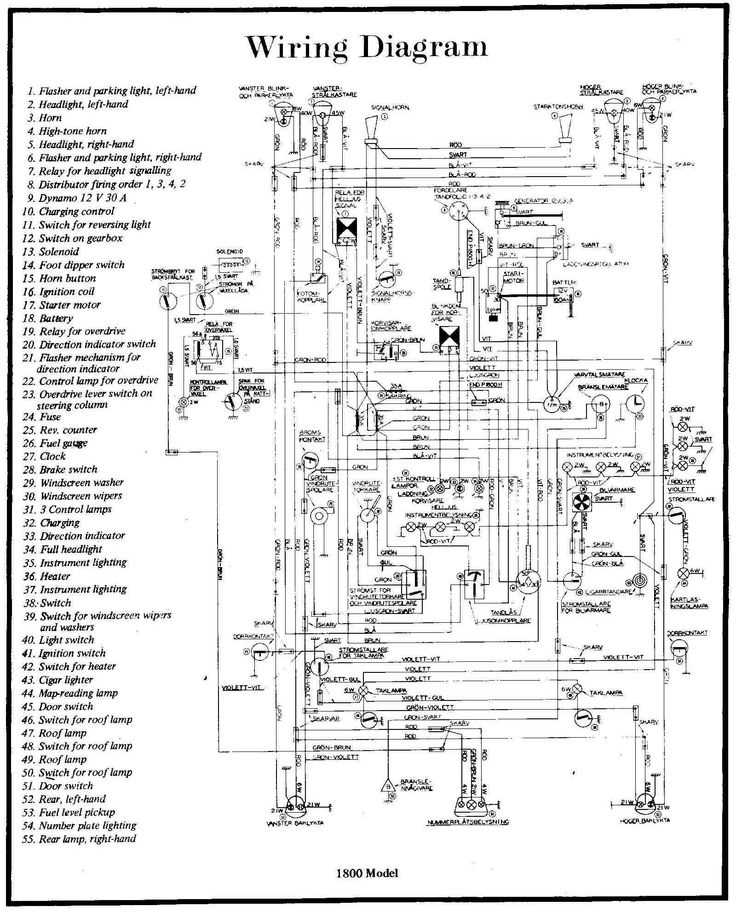
Start by selecting a reliable source for automotive circuit layouts that matches your car’s make, model, and year. Using official service manuals or verified online repositories ensures the diagrams reflect accurate component connections and fuse locations.
Compare multiple versions of the schematics to identify differences in sensor wiring, relay placements, and grounding points. This step helps prevent misinterpretation when tracing circuits or replacing connectors.
Focus on color codes and labeling conventions within the schematics. Correctly identifying wire colors and terminal numbers allows precise testing with a multimeter and reduces the risk of short circuits.
Use the layouts to plan repairs or installations such as replacing headlight circuits, adding auxiliary lighting, or diagnosing intermittent power loss. Highlighting affected paths on a printed copy can simplify tracing and minimize trial-and-error work.
Verify component compatibility by checking amperage ratings, connector types, and switch positions against the schematic. Accurate matching prevents blown fuses and protects sensitive electronic modules during modifications or repairs.
Access Vehicle Electrical Layouts for Repairs and Upgrades
Locate verified online resources or service manuals that provide detailed circuit illustrations for your car’s year and model. Prioritize official sources to avoid outdated or incorrect layouts.
Cross-reference multiple sources to confirm connections for relays, sensors, and fuse blocks. Discrepancies between versions can lead to misdiagnosis or accidental shorts.
Check labeling of terminals and traceable paths carefully:
- Identify positive and ground lines for each component
- Mark connector numbers and pin locations for clarity
- Note any special harnesses or inline fuses
Use the schematic to isolate faulty circuits by following current paths with a multimeter or test light. This approach minimizes trial-and-error when troubleshooting dim lights, horn failures, or intermittent power issues.
Highlight modified sections if your vehicle has aftermarket additions like audio systems or lighting kits. Annotating changes prevents confusion during future maintenance.
Planning Electrical Upgrades
Check amperage ratings and compatible connector types before adding new components. Overloading circuits can blow fuses or damage modules.
- Determine existing circuit capacity using the layout
- Identify safe junction points for adding accessories
- Install inline fuses for additional protection
Print or save the layout for reference while working on repairs. Having a clear visual of component paths reduces the chance of accidental wire damage or misconnection.
How to Locate Accurate Electrical Layouts for Your Vehicle Model
Start with official service manuals published by the manufacturer for your car’s year and trim. These sources contain verified illustrations for all circuits, connectors, and fuse locations.
Use specialized automotive forums and enthusiast communities that focus on your make and model. Experienced members often share scanned copies of original schematics and practical tips for interpreting them correctly.
Check online parts retailers or technical libraries that provide PDF references. Search by exact model, engine type, and production year to ensure compatibility and reduce the risk of outdated or incorrect information.
Verify connector numbers and terminal positions against physical components in your vehicle. Matching pin layouts prevents accidental short circuits during testing or replacement of modules.
Compare multiple sources when possible to spot discrepancies in sensor placement, relay connections, or grounding points. Highlight differences before starting any electrical work to avoid misrouting wires or damaging circuits.
Maintain digital or printed copies of all verified layouts for easy reference. Annotate modifications or previous repairs to create a reliable record for future troubleshooting and upgrades.