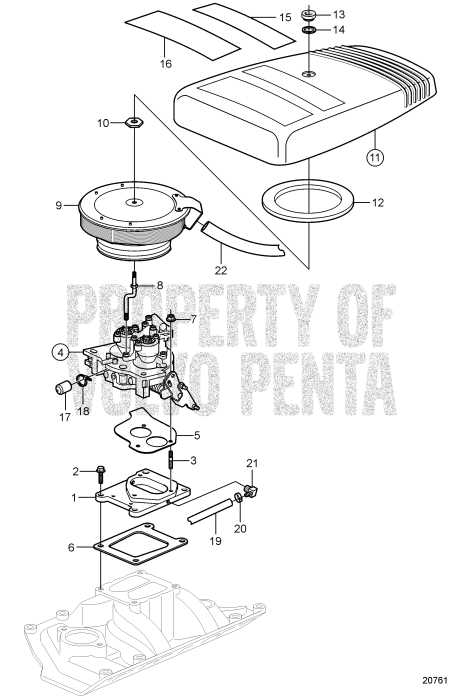
For smooth operation and long-term durability, it’s important to understand the internal components of any marine engine. This knowledge helps in pinpointing issues quickly and performing necessary repairs or replacements. By reviewing component schematics, you can identify the parts that need attention and prevent expensive breakdowns.
Each diagram provides a clear visual reference, showing the layout and connections between the different sections of the system. Knowing how to interpret these visuals allows you to perform effective troubleshooting, identify damaged parts, and find the exact replacements. This approach ensures proper function and helps extend the engine’s lifespan.
If you’re maintaining a boat engine, start by familiarizing yourself with the components commonly found in the schematics. Recognizing the layout will make repairs easier and improve your overall efficiency during routine checks. Always ensure the components are functioning as designed, and check for wear and tear before it turns into a major problem.
Understanding the Key Components of Marine Engines
Familiarize yourself with the most critical engine components to ensure proper maintenance and troubleshooting. Key elements include the cylinder block, pistons, crankshaft, and fuel system. These elements work together to power the engine and ensure efficient performance on the water.
The cylinder block houses the pistons and provides the main structure for the engine. Over time, this part can experience wear, leading to reduced performance. Regular inspection is necessary to detect any cracks or leaks. The pistons move up and down in the cylinders, creating the power needed to drive the boat. Any damage to the pistons can cause a loss of compression, which affects engine efficiency.
The crankshaft is responsible for converting the pistons’ up-and-down motion into rotary motion. This component is highly stressed and should be checked periodically for signs of wear or fatigue. The fuel system, consisting of the fuel pump, injectors, and filters, ensures the engine receives the proper fuel-to-air mixture. Clogged injectors or filters can severely impact engine performance, requiring immediate attention.
Understanding these core components and their roles will allow for more effective maintenance, quicker problem detection, and an overall smoother operation of your marine engine.
How to Use Engine Component Schematics for Efficient Maintenance
Start by locating the correct schematic for the engine model you’re working on. These schematics provide a clear view of all key components, helping you identify parts and their connections. This enables you to target specific areas when performing maintenance or repairs.
Once you have the schematic, zoom in on the relevant sections for the task at hand. For instance, if you’re replacing a worn-out pump or inspecting the cooling system, the diagram will show how these parts are assembled and where the connections are. This can prevent unnecessary disassembly and save time.
Next, cross-reference the component numbers and names with the manufacturer’s manual to ensure you’re using the correct replacement parts. Often, the schematic will include part numbers that can be directly matched to available inventory. This reduces the chance of ordering incorrect components.
Finally, after any replacement or repair, refer back to the diagram to verify that all components are correctly reassembled and that connections are secure. This step ensures the system runs smoothly and reduces the risk of malfunction.