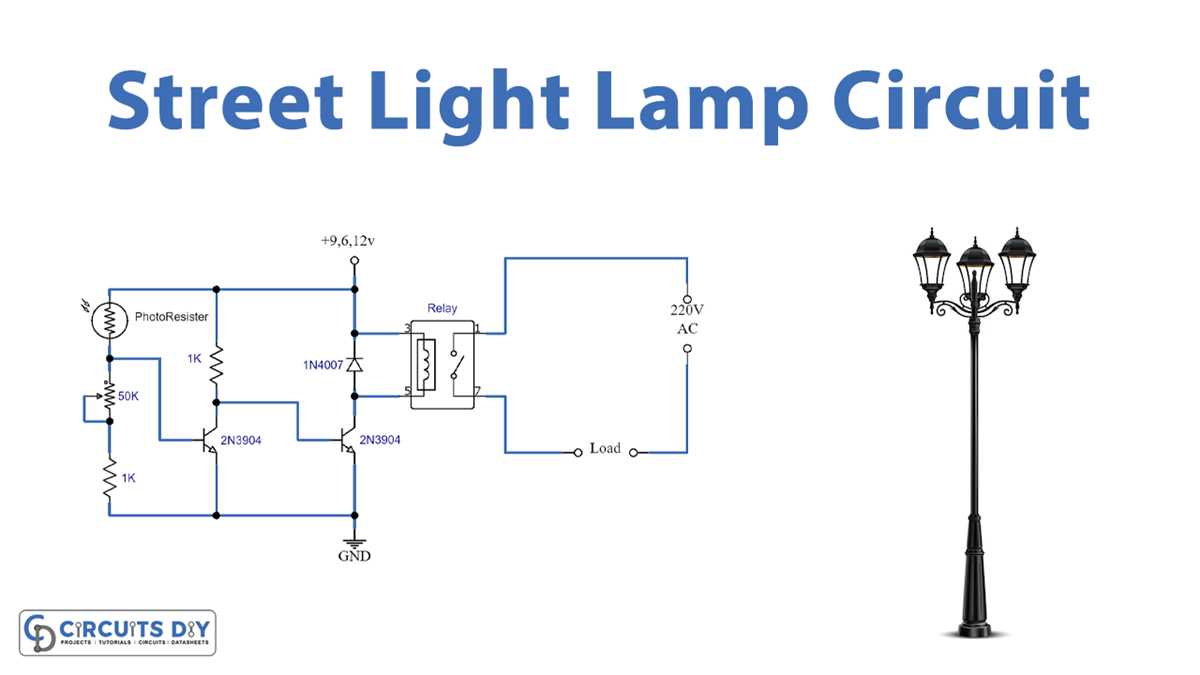
Start by gathering the necessary materials: a switch, a socket, appropriate wiring, and connectors. For most basic setups, use copper wire with the correct gauge to handle the load, usually 14 AWG for residential applications. Ensure that all components are rated for the voltage and current of your circuit.
Next, carefully follow the manufacturer’s instructions for each device. The switch should be wired in series with the power source, and the socket will need both a live and neutral connection. Pay close attention to the color coding of wires: typically, black or red is used for the live wire, white for neutral, and green or bare for ground. Secure all connections tightly to prevent accidental shorts.
Tip: Before powering up the system, double-check all connections and test the circuit with a voltage tester to ensure everything is wired correctly. This will help avoid any hazards or malfunctions during operation.
Basic Electrical Setup Guide
Start by selecting the appropriate components, such as a switch, power source, and socket. The wiring should be done with copper wire of the correct gauge, typically 14 AWG for standard home applications. The switch will control the flow of electricity, while the socket receives power when the switch is on. The live wire should be connected to the switch, and the neutral wire should connect to the socket’s neutral terminal. Make sure all wire ends are stripped and securely attached to avoid poor connections that could lead to malfunction or fire hazards.
Once everything is connected, perform a safety check by ensuring there are no exposed wires or loose connections. Test the system by turning on the switch and checking if the socket is energized. Use a voltage tester to verify the power is flowing as expected. If everything functions correctly, the setup is complete and ready for use. Always remember to turn off the main power source before starting any electrical work to avoid the risk of shock.
Choosing the Right Components for a Basic Electrical Setup
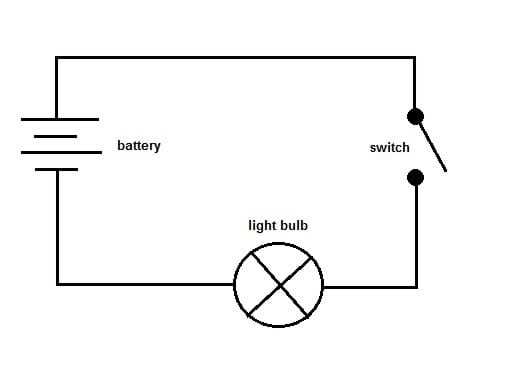
Selecting the right components is crucial for a safe and functional installation. Begin with the power source, ensuring that it can handle the required voltage and current for the setup. Typically, for a standard home setup, a 120V or 240V source will be sufficient. The breaker should be rated according to the total load the system will carry, with a standard 15-20A circuit breaker being suitable for most common applications.
The next step is choosing the proper switch. Ensure that the switch is rated for the voltage and current it will handle. For most residential installations, a standard single-pole switch rated for 15A at 120V will work. For higher loads, use a switch rated for the higher amperage required. Always check the specifications of the switch to ensure it matches the system requirements.
The socket is another critical component. Choose a socket that is compatible with the voltage of your setup and can accommodate the type of bulb or device you intend to power. For most applications, standard outlets are rated for 15A, but if you’re planning to run multiple devices, you may need a higher rating. Look for UL-approved or other certified products to ensure quality and safety.
Wiring is also an important consideration. Use copper wire of the correct gauge based on the total amperage of the circuit. For 15A circuits, 14 AWG wire is typically used, while 12 AWG wire is suitable for 20A circuits. Always verify the wire gauge with the load specifications of the circuit. The wire should be durable and able to withstand the temperature and conditions of its environment.
Grounding is a safety feature that should never be overlooked. Ensure that all components are properly grounded to prevent electrical shock hazards. The ground wire should be securely attached to the metal parts of the switch, socket, and any other conductive elements. For best practice, connect the ground wire to the main electrical panel’s grounding bar.
Insulation is another important aspect to consider. All wires and connections should be properly insulated to avoid short circuits or electrical shocks. The insulation rating should match the intended use, and any exposed wires or connections should be carefully covered to prevent accidental contact.
Finally, before beginning any installation, check local electrical codes and regulations to ensure compliance. Using certified components and adhering to local building codes will help avoid future issues and ensure the safety of the entire electrical setup. Always prioritize quality over cost when selecting components to guarantee long-term reliability.