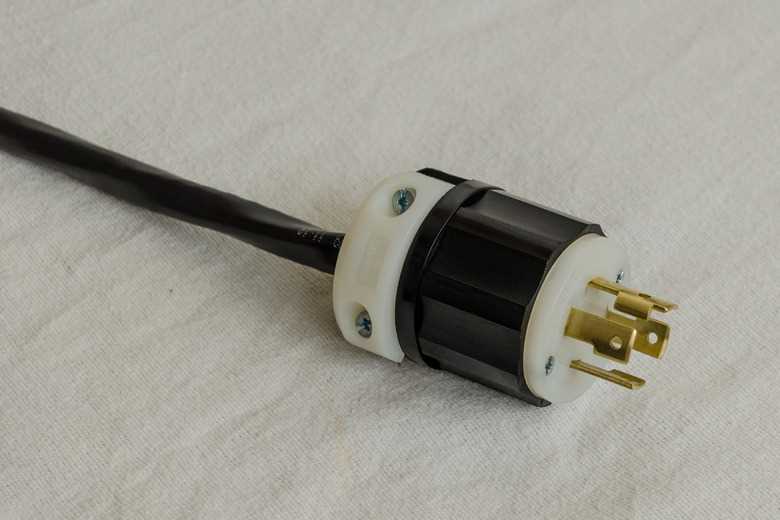
Ensure that each conductor is securely attached to its corresponding slot to prevent overheating and maintain stable current flow. Red wires typically carry the active phases, while white serves as the neutral return, and green connects to the grounding terminal.
Use a screwdriver to tighten all screws without over-torquing, which can damage the metal contacts. Check continuity with a multimeter before applying full voltage to confirm correct placement of each wire.
Keep conductors organized and free from overlapping or sharp bends. Proper strain relief at the connector body prevents accidental disconnections or fraying, ensuring long-term reliability and safety of the appliance connection.
Practical Guide to Connecting a 4 Terminal Appliance Connector
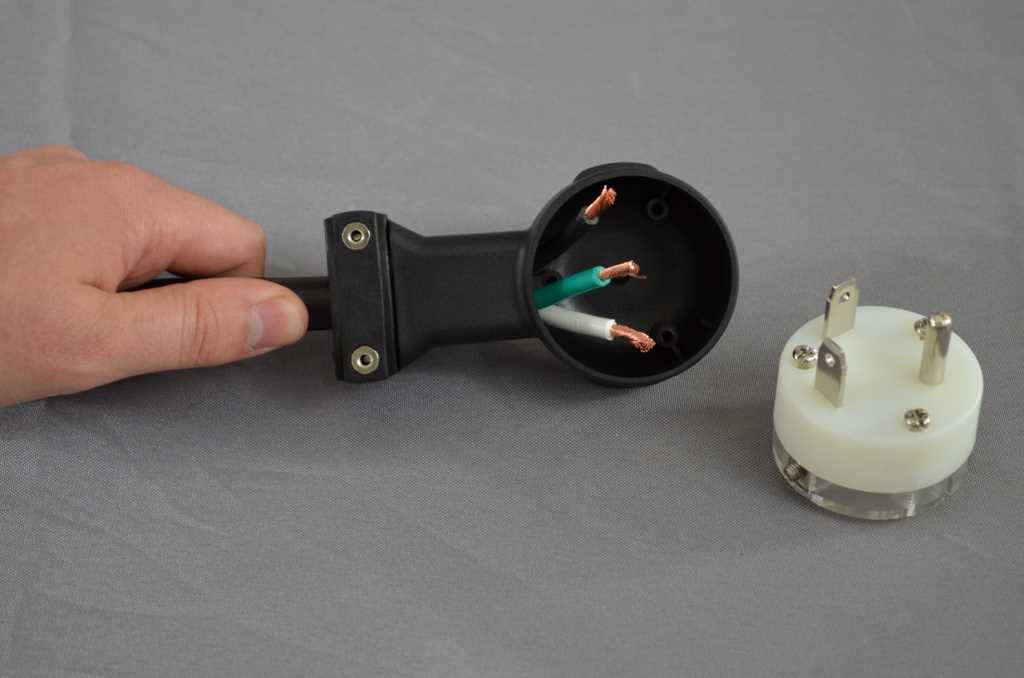
Attach each conductor to its designated slot with a firm screw connection. Hot lines are usually red or black, neutral is white, and ground is green or bare copper. Verify that the wires are stripped to the correct length, typically around 3/8 inch, to ensure full contact without exposing excess metal outside the terminal.
After securing the conductors, perform a continuity check using a multimeter to confirm that connections match the appliance requirements. Keep cables organized with a clamp or strain relief to prevent pulling on terminals, and ensure no bare sections touch each other, reducing the risk of shorts or shocks during operation.
Identifying Each Terminal and Its Role in the Connector
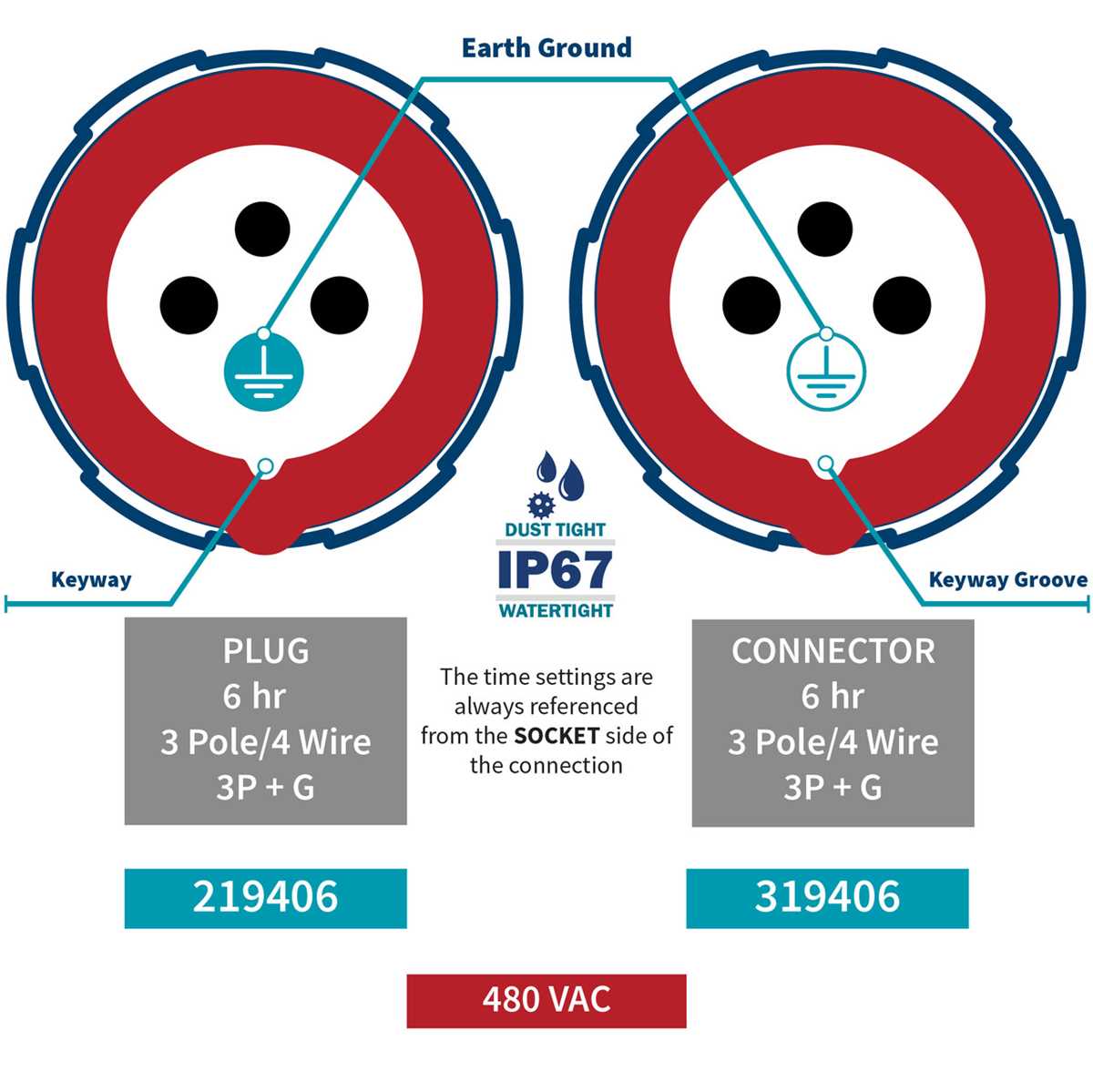
Start by recognizing the function of each terminal in a four-conductor connector. The two hot terminals carry the active current and are typically marked with red and black colors. These conductors provide the voltage necessary for high-power appliances and must be securely fastened to prevent loose connections that could cause overheating.
The neutral terminal is usually white and completes the circuit by returning current to the source. It should be tightly secured to maintain proper voltage balance and reduce the risk of arcing or electrical noise that could affect appliance performance.
Ground conductors are identified by green or bare copper and act as the safety path for stray current. Always connect the ground first when assembling the connector to ensure protection during testing and prevent potential shocks.
Check the metal contacts inside each terminal for corrosion or wear before installation. Damaged or oxidized contacts can cause intermittent power loss or appliance malfunction. Use a fine abrasive tool to clean the surfaces if necessary.
Mark each terminal clearly with its function if the appliance or source does not provide color coding. Labeling reduces the risk of reversed connections and makes future maintenance faster and safer.
When inserting conductors, ensure that insulation stops just before the terminal plate. Exposed wires beyond the terminal can touch other contacts, creating shorts or potential fire hazards. Use a strain relief to keep cables from pulling out under tension.
After securing all conductors, perform a continuity test for each path: two for active lines, one for neutral, and one for ground. This verification ensures that each terminal is properly connected and ready to safely handle the appliance’s load without electrical faults.