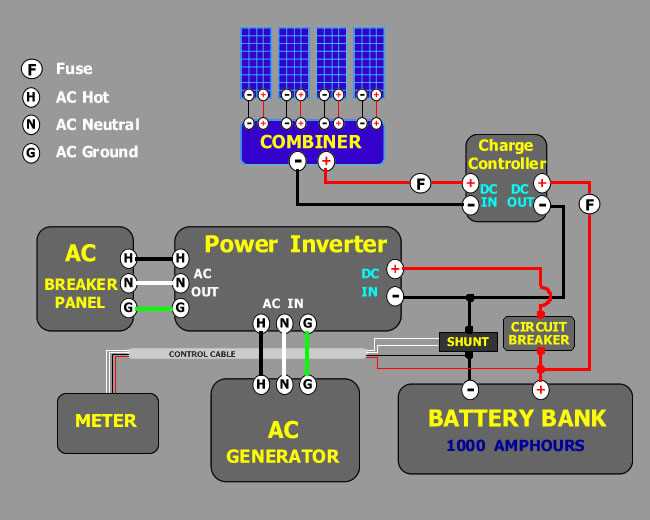
Verify the output rating of each module before linking them together. Ensure that voltage and current specifications match the intended load and controller capacity to prevent overloading.
Decide on series or parallel arrangement based on required system voltage and current. Series connections increase voltage while maintaining current, and parallel connections increase current while maintaining voltage.
Use appropriate connectors and insulation to secure all conductors. Exposure to weather or mechanical stress can degrade connections, leading to performance loss or hazards.
Check polarity before final installation to avoid reversing the positive and negative terminals. Incorrect connections can damage controllers and storage units.
Measure open-circuit voltage after connecting modules but before attaching to the load. This ensures that the array generates expected voltage levels and identifies potential faults early.
Photovoltaic Module Connection Guide
Start by determining the configuration needed for your system. For higher voltage, link modules in series. For increased current, arrange modules in parallel. Ensure all connections maintain correct polarity to prevent damage to controllers or storage units.
Follow these steps for safe setup:
- Inspect terminals and connectors for corrosion or loose contacts.
- Secure each module with appropriate clamps or brackets.
- Measure open-circuit voltage before connecting to charge controllers.
- Use insulated connectors to prevent accidental contact.
- Verify system performance under low load before full operation.
Choosing Series or Parallel Connections
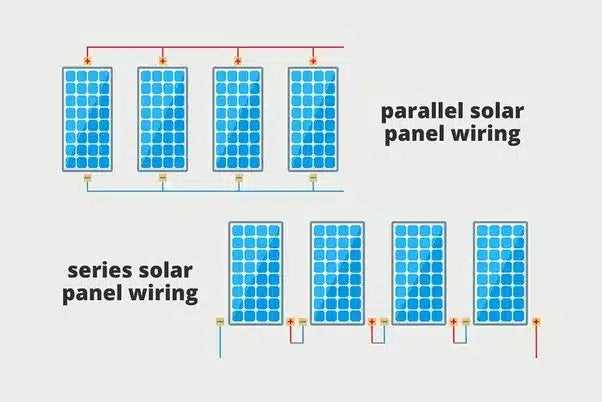
Determine system voltage requirements before linking modules. Series arrangements increase the total voltage while keeping current constant. This is useful for systems that require higher input voltage to charge storage units efficiently.
Consider current demands when deciding on parallel connections. Parallel arrangements increase the total current while maintaining voltage, which is beneficial when powering multiple low-voltage loads simultaneously.
Practical Setup Tips
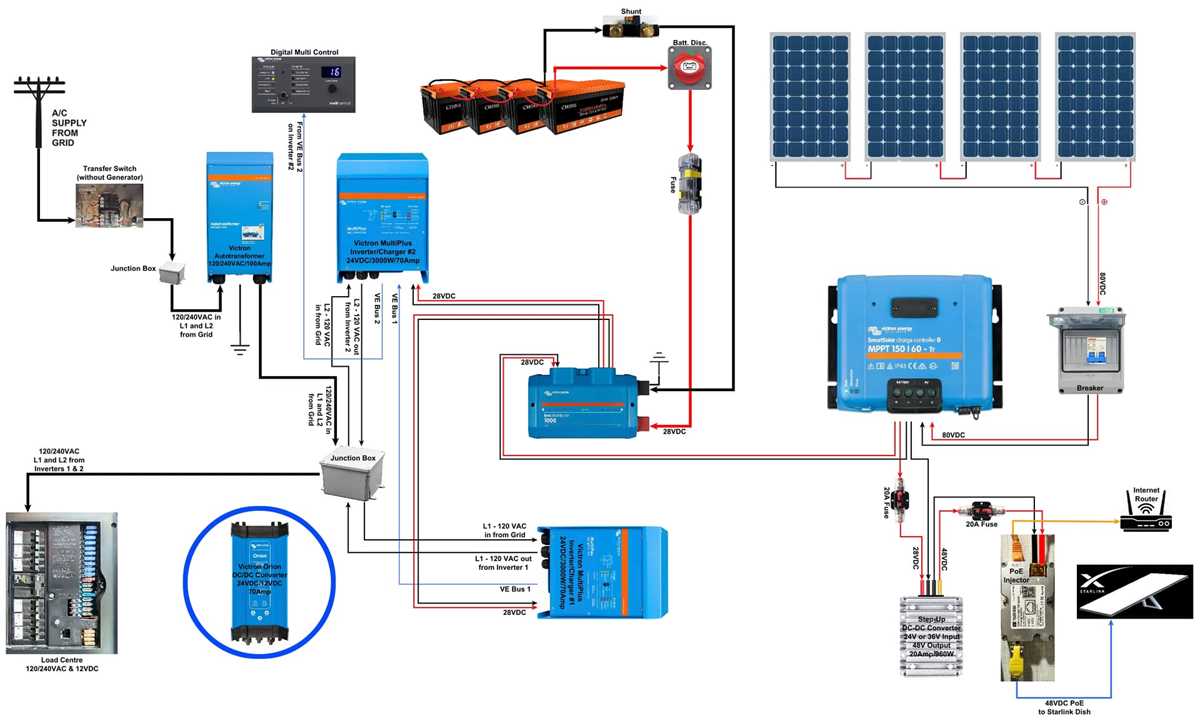
Check individual module ratings to ensure uniform output. Mismatched modules in series can cause reduced performance, while uneven modules in parallel can lead to imbalanced current distribution.
Use fuses or breakers for each string in both series and parallel setups. This protects the system from short circuits and prevents overload damage to the modules and connected devices.
Testing and Verification
Measure combined output after assembly but before connecting to controllers or storage units. Confirm that voltage and current align with design expectations and verify that all terminals are securely fastened to avoid energy loss or safety hazards.