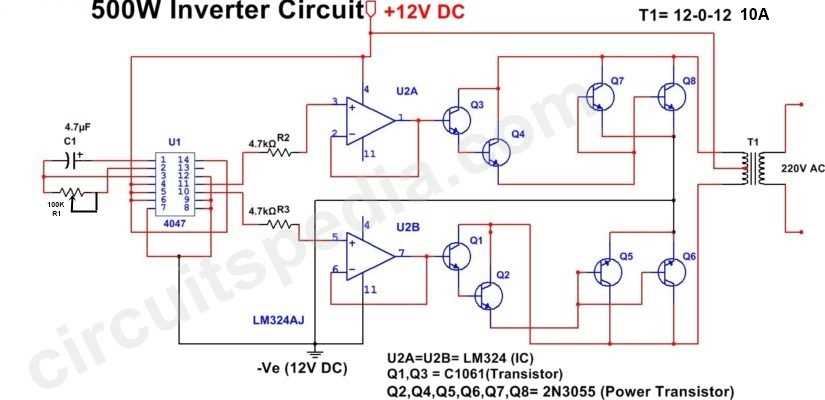
Connect a stable battery source to the input terminals and verify polarity before applying power. Use proper gauge wires to handle current without excessive heat buildup.
Install protective fuses on both positive and negative lines. Choose fuse ratings slightly above the maximum load to prevent damage while allowing normal operation.
Identify and position power transistors and oscillators for signal inversion. Ensure heatsinks are properly mounted to dissipate heat generated during operation.
Connect step-up transformers to the output section, matching voltage and current requirements. Verify connections against manufacturer specifications to avoid overvoltage or short circuits.
Route all signal and power lines separately to minimize interference. Bundle and secure cables to prevent chafing and accidental disconnections.
Test the setup under low load conditions first, measuring AC voltage and waveform stability. Observe for abnormal heating or voltage fluctuations to identify potential issues before full load use.
Document each connection, component rating, and test reading. Keep this reference for future maintenance or replication of the power conversion system.
Building a Low Voltage to High Voltage Power Converter
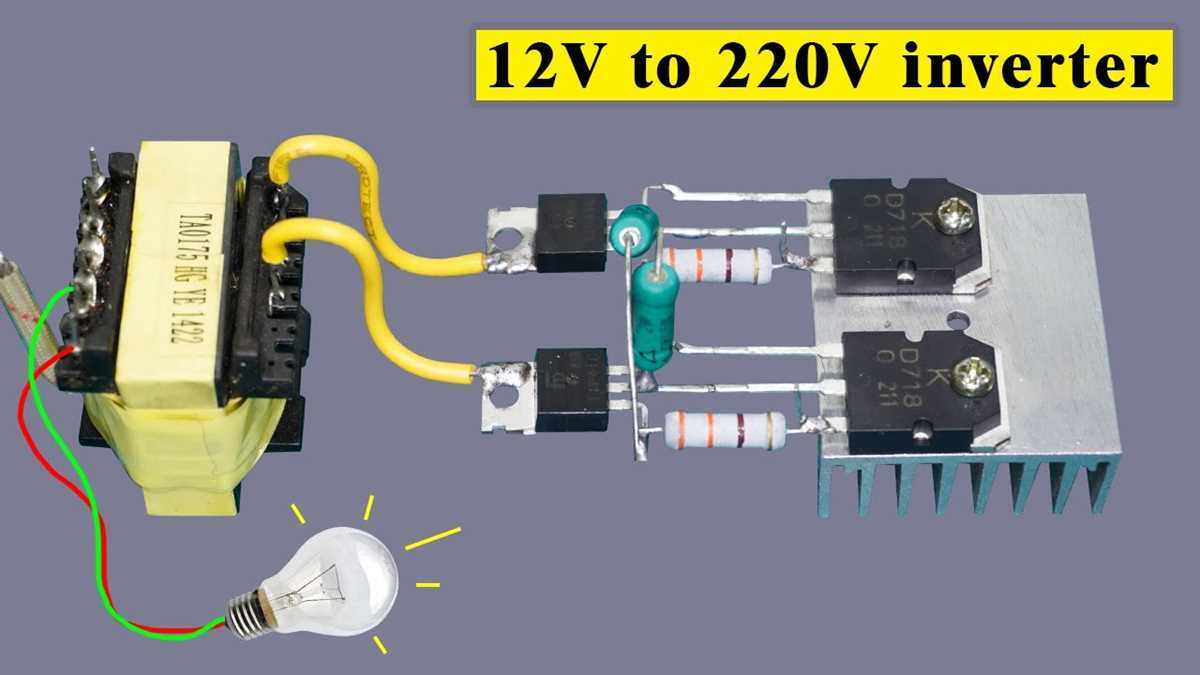
Connect the battery pack to the input terminals using thick copper wires capable of handling peak currents. Install fuses on both positive and negative lines to protect the system from overload. Mount the oscillator and power transistors on insulated heatsinks to prevent thermal damage during continuous operation.
Follow these steps to assemble the output section:
- Attach the step-up transformer to the transistor outputs, verifying primary and secondary windings.
- Connect filter capacitors and protective diodes according to the voltage ratings of the load.
- Separate AC lines from DC feed lines to reduce interference and maintain waveform integrity.
- Test the setup at low load first, measure voltage, and observe for overheating before full load operation.
Selecting Components and Voltage Ratings for the Converter
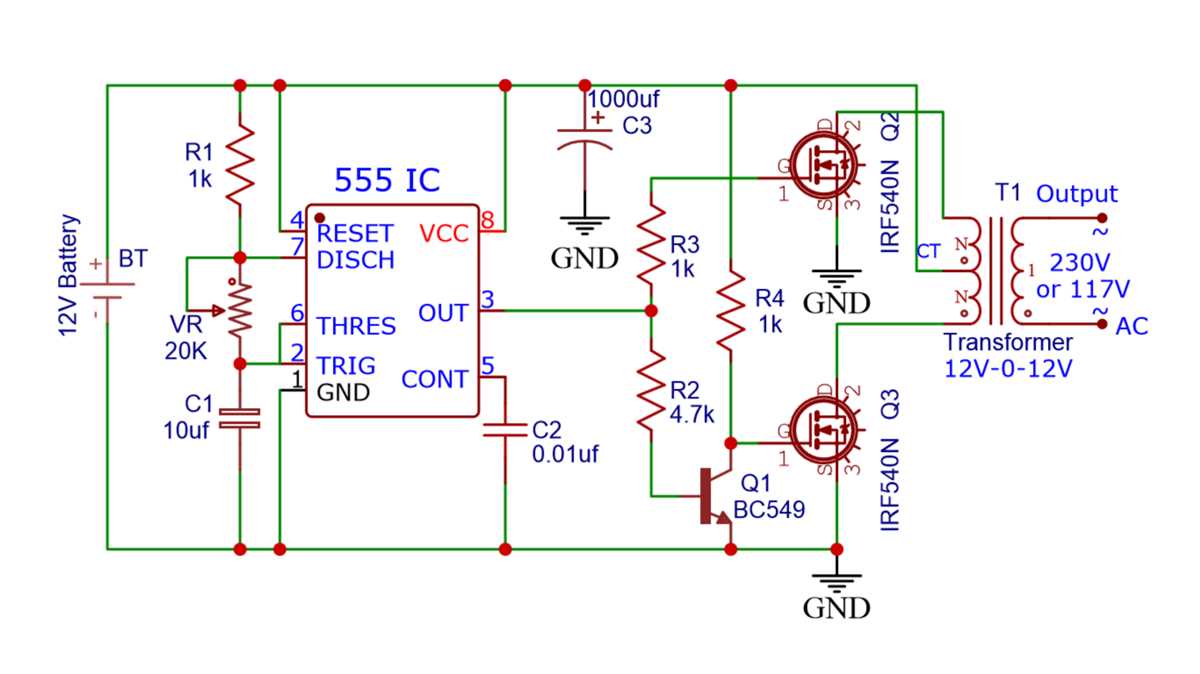
Choose transistors and MOSFETs that can handle at least 30% more current than the maximum expected load. Verify voltage ratings of capacitors and diodes to withstand peak output voltage and prevent breakdown. Include protective fuses sized to the input supply to avoid damage from short circuits or accidental overloads.
For the transformer and filter section, match the primary and secondary windings to the desired output voltage and current. Use heat-resistant wiring for all connections and install ceramic or electrolytic capacitors rated above the maximum ripple voltage. This ensures stable performance and reduces the risk of thermal failure under continuous operation.