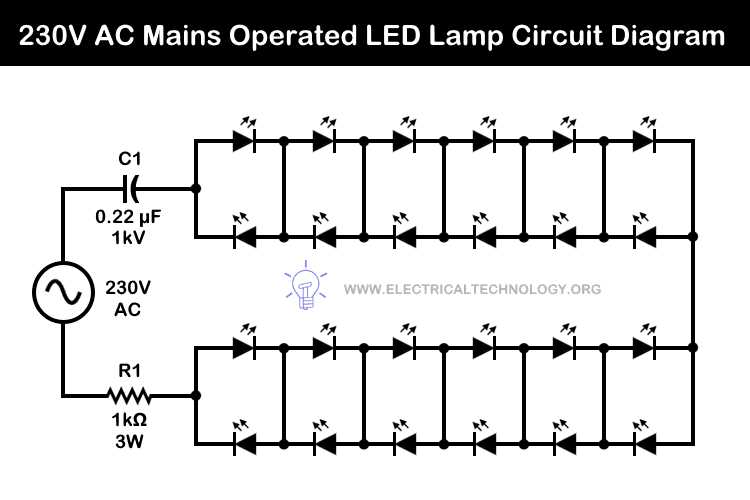
To build an efficient setup for your lighting system, the first step is selecting the right components for your setup. A good starting point is identifying the voltage and current requirements of your setup. You must ensure that the power supply matches the specifications needed for the LEDs to work properly, avoiding unnecessary heat or energy waste. Start with a proper resistor and a voltage regulator to stabilize the current flowing through the setup.
Next, consider the type of wiring you will use. You need to ensure the wiring gauge is appropriate for the power being drawn. For most low-power applications, 22 to 18 gauge wire will suffice. However, for higher wattage setups, larger wires will be necessary to prevent overheating. Be sure to also use proper connectors, which are rated for the power draw of your system to ensure safety and reliability.
The placement of your components and how they are connected to each other also plays a key role in system performance. Make sure your components, like the resistors and capacitors, are placed in such a way that minimizes energy loss. Proper heat dissipation is equally important, so consider using heat sinks or adding ventilation to avoid damaging the components.
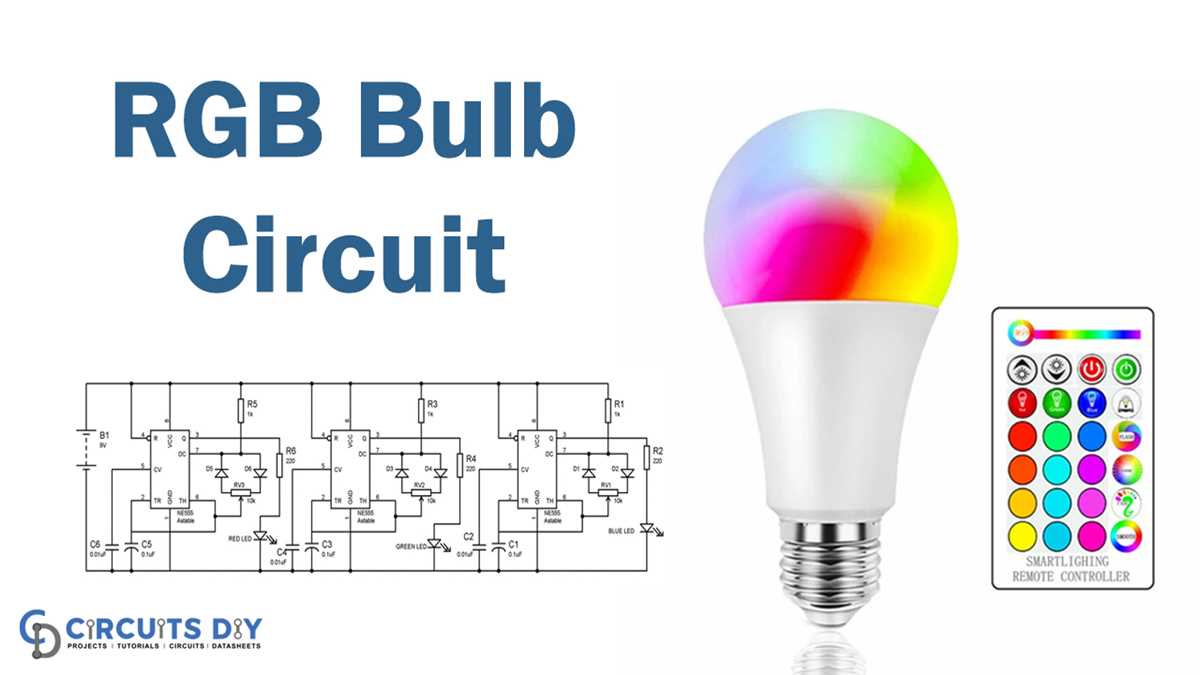
LED Light Bulb Circuit Design
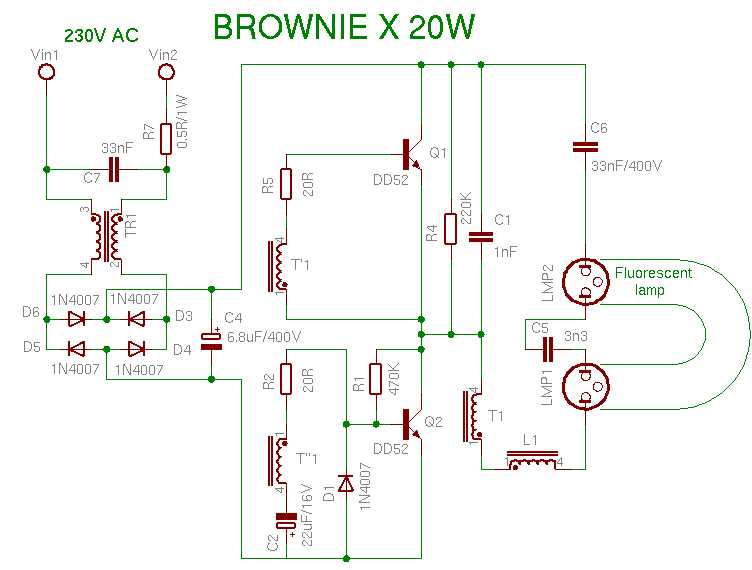
Start by determining the voltage and current specifications for your device. Choose components such as resistors and capacitors that can handle the specific power levels required by the LEDs. Ensuring the right resistance is key to maintaining the proper current, preventing overheating or damage to the components.
Use a current-limiting resistor to prevent excessive current from flowing through the LED. Calculate the value of the resistor by subtracting the forward voltage of the LED from the supply voltage, then dividing by the desired current. This ensures that the component operates within its safe limits.
A capacitor can be used to smooth out fluctuations in the power supply. Place it in parallel with the LED to filter out any spikes or drops in the voltage, allowing for more stable performance. Ensure that the capacitor has a voltage rating higher than the supply voltage.
If you are designing for multiple LEDs, consider using a series-parallel arrangement. Connecting multiple LEDs in series ensures that they receive equal current, while a parallel connection helps distribute the voltage evenly. Make sure the total voltage drop across the LEDs matches the supply voltage.
To optimize efficiency, use a constant current power supply. These power sources ensure the LEDs receive a steady current regardless of changes in voltage, which is critical for maintaining consistent brightness and preventing damage. Choose a power supply with a current rating higher than the total demand of your setup.
For heat management, consider integrating heat sinks or thermal pads. These components help dissipate the heat generated by the LEDs, especially in high-power applications. Place them in direct contact with the parts of the setup that are prone to heating, such as the diode or the power supply.
In some cases, you may also need a driver to control the current. A suitable driver can help manage the voltage and ensure that each LED receives an appropriate amount of power. Ensure that the driver’s specifications match the requirements of your design, especially if you plan to run the LEDs for extended periods.
Lastly, test the entire system under real-world conditions. Measure the current, voltage, and temperature to ensure that everything is operating within safe and efficient limits. Monitor the components regularly to detect any signs of overheating or underperformance.
How to Choose the Right Components for an LED Light Circuit
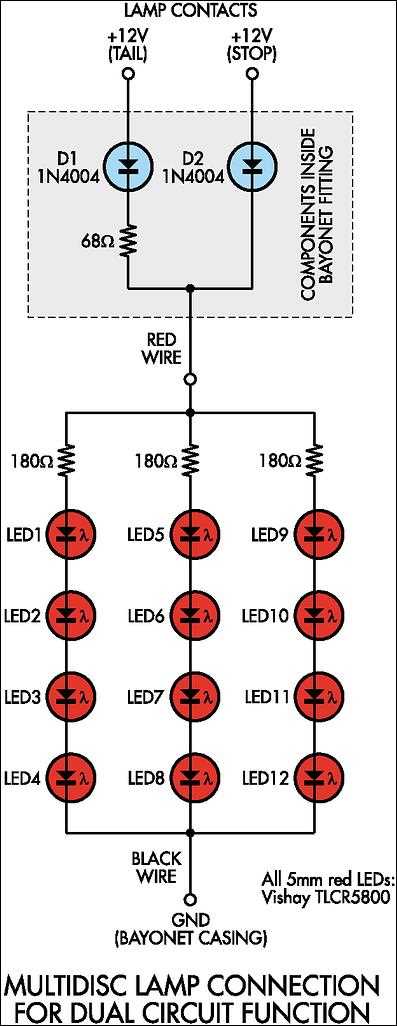
To begin, determine the voltage and current ratings of your setup. Choose components that match the voltage requirements of your diodes and avoid exceeding the maximum current rating to prevent damage. Always check the specifications of the source to ensure compatibility.
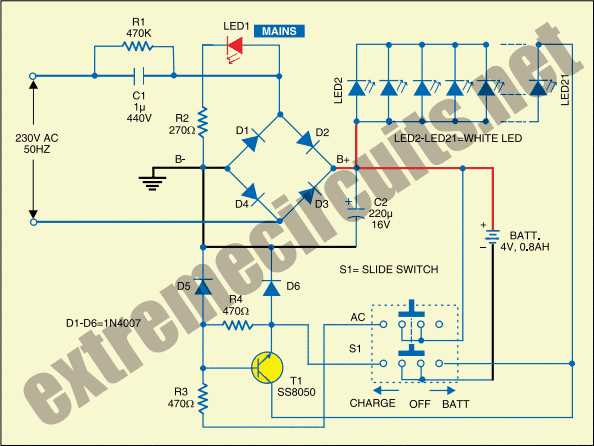
Next, select a resistor with the correct value to regulate the current flow. This will prevent excess current from reaching the diodes and causing overheating. Use Ohm’s Law to calculate the resistor value: subtract the forward voltage from the supply voltage, then divide by the desired current.
If you’re designing for a higher number of diodes, consider a constant current driver. This component will help maintain a steady flow of power, keeping your diodes consistent in brightness and ensuring they are not overdriven. Make sure the driver is rated for the total current your design will require.
For power efficiency, use a suitable power supply. Match the power supply’s output with the required voltage and current, ensuring it can provide a consistent and stable power source. It’s often advisable to choose a power supply with a slightly higher current rating than required.
When working with a high-power configuration, heat management becomes a priority. Integrate heat sinks or thermal pads to dissipate heat effectively. Attach these components to areas that generate the most heat, such as the diodes or any current-limiting resistors.
Capacitors are another useful component to stabilize the power supply. Choose a capacitor with an appropriate voltage rating that exceeds the supply voltage. Placing the capacitor in parallel can help filter out voltage spikes, providing smoother operation and preventing flickering.
Finally, consider adding protective elements like diodes for reverse voltage protection or fuses to safeguard the entire system from electrical surges. These components help to extend the lifespan of the entire system and protect against potential damage caused by voltage spikes.