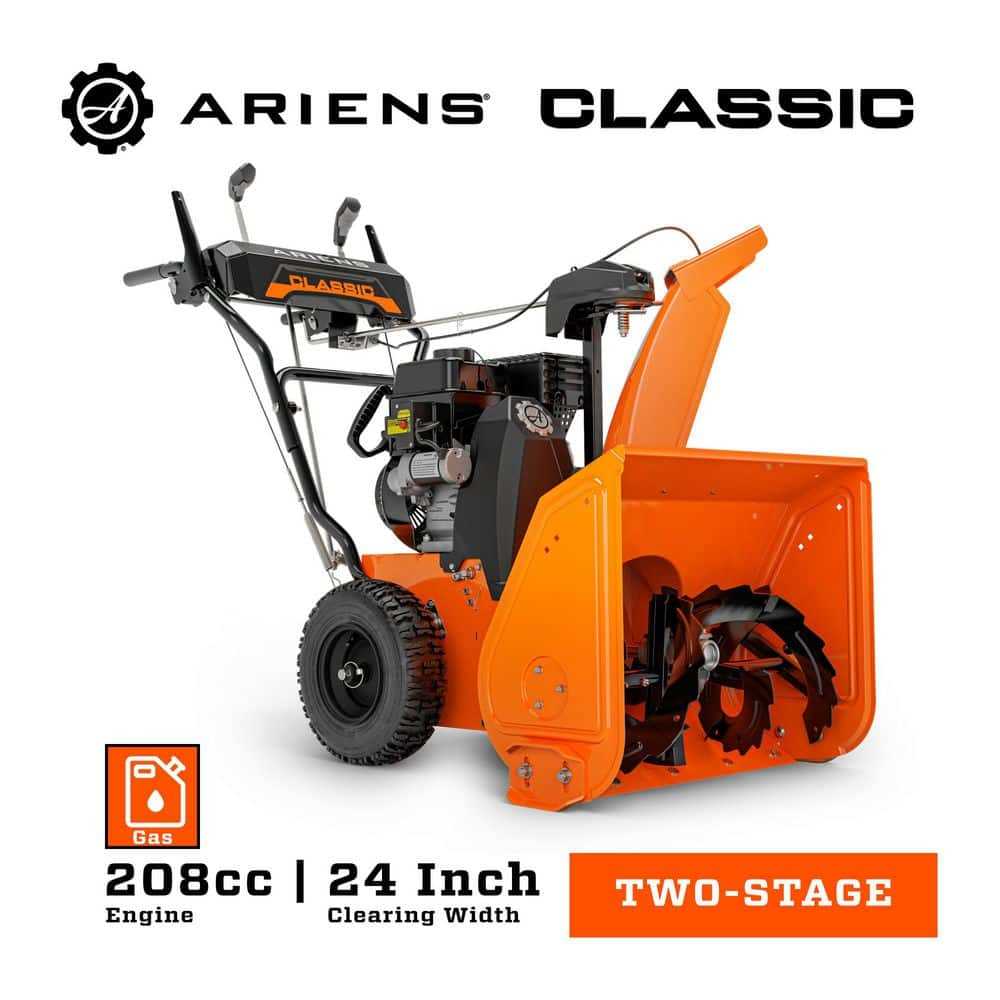
To maintain smooth operation, focus on regularly inspecting the impeller assembly, which is responsible for throwing snow. If you notice any loss of power or difficulty in clearing snow, the blades or housing may be worn out and require replacement. Always check for cracks or corrosion around the edges, as they can reduce performance.
The drive belt transfers power from the engine to the auger and impeller, making it a critical part of the system. If the equipment struggles to start or there’s a grinding sound, the belt may be slipping or frayed. Replacing the belt will restore normal function and avoid further damage to the machine.
Another key part to inspect is the shovel assembly. Over time, the shovels can become bent or dull, making them less effective at cutting through dense snow. If you find the shovels are damaged, it’s best to replace them immediately to avoid unnecessary strain on the engine and improve clearing efficiency.
How to Identify Key Components in an Old Snow Clearing Machine
Start by inspecting the impeller assembly. It’s responsible for ejecting snow, and any cracks or damage can severely impact performance. Check the blades for wear and ensure the housing is intact without any visible holes.
The drive belt connects the engine to the auger, transferring power. If the belt appears worn or there’s unusual slippage, replace it to maintain smooth operation. Inspect the belt for cracks or fraying, especially in high-stress areas.
- Chute control: Examine the chute control mechanism for ease of movement. If it feels stiff or unresponsive, lubricate the moving parts or replace the cables if they’ve snapped.
- Shovel blades: Inspect the shovel blades for dents, bends, or dullness. Worn-out blades reduce efficiency and can damage the housing, so replacing them will ensure better snow clearing.
- Engine components: Check spark plugs, carburetors, and fuel lines for wear. If the engine is slow to start or sputtering, cleaning or replacing these components might be necessary.
Finally, take a close look at the control panel for any broken switches or faulty wiring. If the panel isn’t responding, damaged wiring may need to be repaired or replaced to restore full functionality.
Step-by-Step Guide to Replacing Worn-Out Snow Clearing Equipment Components
To begin, disconnect the spark plug to prevent accidental starting while working on the machine. Lift the front end off the ground using a jack or suitable lifting device for easy access to the drive system.
Start with the impeller blades. Use a wrench to remove the bolts securing the blades to the shaft. Inspect the blade mounting area for any wear and replace the blades with new ones if necessary. Tighten the bolts securely before moving on.
Next, check the drive belt for wear or damage. If the belt appears frayed or cracked, remove the cover protecting the belt system. Loosen the tensioner and slide the old belt off. Replace it with a new one and adjust the tension to ensure proper fit and function.
Move on to the shovel blades. Remove the bolts holding the blades in place and detach them from the auger assembly. Replace with new blades and ensure they are aligned correctly to maintain efficient snow clearing.
For any control issues, inspect the chute control cables. If the cables are broken or too stiff, remove the old cables and install new ones, following the correct routing and securing them in place.
Lastly, check the fuel system components for any signs of wear, especially the fuel lines and carburetor. If the engine is not starting smoothly, clean or replace the carburetor as needed, and inspect the fuel lines for cracks or leaks.
Once all components are replaced, reassemble the machine, check all bolts for tightness, and perform a test run to ensure everything is functioning properly.
Common Issues with Old Snow Clearing Machines and How to Fix Them
If your machine isn’t starting, the issue could be with the spark plug. Check for any dirt or corrosion. Clean or replace the spark plug if necessary to restore ignition. Make sure the gap is properly set according to the manufacturer’s specifications.
Another frequent problem is poor snow throwing performance, which may be caused by a worn-out impeller. Inspect the impeller for cracks, corrosion, or blade damage. If necessary, replace the impeller assembly to improve snow throwing power and efficiency.
If the machine is not moving or operating sluggishly, the drive belt may be the cause. Over time, belts can stretch or fray. Remove the cover and inspect the belt for wear. Replace it with a new one if it shows signs of damage, and ensure proper tension is applied.
If you hear unusual noises or vibrations while operating, the issue might be with the wheel bearings or shovel blades. Check for any wear or obstructions in the bearings. If there’s excessive play, replace the bearings. Also, inspect the blades for damage or dullness and replace them if needed.
Difficulty in adjusting the chute control is common as cables wear over time. If the chute is stuck or doesn’t respond, inspect the cables for any fraying or damage. Replace the cable if needed and lubricate the control mechanism for smooth operation.
If the engine is sputtering or not running smoothly, it could be due to clogged fuel lines or a dirty carburetor. Remove the carburetor and clean it with carburetor cleaner. Inspect the fuel lines for cracks or leaks, and replace them if necessary to prevent fuel flow issues.