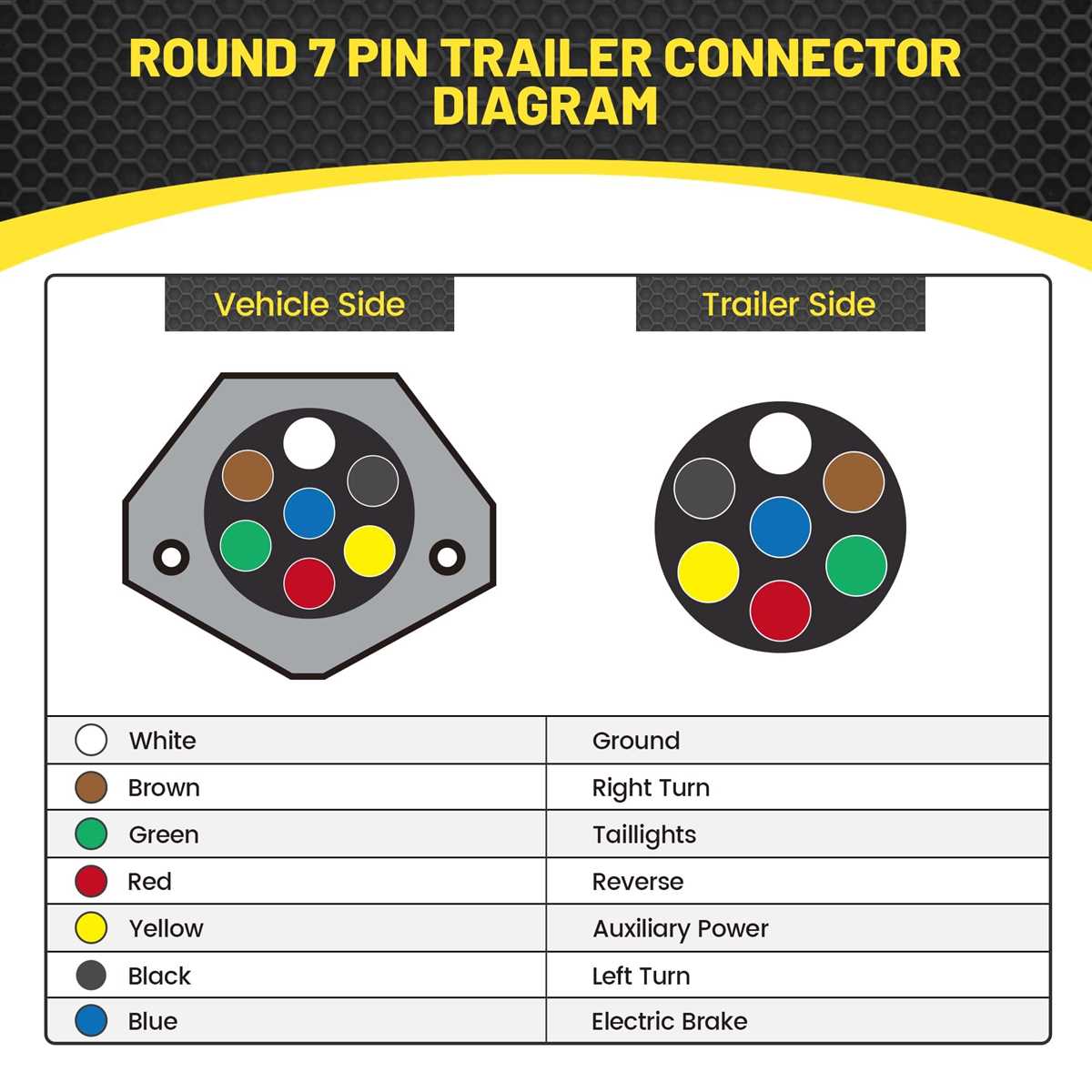
Ensure all connectors match the standardized pin configuration to avoid shorts or signal loss. Using color-coded cables simplifies tracing brake, indicator, and auxiliary lines during assembly.
Always inspect insulation integrity before linking power and signal paths. Damaged jackets can cause intermittent faults or complete system failure under load, particularly on long hauls.
Secure all junctions with corrosion-resistant terminals and tighten screws to manufacturer torque specifications. Loose connections often lead to flickering lights or delayed response in braking circuits.
Label each cable at both ends to maintain consistency across multiple units. This practice reduces troubleshooting time and prevents accidental swapping of control or power feeds in complex setups.
Complete Guide to Electrical Connections on Heavy-Duty Towed Units
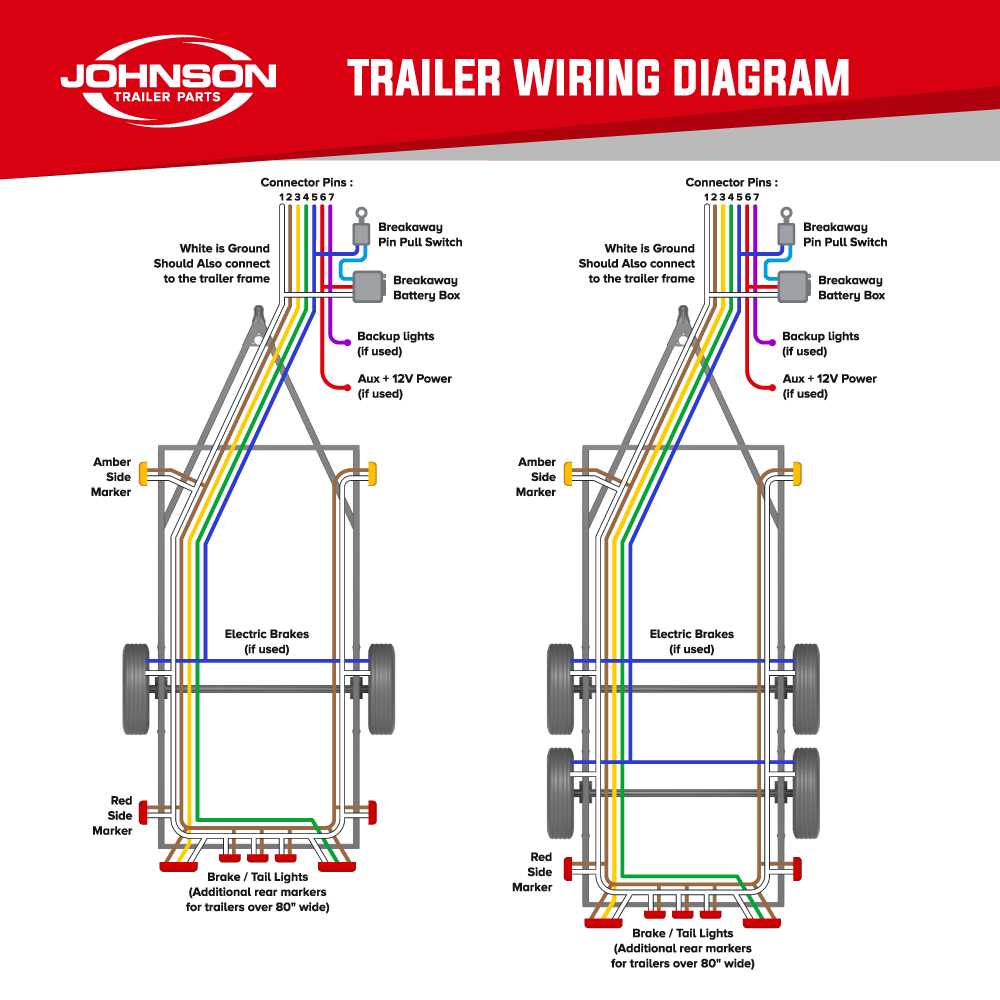
Verify all signal and power leads match the connector layout to prevent shorts or loss of control functions. Use multimeter testing to confirm continuity before securing ends into junctions.
Install protective grommets and conduit along high-flex sections of the chassis to prevent abrasion and maintain insulation integrity over repeated movements.
Securing Terminals and Relays
Tighten all bolts to manufacturer torque specifications and apply dielectric grease on contact surfaces. This reduces the risk of arcing and corrosion, which can cause flickering indicators or failed brake circuits.
Labeling and Testing Systems
Mark each conductor at both ends to maintain clarity across multiple units. Perform a full system check under load, including turn signals, marker lamps, and auxiliary feeds, to ensure all connections respond correctly before road use.
Identifying Key Connectors and Cable Functions on Heavy-Duty Towed Units
Inspect all main connectors visually to confirm proper alignment and intact pins. Misaligned contacts can lead to intermittent signals or total loss of auxiliary functions.
Use color-coded insulation as a guide to trace each conductor. Red usually carries power feeds, yellow and green often handle turn and marker signals, and white typically serves as a return path.
Connector Types and Mounting Locations
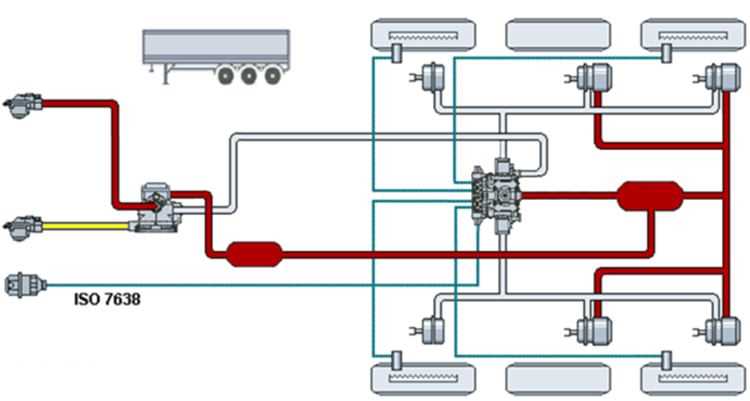
Pin-style plugs secured with threaded rings provide stable connections in vibration-prone areas. Blade connectors near junction boxes allow for quick replacements without cutting cables.
Check for sealed connectors in areas exposed to moisture. Rubber gaskets and heat-shrink tubing prevent corrosion, maintaining consistent signal flow across all functions.
Functional Testing and Documentation
After connections are secured, energize circuits individually and measure voltage at each end. Document the conductor path and connector type to simplify future troubleshooting and component swaps.
Regular inspection every 10,000 miles ensures continuity is maintained, preventing unexpected failures during operation. Labeling both ends of each line reduces errors when servicing multiple units.