Inspect all terminals and contact points for secure attachment before energizing any system. Loose connections can create arcing and localized overheating, which compromises insulation and operational safety.
Follow the identification markers on each insulating module to differentiate power and control lines. Color coding and labeling on the metal-enclosed sections indicate which paths carry load current and which are intended for auxiliary functions.
Confirm grounding continuity on all metal enclosures and mounting brackets. Proper grounding ensures fault currents are directed safely, reducing the risk of electric shock and minimizing potential damage to connected equipment.
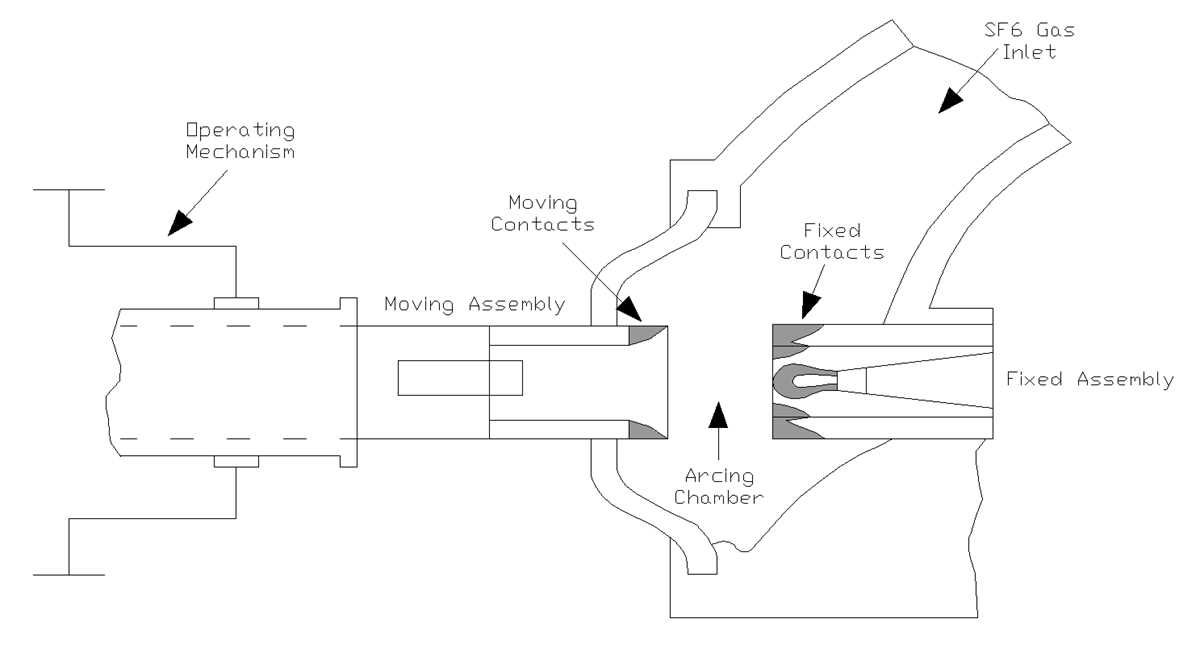
Check alignment of movable contacts with stationary terminals before operating the switch. Misalignment may prevent proper load interruption and can stress the operating mechanism, leading to premature wear.
SF6 Circuit Breaker Connections and Layout Overview
Verify all terminal points and connection bolts for secure engagement before applying power. Loose connections in high voltage switchgear can produce localized heating and arcing, which compromises insulation and may lead to equipment failure.
Identify each phase conductor using color coding or factory-applied labels. Typically, red, yellow, and blue markings indicate phases, while green or green-yellow is reserved for grounding paths. Correct phase identification ensures safe load distribution and prevents short circuits.
Map auxiliary control and monitoring lines to their designated terminals. Auxiliary connections for trip coils, sensors, and control relays must follow manufacturer labeling to avoid misoperation during testing or load switching. Always use insulated tools when adjusting these connections.
Grounding and Safety Alignment
Check all metallic enclosures, frames, and brackets for uninterrupted grounding continuity. Proper grounding directs fault currents safely to earth and reduces risk of shock or equipment damage. Ground clamps should be torqued to the specifications provided in service manuals.
Movable and Stationary Contact Placement
Ensure movable contacts are correctly aligned with stationary contacts. Misalignment can prevent proper load interruption, generate excessive heat, and accelerate mechanical wear. Inspect alignment visually and mechanically, adjusting linkages or guides as necessary for smooth operation.
Identifying Main Contacts and Insulation Components
Inspect all primary conductive links for visible wear or pitting. Main contact surfaces should be smooth and free of oxidation to maintain optimal current transfer. Even minor surface irregularities can increase resistance and cause overheating under load conditions.
Check insulation supports and barriers for cracks or discoloration. Polymeric or ceramic components that show stress marks may fail under high voltage stress. Replace compromised insulation immediately to prevent flashover or internal arcing.
Alignment of Movable and Fixed Contacts
Verify that movable contacts properly align with fixed conductors. Misalignment can prevent complete separation during operation, leading to partial arc formation. Use mechanical guides and adjust pivot points according to manufacturer tolerances for consistent performance.
Clearance and Creepage Distance Verification
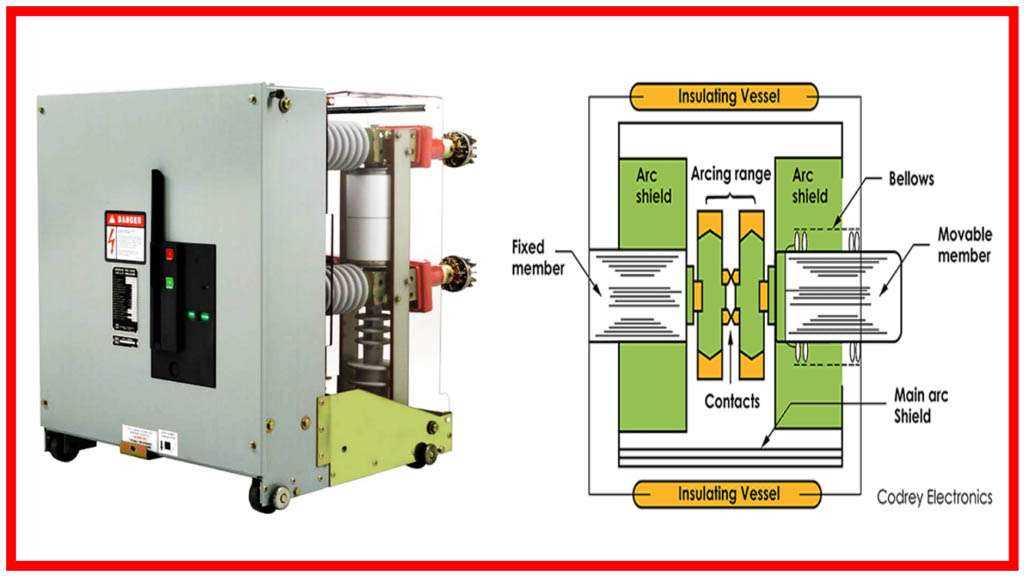
Measure air gaps and surface distances between energized components. Ensure minimum clearance meets voltage class requirements, as insufficient distance can cause unintended discharges. Maintain clean surfaces free of dust and moisture to preserve insulation integrity.