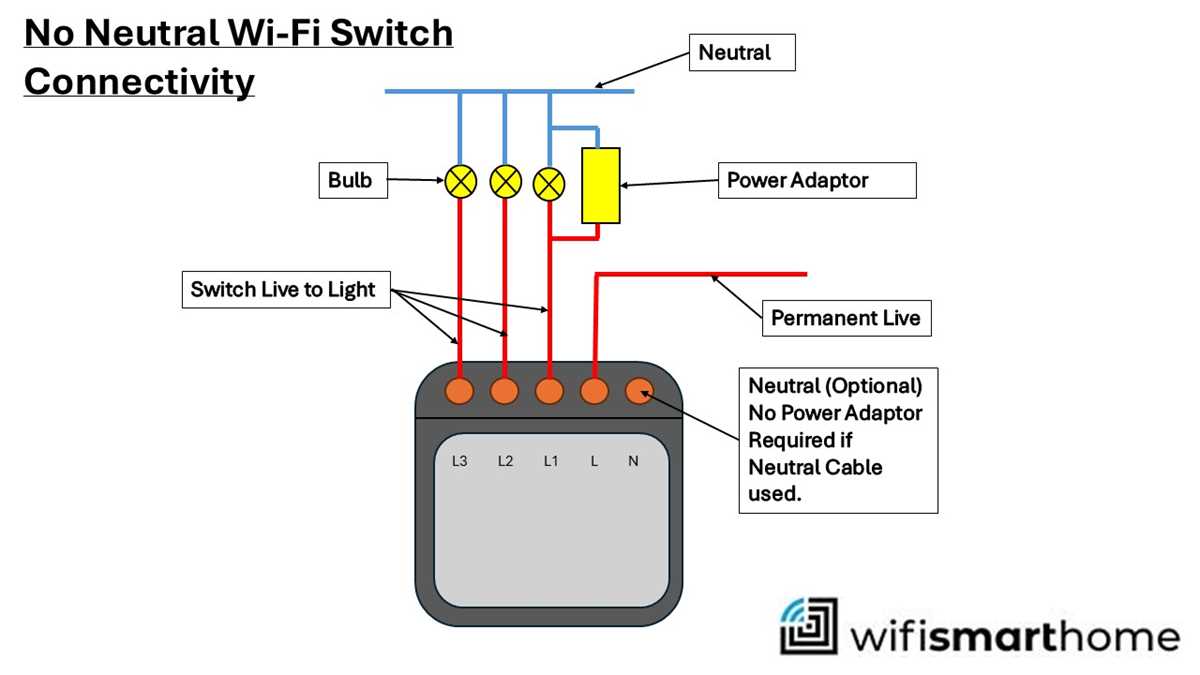
Ensure all return paths are identified with accurate color coding to prevent backfeed and minimize the risk of accidental shorts. Use copper conductors rated for the load, and verify continuity before energizing the system.
Connect the return line directly to the bus bar designated for zero potential to maintain stable voltage levels. Avoid combining multiple circuits on a single terminal unless rated for combined load, as this can cause overheating and circuit imbalance.
Label each path clearly and test with a voltage detector to confirm proper potential distribution across all points. Incorporate circuit protection such as breakers or fuses adjacent to the connection for additional safety.
Maintain a separation distance from live feeders and route conductors along insulated trays or conduits. Regular inspection and tightening of terminal screws prevent voltage drops and ensure long-term reliability.
Complete Guide to Understanding Return Line Connections
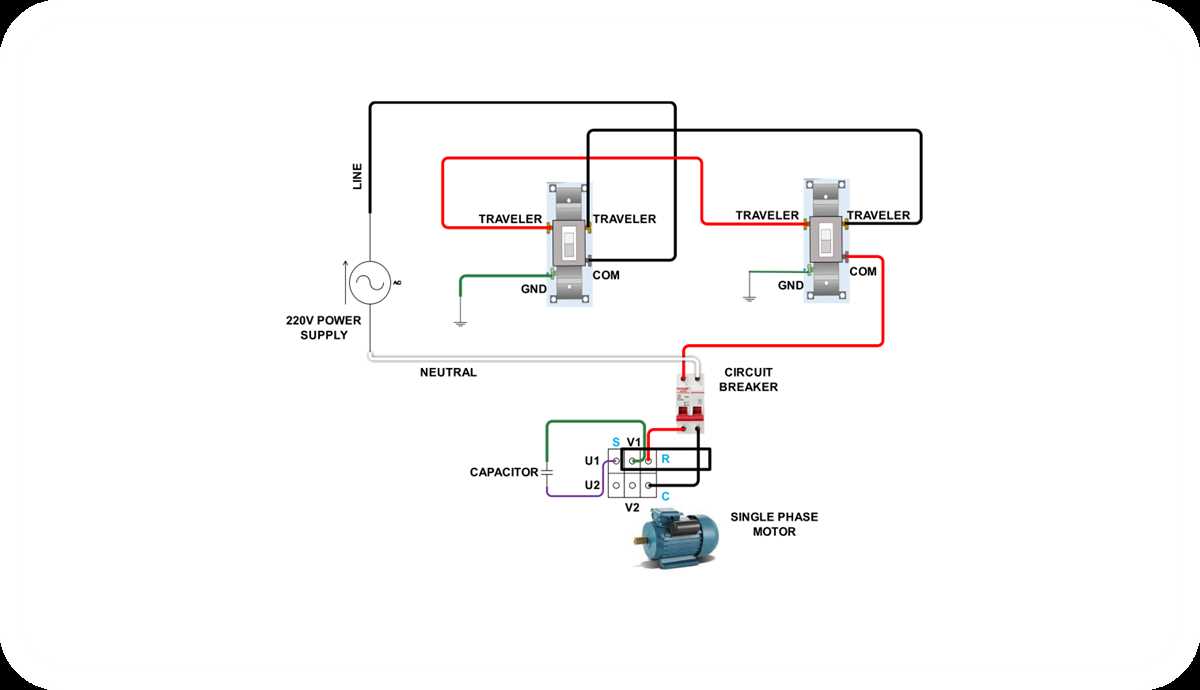
Connect the return conductor directly to the bus bar rated for zero potential, ensuring each terminal can handle the maximum amperage expected. Use insulated copper conductors with a cross-sectional area matching the load requirements to prevent overheating.
Separate return paths from live feeders by at least 50 mm in open panels or use insulated conduits. This prevents electromagnetic interference and reduces the risk of accidental short circuits between phases.
Label all return lines clearly using durable markers. Maintain a log of each terminal connection to track which load is fed by which path, simplifying troubleshooting and future upgrades.
Test each line for continuity and correct polarity before energizing. A voltage tester or multimeter can verify that no unintended potential exists along the return conductors, reducing the risk of backfeed.
Install fuses or miniature circuit breakers on each feeder adjacent to the return connection point. This provides immediate protection against overloads or short circuits and maintains system stability.
Route conductors along insulated trays or cable ducts, keeping bends gentle to avoid mechanical stress. Avoid sharp turns that could damage insulation and increase resistance along the return path.
Inspect terminal screws and connection points periodically, tightening any that may have loosened due to thermal expansion. Loose connections can cause voltage drops, sparks, or even localized heating, which may damage components.
Document all connections with updated schematics and photos. Clear records help maintenance personnel identify and isolate problems quickly and ensure compliance with electrical codes and safety standards.
Identifying Return Conductors and Their Roles in Electrical Systems
Always mark return conductors with clear color codes, typically white or gray, to distinguish them from live lines. This allows technicians to trace connections and ensures safe handling during installation or repairs.
Understand the function of each return path in completing the circuit. These conductors carry unbalanced current from loads back to the main distribution point, maintaining voltage stability across all phases.
Differentiate between grounded return lines and isolated return lines:
- Grounded return lines: Provide a reference potential and reduce the risk of overvoltage conditions.
- Isolated return lines: Carry load current without being tied directly to the main grounding system, often used in sensitive equipment.
Measure continuity and voltage drop along each conductor using a multimeter. High resistance may indicate loose connections, damaged insulation, or improperly sized conductors, all of which can affect performance.
Keep return paths physically separated from high-current or high-frequency lines to prevent interference. Route them along insulated trays or conduits and avoid crossing over active bus bars whenever possible.
Document each connection with updated schematics and terminal logs. Include the type of load connected, expected current, and any protection devices installed along the return path to simplify future maintenance.
Inspect and maintain return terminals periodically. Tighten screws, check for corrosion, and replace worn connectors. Proper care prevents overheating, sparks, and potential system failures, ensuring continuous safe operation.