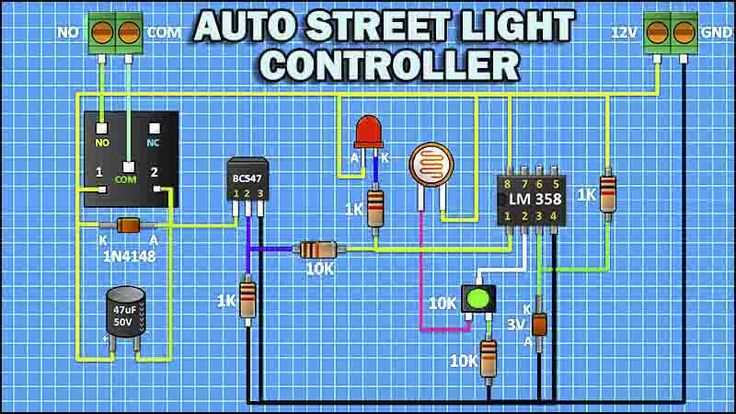
Connect the photocell sensor directly to the main AC supply using properly rated wires. Ensure the sensor is oriented to receive maximum ambient light without obstruction to achieve accurate dusk-to-dawn operation.
Integrate a relay with adequate voltage and current ratings between the sensor and the lamp load. This prevents overloading the sensor and provides stable switching for multiple fixtures simultaneously.
Test the system at twilight before finalizing the installation. Measure voltage across the lamp terminals and observe the response time to light changes, ensuring the sensor triggers and cuts off the load reliably every night.
Complete Guide to Installing and Operating Sensor-Controlled Outdoor Illumination Systems
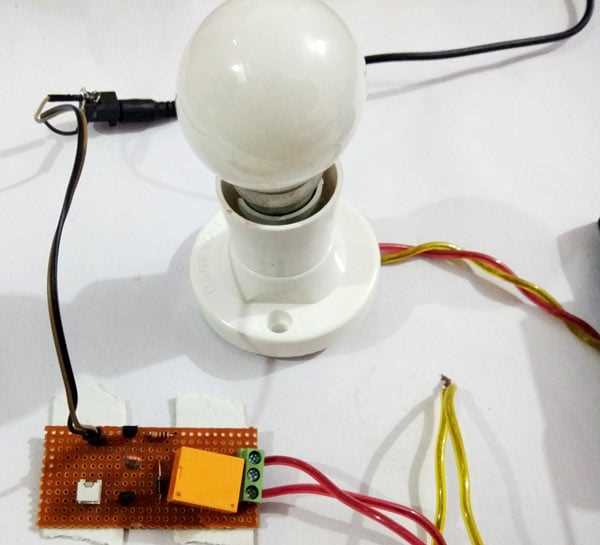
Mount the photocell sensor at a height with unobstructed exposure to ambient conditions. Ensure it is angled away from artificial light sources to prevent false triggering during night hours.
Use appropriately rated cables and connectors to link the sensor to the main power supply and the lamp load. Insulate all exposed connections with heat-shrink tubing or electrical tape to prevent moisture ingress and short circuits.
Integrating Relays and Timers
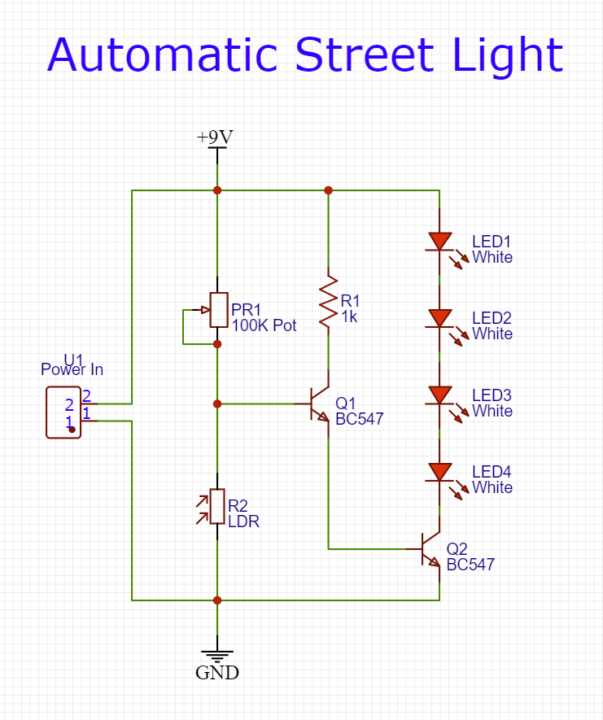
Install a relay with suitable voltage and current ratings between the sensor and the lamp. This allows the system to switch multiple fixtures simultaneously and reduces the risk of sensor overload, ensuring long-term reliability.
Add timing controls if required to adjust the duration lamps remain illuminated. Set timers according to seasonal changes in daylight to maintain consistent operation throughout the year.
Perform a functional test at dusk before finalizing the setup. Monitor voltage at lamp terminals, verify the sensor responds accurately to ambient light changes, and confirm the relay switches cleanly without sparks or overheating.
Connecting Light Sensors and Power Supply Safely
Attach the photosensitive module to a secure mounting point at least 3 meters above ground level to avoid shadows from nearby structures. Use corrosion-resistant brackets and fasteners to ensure long-term stability in outdoor conditions.
Run insulated conductors from the main AC source to the sensor terminals and check for proper polarity. Use color-coded wires to differentiate live, neutral, and ground connections to reduce the risk of miswiring during installation.
Using Protective Devices
Install a dedicated fuse or miniature circuit breaker between the main supply and the sensor. Choose a rating slightly above the sensor’s operating current to protect the module from short circuits and transient surges.
Include a surge suppressor if the installation is in a lightning-prone area. Connect it parallel to the sensor input to divert high-voltage spikes and prevent permanent damage to the control module.
Final Connection and Testing
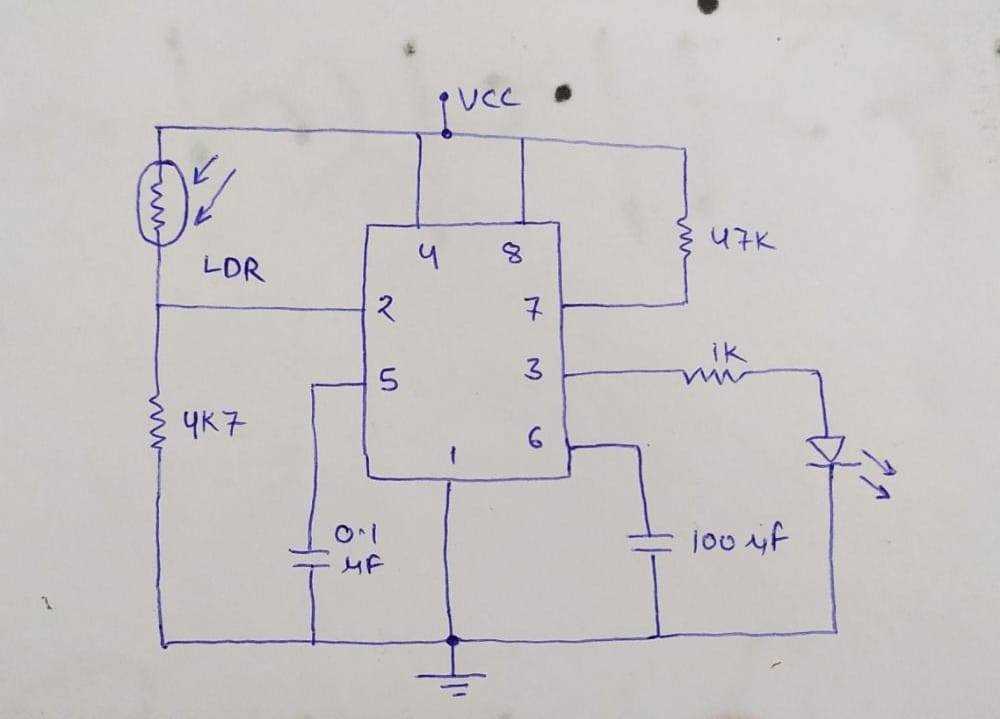
Verify all terminal screws are tightened and no bare wire is exposed. Apply power and observe sensor activation at dusk, ensuring the module triggers the lamp load without flickering or delay, confirming safe and reliable operation.
Document the installation details including wire sizes, terminal markings, and protection devices. This facilitates future maintenance and ensures the system can be safely serviced without confusion or risk of electric shock.