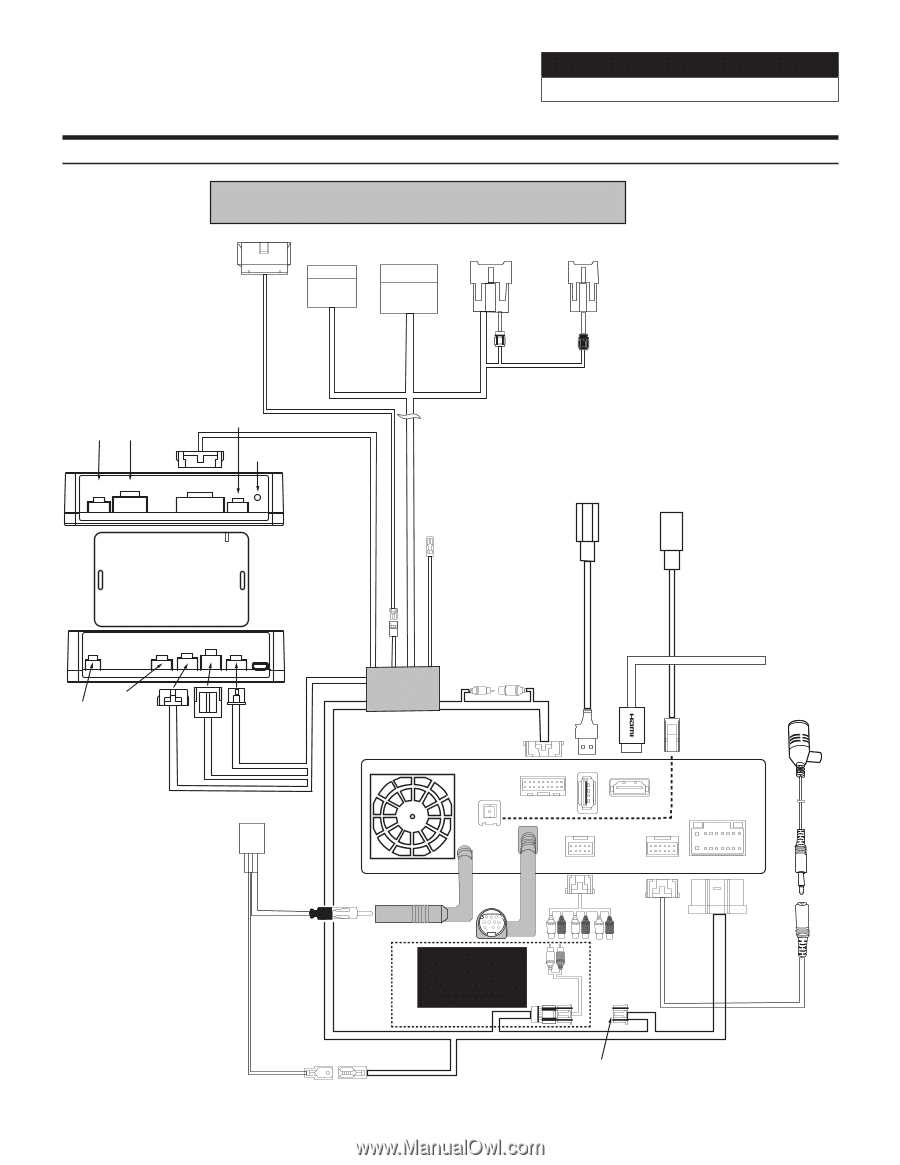
Verify power distribution points before connecting head units and amplifiers. Use a multimeter to confirm voltage levels at each terminal, ensuring consistent performance and avoiding potential short circuits. A dedicated fuse near the battery can prevent damage during surges.
Label each conductor according to function: signal, ground, or accessory. Color-coding and tags reduce errors during installation and simplify future troubleshooting. Maintain clear separation between signal lines and high-current cables to prevent interference.
Follow manufacturer schematics for speaker terminals and preamp outputs. Misaligned connections can degrade sound quality or cause equipment failure. Double-check polarity to maintain phase integrity across multiple channels.
Secure connectors and terminals using insulated crimps or locking plugs. Loose connections lead to intermittent audio loss and voltage drops. Route cables along the vehicle frame, avoiding heat sources and moving parts for longevity and reliability.
Test each stage individually. Power on the system incrementally, monitoring for abnormal heat or unexpected signals. Adjust gain levels and crossovers gradually to match speaker ratings and prevent clipping or distortion.
Alpine Wiring Diagram
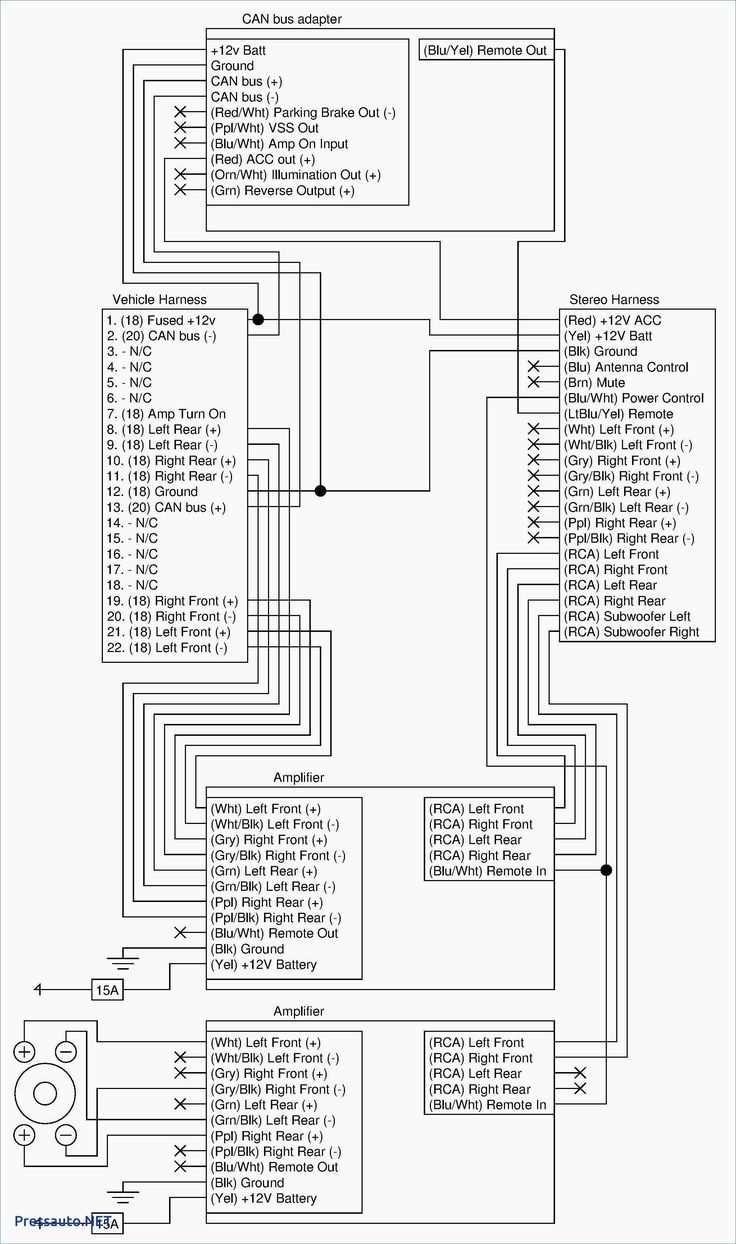
Connect the main power lead directly to the battery with a 20A fuse positioned within 18 inches of the positive terminal. Route the ground wire to a bare metal point on the chassis, avoiding paint or rust. For signal transmission, use shielded RCA cables, keeping them at least 12 inches away from high-current lines to prevent interference. If integrating a subwoofer, ensure the remote turn-on wire is connected to the head unit’s accessory output, not the constant 12V supply.
Follow this sequence for component links:
- Head unit output → preamp inputs on the amplifier
- Amplifier speaker outputs → speaker terminals
- High-level inputs (if used) → speaker outputs from the factory radio
- Fuses → installed on both positive supply and in-line with any inline power connections
Double-check polarity on all speaker connections to prevent phase cancellation. Label each connection during installation to simplify troubleshooting later. For multi-channel setups, separate the front and rear signal paths and avoid crossing them over the power distribution block. Secure all cables using zip ties or clamps to reduce vibration and wear over time.
Mapping Power, Ground, and Remote Turn-On Wires for Alpine Units

Connect the red lead directly to a fused 12V source. Use a 10-amp inline fuse for head units under 15 amps, and 20-amp for larger amplifiers. Ensure the connection is tight and corrosion-free by stripping the wire to bare copper and using a crimp connector.
Locate a solid chassis point for the black ground cable. Avoid painted or coated surfaces; sand the contact area to bare metal before fastening with a star washer and bolt. A poor ground can cause noise or intermittent operation.
For remote turn-on, the blue/white wire must link to the accessory trigger of the radio or preamp output. Verify that the trigger provides 12V only when the unit is active. Use a multimeter to confirm voltage before connecting the amplifier or powered subwoofer.
Wire Routing Strategies
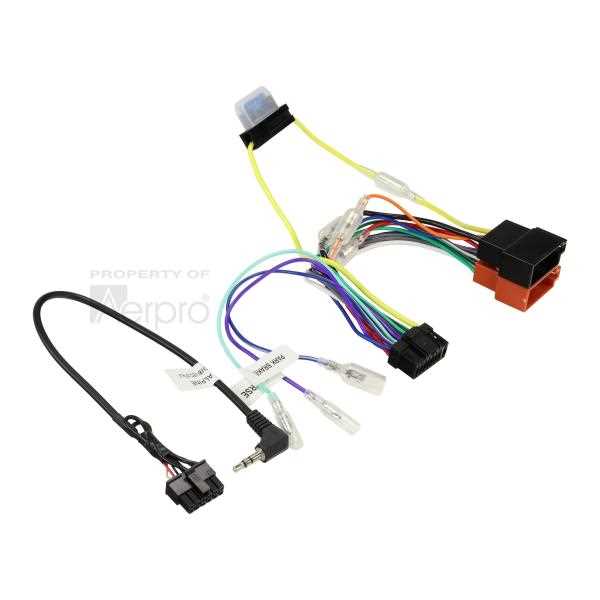
Separate signal cables from high-current leads by at least six inches to minimize interference. Run power and ground alongside each other in short, direct paths whenever possible. Avoid looping around metal structures to reduce inductive noise.
Secure all leads with zip ties or clamps, leaving slight slack to prevent stress at the connection points. Route cables along factory harness paths when available. Ensure no pinching occurs behind panels or under seats.
Test each connection individually before final assembly. Check that the unit powers up correctly, the amplifier turns on with the trigger, and no voltage drop exists at the head unit or subwoofer terminals. Address any flicker or hum immediately by revisiting grounds and fuses.
Label all leads with colored heat-shrink or tags for future reference. Documenting the red, black, and remote trigger wires prevents mistakes during upgrades or troubleshooting. Maintain access to fuse locations without dismantling panels.