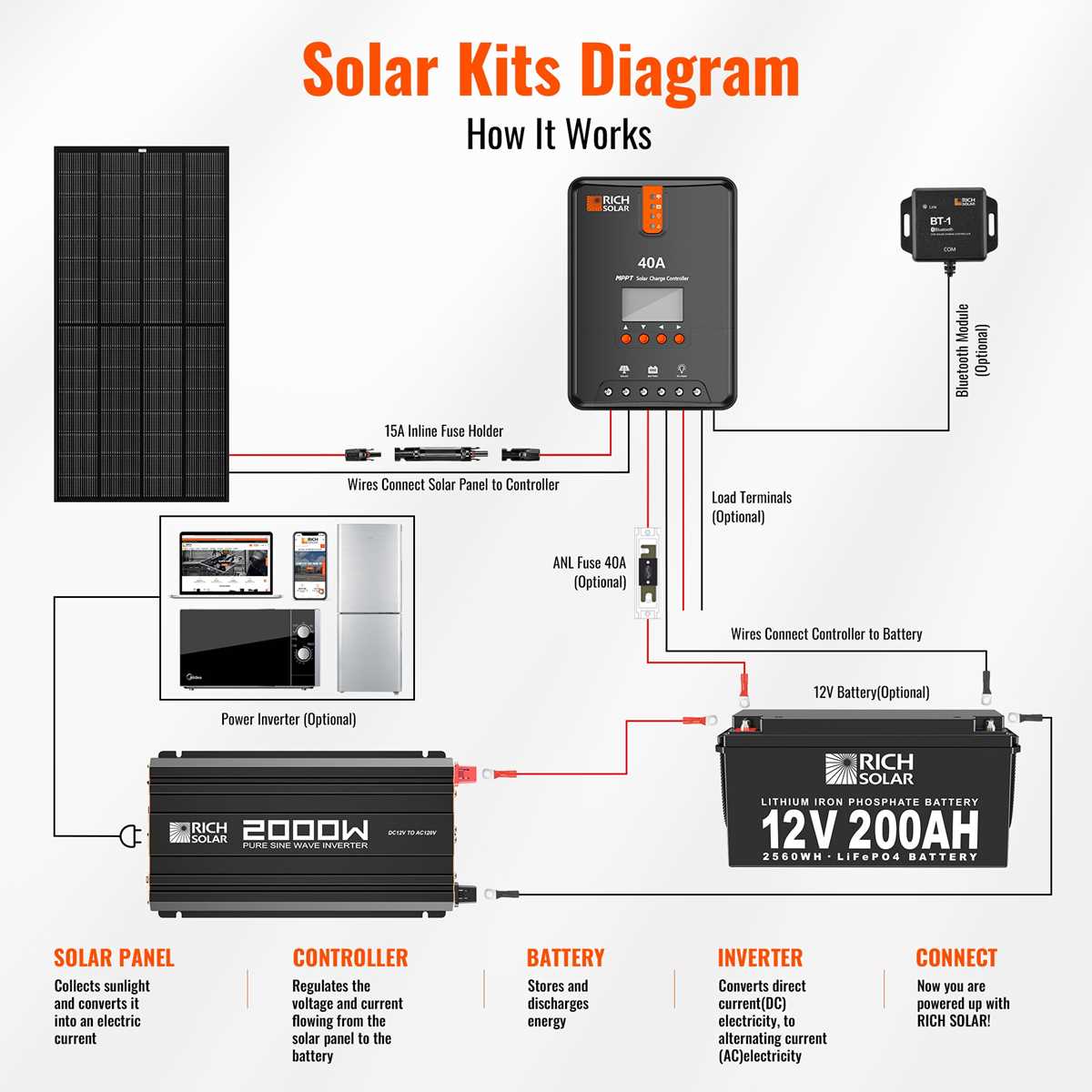
Use high-quality MOSFETs rated for at least 50 amps to handle heavy loads without overheating. Ensure each transistor has proper heat sinks and thermal paste to maintain stable operation during prolonged use.
Select a transformer with sufficient voltage and current capacity to match the expected load. A 12V DC input converted to 220V AC output requires precise winding ratios to avoid overvoltage or low efficiency.
Include large electrolytic capacitors near the input stage to smooth voltage fluctuations. Capacitor banks rated at 10000 µF or higher will stabilize input voltage and reduce ripple, protecting sensitive components.
Test the assembled system with a low-resistance dummy load before connecting actual appliances. Measure output voltage and waveform quality to confirm stability and identify potential short circuits or loose connections.
Complete Instructions for Building a High Capacity Electrical Converter
Select high-current MOSFETs with ratings above 50 amps to handle the load without thermal stress. Attach aluminum heat sinks and apply thermal paste to prevent overheating during continuous operation.
Use a transformer matched to your voltage and current requirements. For a 12V DC source converting to 220V AC output, maintain accurate winding ratios and insulation standards to avoid voltage spikes or efficiency loss.
Input Stage Preparation
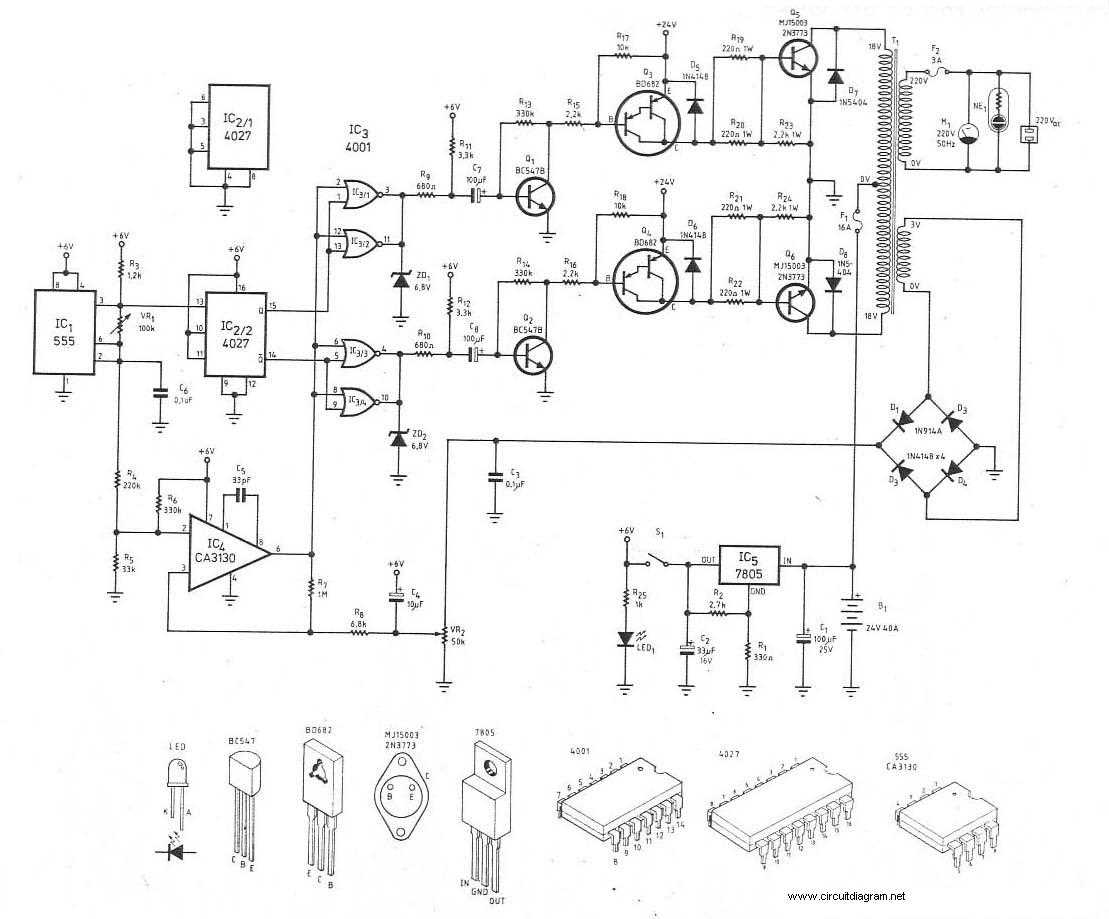
Install large electrolytic capacitors near the input terminals to smooth voltage fluctuations. Capacitor values of 10000 µF or more stabilize DC supply and reduce ripple that could damage semiconductors.
- Connect positive and negative rails securely to prevent shorts.
- Use thick copper wires rated above 20 amps.
- Place fuses inline for added protection.
Output Assembly and Connections
Wire the transformer secondary to an AC output bus using heat-resistant cables. Ensure terminals are insulated, and use mechanical clamps to maintain solid contact under high load conditions.
Test with a resistive dummy load first to verify voltage and waveform stability. Measure both RMS voltage and frequency to confirm the converter meets target specifications before connecting sensitive devices.
- Check all solder joints for cold spots.
- Verify MOSFET gate resistances and driver signals.
- Confirm grounding continuity across chassis and components.
Selecting Components and Power Ratings for a High Capacity Converter
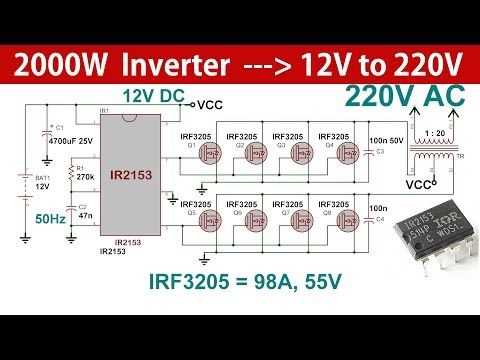
Choose MOSFETs with current ratings above 50 amps and voltage tolerance at least 30% higher than the supply. Ensure the gate threshold voltage is compatible with the driver IC to achieve full switching without overheating.
Select a transformer with primary and secondary windings matched to input and output voltage requirements. Use high-grade insulation and maintain proper spacing between coils to prevent shorting under load.
Capacitors should have low ESR and high voltage rating to handle surge currents. Electrolytic or polymer types of 10000 µF or higher near the DC input will reduce ripple and provide stable operation for connected devices.
Resistors, diodes, and driver ICs must match the expected current and voltage demands. Verify heat dissipation and consider adding heatsinks or cooling fans where necessary to maintain safe operating temperatures.