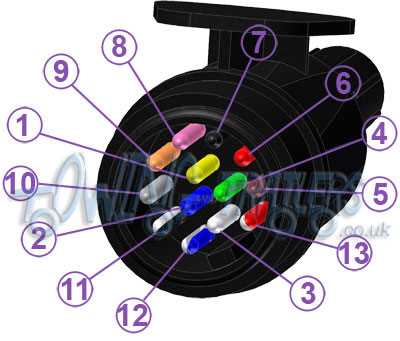
Identify each lead before making connections. Typically, two carry power for lights, one serves as a ground, one handles electric brakes, and two manage turn and running signals. Confirm functions with a multimeter before attachment.
Use proper terminals and secure connections to prevent loose contacts that could cause flickering lights or brake malfunction. Tighten screws firmly without stripping threads for stable performance.
Route each lead carefully along the frame to avoid chafing against metal edges. Bundling with clips or zip ties keeps connections organized and reduces the risk of shorts.
Test each system separately before full operation. Verify brake actuation, signal lights, and running lights independently. Correct any abnormal voltage readings or non-functional lights before hitting the road.
Six Lead Towing Connection Guide
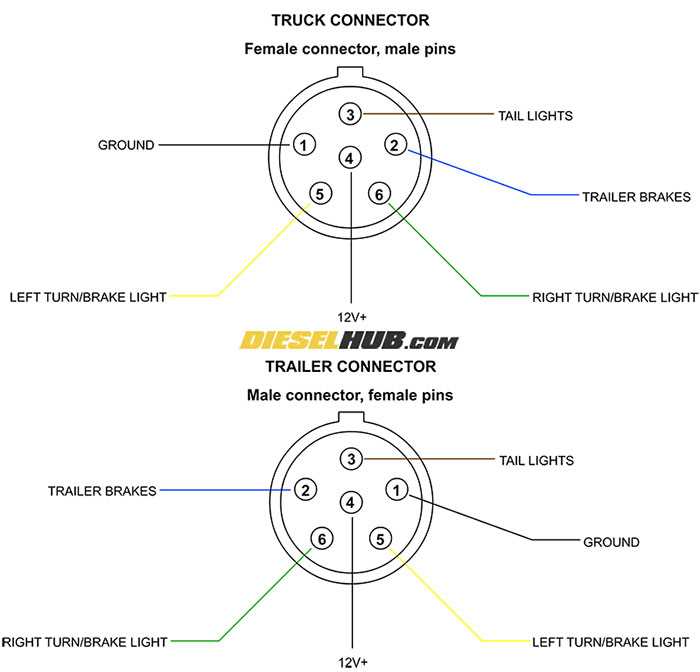
Begin by identifying each conductor. Two leads carry voltage for running lights, one serves as ground, one activates electric brakes, and the remaining two handle turn signals. Confirm each function with a multimeter before installation.
Attach power leads to the corresponding terminals. Ensure screws are tight but avoid stripping threads, as loose connections can cause flickering lights or intermittent brake operation.
Connect the neutral lead directly to the vehicle chassis or designated grounding point. This ensures proper current return and prevents electrical faults that could damage lights or brake circuits.
Route signal conductors carefully along the frame to prevent chafing against sharp edges. Use clips or cable ties to secure leads and maintain organized paths that reduce the risk of shorts.
Check polarity for each lead before final tightening. Incorrect connections can reverse turn signals or prevent brakes from activating properly. Use a test light to verify correct operation before securing terminals.
Test each system individually. Activate brakes, turn signals, and running lights separately to confirm that each circuit functions correctly and independently of the others.
Inspect insulation along all leads. Replace any frayed or damaged insulation to prevent short circuits and ensure long-term reliability of the electrical setup.
After installation, perform a final voltage check across all leads while operating lights and brakes. Ensure steady readings and no signs of voltage drops, indicating a safe and reliable connection ready for use.
Identifying Each Lead and Its Role
Use a multimeter to verify each connection. Two conductors deliver power to running lights, one completes the ground path, one engages electric brakes, and two manage turn signals. Confirm each function before making attachments.
Follow color codes or labels when present:
- Red and black for power to lights
- White for neutral or return path
- Green or bare for grounding
- Blue for electric brake activation
- Yellow and brown for left and right turn signals
Trace each lead from the connector to its terminal to prevent misidentification. Test voltage or continuity for confirmation, and mark ambiguous leads with tape to avoid mistakes during assembly and future maintenance.